
Managing Swelling and Bruising After a Facelift
If you have scheduled a facelift at Dr. Mark Plastic Surgery or are considering the procedure, you might wonder what recovery will look like. Many patients feel both excitement and concern about the healing process, particularly when it comes to swelling and bruising.
It is completely normal to see some swelling or bruising after facial rejuvenation. With the right guidance, you can navigate your recovery with greater comfort and confidence. In the following sections, we will explain everything you need to know about managing swelling and bruising after a facelift.
Key Takeaways
What Causes Swelling and Bruising After a Facelift?
Swelling and bruising following a facelift are common responses to the surgical process. These reactions occur as your body works to heal the underlying tissues.
When performing a facelift, surgeons reposition skin and tissue to create a rejuvenated look. This process naturally disrupts small blood vessels and may cause minor bleeding under the skin.
Swelling results from fluid collecting in the tissues as part of your immune response. Although these effects are an expected part of the recovery, the following sections will explain how you can minimize them.
The Normal Healing Timeline
Every facelift journey is unique, so swelling and bruising resolve at different rates for each person. There are, however, some typical stages you can expect during recovery.
Week One
In the first week, bruising and swelling are usually at their most noticeable. You might experience tightness, mild discomfort, or a sensation of fullness. Elevating your head, using cold compresses, and following post-operative instructions are crucial during this time. Keep in mind that this stage tends to resolve quickly with proper care.
Week Two
Swelling and bruising often begin to subside during the second week. Some yellowish discoloration may remain as the body metabolizes the bruise. While most patients can resume gentle movement, it is essential to avoid heavy lifting and strenuous exercise after a facelift during your week 2 recovery.
Weeks Three and Beyond
Lingering swelling usually becomes subtle. At this point, most people can comfortably return to work and social activities with the use of light makeup if needed. Minor residual swelling may persist for several weeks but will gradually fade, revealing your refreshed appearance.
Factors That Can Impact Swelling and Bruising
Multiple variables can affect the degree and duration of swelling and bruising after surgery. Each person’s experience will reflect a combination of these factors.
Your Personal Health
Your unique health profile has a significant impact on healing. Age, skin quality, circulation, and whether you have any specific medical conditions all play a role. Good nutrition and staying hydrated also support better recovery.
Surgical Technique
Some facelift techniques are less invasive than others, involving smaller incisions or more targeted adjustments. The choice of technique may influence bruising and swelling. Our Scottsdale surgeons select surgical plans that align with your anatomy and goals, aiming to minimize trauma wherever possible.
Medications and Supplements
Certain medications and supplements may increase your risk of bleeding or slow down healing. These include blood-thinners, some herbal supplements, and anti-inflammatory drugs. It is essential to review your medication list with your surgery team before your procedure.
Activity Level and Aftercare
How you care for yourself during the recovery period makes a real difference. Resting, avoiding strenuous activity, and keeping your head elevated will reduce swelling. Following aftercare instructions from Dr. Mark Plastic Surgery closely increases the likelihood of a smooth recovery.
How to Prepare Before Surgery to Minimize Swelling and Bruising
The steps you take before your facelift can help reduce post-surgical discomfort and optimize your body’s healing response. Preparation sets the tone for the days and weeks that follow, helping you feel more at ease as you heal.
Consult With Your Provider
Well in advance, attend a comprehensive preoperative consultation with your surgery team. Share your full medical history and all medications or supplements you take. This allows your team to anticipate potential issues and gives you time to ask questions about the recovery process.
Medication Adjustments
You may need to pause some medications or supplements that increase bleeding or bruising. Always follow your surgeon’s instructions exactly when stopping or restarting any drug, as this helps you avoid unnecessary complications. You should also avoid alcohol and nicotine, which can impair healing.
Support at Home
Arrange for a responsible adult to drive you to and from surgery, and to stay with you for the first 24 to 48 hours. Set up a comfortable recovery space at home with pillows to prop up your head, clean linens, and easy access to water, snacks, and prescribed medications.
Skin Care and Nutrition
Prioritize gentle skincare and hydration in the weeks before your facelift. Eat a diet rich in vitamins and antioxidants to promote healing and maintain healthy tissues. Avoid aggressive facial treatments or sun exposure in the days leading up to surgery.
By preparing thoroughly, you lay the groundwork for a more comfortable experience and smoother recovery.
Step-by-Step Guide: Managing Swelling and Bruising After Your Facelift
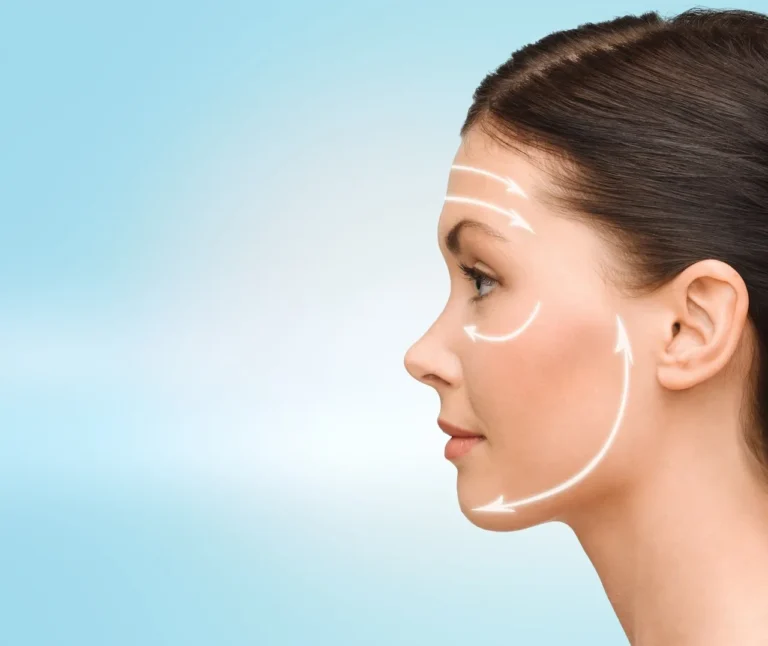
Adhering to a thoughtful aftercare routine can go a long way in controlling swelling and bruising. Use the following step-by-step recommendations to support optimal healing after your facelift.
The steps listed here are based on the protocols followed by most patients at Dr. Mark Plastic Surgery in Scottsdale.
- Keep Your Head Elevated: Rest and sleep with your head elevated on two or more pillows. This simple step helps drain fluid and reduces swelling during the first few weeks.
- Use Cold Compresses for the First 48 Hours: Apply soft cold packs or bags of frozen peas gently to the cheeks and jawline, 20 minutes on, 20 minutes off. Do not put ice directly on the skin, as this can cause injury.
- Follow All Medication Instructions: Take prescribed pain relievers and antibiotics as directed. Avoid over-the-counter anti-inflammatories or supplements unless cleared by your provider, as these can worsen bruising.
- Limit Activity and Avoid Bending Over: Take it easy for at least two weeks. Gentle walks are acceptable, but avoid bending, heavy lifting, or vigorous activity that could increase blood pressure to your face.
- Avoid Smoking and Alcohol: Both of these can impair circulation and delay healing. They also increase your risk of complications.
- Practice Good Wound Care: Keep incisions clean and dry, and follow all cleansing protocols outlined by your care team. Notify your surgeon if you notice excessive redness, discharge, or warmth at the incision site.
- Stay Hydrated and Nourished: Drink plenty of water and choose soft, nutrient-rich foods to fuel your recovery.
Sticking to these steps greatly improves comfort and results. If you have questions or uncertainties, always check with your surgeon for clear guidance.
What to Expect: Bruising Patterns and Swelling Locations
Being prepared for the visual changes after a facelift helps set realistic expectations. Each person’s pattern of swelling and bruising is a little different, but certain trends are common.
Where Bruising Mostly Appears
Bruising most commonly develops along the jawline, behind the ears, and in the cheeks. These areas are involved in most facelift techniques, which can disturb the underlying blood vessels temporarily. It is also possible to see bruising in the neck or upper chest, as gravity can allow small amounts of blood to settle below the treated areas.
What Swelling Looks and Feels Like
Swelling typically begins within a few hours after surgery and peaks at two to three days. Your face may feel full, heavy, or somewhat numb. Swelling can occur in the cheeks, around the mouth, under the chin, and sometimes under the eyes. The skin may appear taut, but this feeling gradually subsides over time.
Timeline for Resolution
Most bruising fades from deep purple or red to yellow or green within 10 to 14 days. Swelling resolves more gradually but steadily. Most patients find they are comfortable in public after two weeks, though full resolution can take several more weeks to months. Gentle lymphatic massage, if approved by your provider, may help accelerate this process.
Lifestyle and Home Remedies to Support Recovery
While professional guidance is crucial, certain at-home remedies can complement your medical aftercare routine. Incorporating healthy habits and gentle techniques will support your body’s natural healing ability.
Nutrition for Healing
A diet rich in lean proteins, leafy greens, and colorful fruits and vegetables provides the building blocks for collagen formation and tissue repair. Foods high in vitamin C and zinc enhance your immune system, while avoiding excess sugar and salt can prevent unnecessary fluid retention.
Mindful Movement
After a facelift, light movement such as gentle walks helps circulation without overtiring the body. Avoid any movement that increases facial strain, such as laughing excessively, chewing tough foods, or extreme facial expressions.
Mind-Body Relaxation
Stress can slow the healing process by raising your body’s inflammation level. Consider practices such as breathing exercises, meditation, or listening to calm music during the initial recovery days. Keeping spirits positive aids both your mental and physical well-being.
By focusing on overall wellness and following your doctor’s instructions, you can create ideal conditions for a smooth and rewarding recovery.

Signs That Require Prompt Medical Attention
While most swelling and bruising are expected parts of recovery, certain symptoms should be reported to your plastic surgeon immediately.
Red flags include:
- Significant increase in swelling or pain on one side
- Sudden onset of redness, warmth, or pus at the incision site
- Persistent fever over 101°F
- Difficulty breathing or swallowing
- Unusual changes in skin color beyond normal bruising
Reporting these symptoms early helps our Scottsdale team intervene, preventing complications and protecting your results. Always trust your instincts, so if something feels wrong, seek advice sooner rather than later.
What Not to Do After a Facelift
During your recovery, there are several activities and behaviors that you should avoid to ensure the best outcome.
Skipping Follow-Up Visits
Attending all scheduled visits with your surgeon at Dr. Mark Plastic Surgery is critical. Even if you feel well, regular monitoring helps address minor issues before they become significant.
Using Aspirin or Unapproved Supplements
Many over-the-counter medications and herbal products can thin the blood or interfere with the healing process. Always check with your care team before resuming any non-prescription supplements or pain relievers.
Exposing Your Face to Heat
Avoid saunas, hot tubs, hot showers, and direct sun exposure for several weeks after your procedure. Heat can increase swelling and may affect your incision sites.
By being mindful and cautious, you can avoid setbacks and promote excellent results.
Frequently Asked Questions About Swelling and Bruising After Facelift
Patients often arrive for surgery or recovery with predictable and understandable concerns. Here are clear answers to some of the most common questions.
Will I Look Worse Before I Look Better?
You may notice that swelling and bruising cause you to look less like yourself temporarily. This period is normal and temporary. The healing process quickly reveals more natural-looking results.
Can Makeup Conceal Bruising?
You can use non-comedogenic, gentle makeup to cover minor bruising after about 2 weeks. Always ask your provider for specific timing before starting any cosmetics.
Is it Okay to Ice My Face Every Day?
Gently icing the face during the first 48 hours after surgery reduces swelling. Do not use ice directly on your skin, and limit application to short intervals to avoid skin damage.
When Will the Final Results Show?
Most final contours appear within three months, though subtle refinements may continue for longer. Patience and reassurance from your care team make the time pass more comfortably.
Support for Your Journey: Healing With Confidence
Managing swelling and bruising after a facelift is one of the most common questions among patients at Dr. Mark Plastic Surgery. Understanding the typical healing process, and knowing which steps you can take at home, helps to put you in control of your recovery.
By preparing in advance, practicing careful aftercare, prioritizing healthy routines, and staying in touch with your surgical team, most patients achieve an easy and satisfying outcome. Remember that each person’s healing experience is unique and that temporary changes are a sign your body is working to regenerate and renew itself.
If you have questions about post-facelift care or are ready to explore your options for facial rejuvenation, reach out to our warm, knowledgeable team at Dr. Mark Plastic Surgery in Scottsdale. We are here to support you on every step of your journey, from initial consultation to your final, beautiful results.