
Understanding Breast Lift Scars and Healing
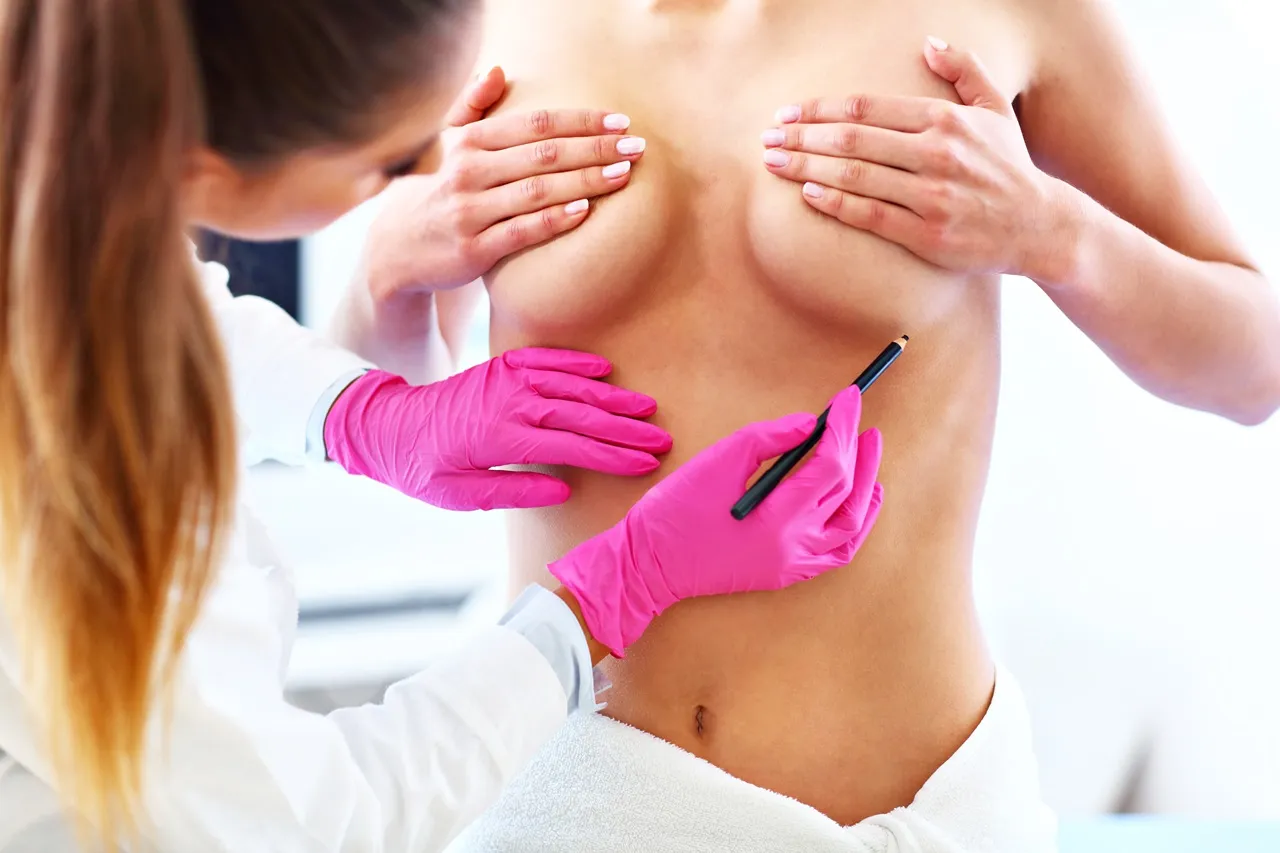
Considering breast lift surgery opens up many questions, and one of the most common concerns patients share with us involves scarring. At Dr. Mark Plastic Surgery, we understand that envisioning the recovery process and results goes beyond the benefits, and you want clear facts about what to expect regarding scars.
Breast lift scars are a natural result of the surgical process, yet they can often be managed with thoughtful planning and aftercare. Our goal is to give you a detailed, accessible overview of how scars form, what influences their appearance, and how to care for them over time.
Let’s move through everything you should know about breast lift scars so you feel genuinely prepared.
Key Takeaways
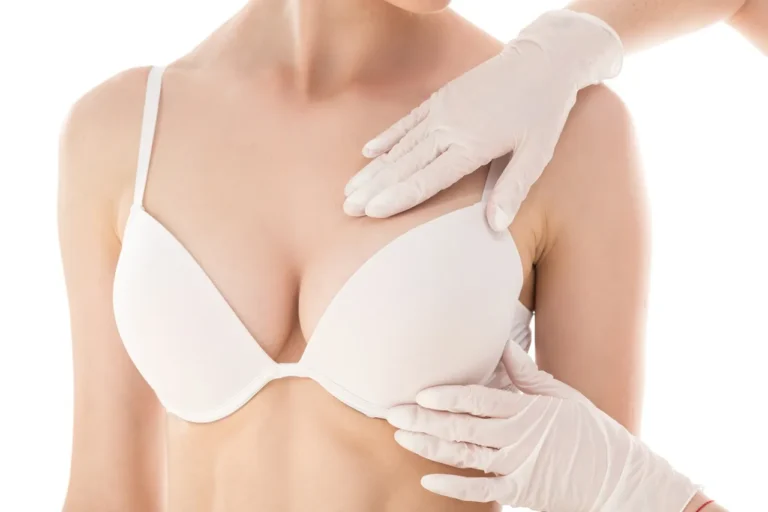
Understanding Breast Lift Scars
Every breast lift procedure leaves some form of scar, given that incisions must be made to reshape and lift the breast tissue. However, scars are often smaller and less conspicuous than patients first imagine.
Our surgeon always strives for the best possible cosmetic outcome by placing incisions as discreetly as possible to support both healing and confidence over time.
The Nature of Surgical Scarring
A scar forms as your body’s natural response to replacing lost or damaged skin tissue after surgery. The skin repairs itself by generating new collagen fibers, which create the smooth or sometimes raised lines you see as scars.
The final appearance of a scar depends on many elements, including where the incision is, your unique skin biology, and how you care for the healing area.
Why Breast Lift Scars Occur
Surgical breast lifting involves the removal of excess skin and the repositioning of tissue for a more elevated shape. As a result, our surgical team must make incisions, which will leave behind visible lines even with advanced closure techniques.
Although no technique eliminates scarring completely, our doctor always tries to keep incisions as minimal and concealed as possible.
Common Types of Breast Lift Scars
Our practice uses several established breast lift techniques, each leaving a distinct pattern of scarring. The placement, size, and visibility of scars differ based on the method selected for your body and goals.
The Lollipop Scar (Vertical Pattern)
This pattern includes a circular incision around the areola and a vertical line extending downward to the breast crease. The resulting scar resembles a lollipop or keyhole. This style provides effective lift and reshaping while limiting scar length compared to more extensive patterns.
The Anchor Scar (Inverted-T or Wise Pattern)
For patients who need a significant degree of lift and reshaping, our surgeon may use the anchor pattern. This technique involves an incision around the areola, a vertical incision to the crease, and a horizontal incision along the base of the breast. The resulting anchor-shaped scar covers more area, which helps with more dramatic reshaping.
However, the scar is usually well-hidden under most bras and swimwear.
The Donut Scar (Periareolar Pattern)
The donut or periareolar pattern uses a single incision around the edge of the areola. This technique is best for patients requiring a modest amount of lift and helps limit scarring just to the border of the areola, where the color difference often camouflages the scar line.
Factors That Influence Scar Appearance
Several factors determine how breast lift scars will appear and mature after your procedure. Our Scottsdale office often discusses these elements during your consultation so you can make choices that support the best long-term cosmetic result.
Genetics and Skin Type
Everyone’s skin heals differently. If you tend to scar more easily or develop raised or pigmented scars from past injuries, this pattern may repeat after breast lift surgery. While our surgeon crafts precise incisions to help optimize healing, your inherited skin characteristics play a prominent role in the healing journey.
Surgical Technique and Precision
Meticulous surgical technique is pivotal for minimizing scarring. When our doctor selects an incision pattern, handles tissue gently, and closes each layer with care, the resulting scars tend to be less visible over time. At Dr. Mark Plastic Surgery, we always employ layered closures to reduce skin tension and encourage flatter, narrower scars.
Aftercare and Lifestyle
The way you care for your incisions during recovery directly affects the final appearance of your scars. Keeping the area clean, protecting it from sun exposure, and following our instructions about topical treatments all support smoother, softer healing.

The Healing Process and Expectations
Scar evolution is a gradual process that spans months, not days. Knowing what to expect at each stage can help you approach recovery with realistic expectations and patience.
The Timeline of Breast Lift Scar Maturation
- Initial Weeks: Scars appear redder, more raised, and slightly firm as new collagen forms.
- Months 2–6: Scars soften, flatten, and begin fading in color, shifting from red to pink to pale.
- Months 6–12: Most breast lift scars fade noticeably and blend better with your skin, although some changes can continue well into the second year.
The journey from a fresh incision to a subtle scar takes time, but consistent care greatly improves results.
What to Watch For
Most scars heal as expected, though some patients experience thickening, prolonged redness, or darker pigmentation. Beyond the aesthetic appearance of the incisions, many women also ask how the internal healing process might affect their future plans to breastfeed after a breast lift.
If any raised, painful, or spreading scars occur, you should reach out to our practice for a follow-up appointment. Early intervention often leads to the best cosmetic result.
How to Support Optimal Scar Healing
Taking proactive steps during your recovery enhances scar healing and improves long-term aesthetics. Our team educates all breast lift patients on techniques for minimizing scars and gaining the best possible outcome.
Tips for Scar Care After Surgery
Adhering to aftercare instructions is critical for helping scars heal well and remain as inconspicuous as possible. We recommend several key habits and strategies:
- Consistent Cleansing: Gently cleaning incisions reduces the risk of infection, which can worsen scarring. Use only products we recommend during early healing.
- Moisturization: Applying specialized ointments or silicone-based products helps keep the skin hydrated and can soften scar tissue over time.
- Sun Protection: Direct sunlight darkens scars and increases contrast. Wear protective clothing or a high SPF mineral sunscreen on healed incisions for at least 12 months.
- Scar Massage: After full closure and initial healing, targeted massage, as demonstrated by our doctor, can encourage softer, flatter scars.
- Patience and Realism: It takes time for scars to fade. Trust the process and stay connected with our practice for follow-up care and suggestions.
By integrating these habits, you support the natural maturation of your breast lift scars.
Scar Treatment Options
For some patients, additional treatments can further improve the appearance of established scars. At our office, we offer both noninvasive and minor in-office therapies to address concerns.
Noninvasive Scar Management
Silicone sheeting and topical gels have proven effective for flattening and fading scars. These products work by supporting hydration and gently compressing the area, which helps the tissue remodel and smooth.
Procedures to Improve Scar Appearance
If a scar remains prominent beyond one year, we may recommend minimally invasive interventions. Steroid injections, laser treatments, or microneedling can help reduce thickness and even out pigmentation. Our doctors always assess the benefits and potential risks before recommending any treatment.
What Breast Lift Scars Actually Look Like
Many women worry that breast lift scars will be highly visible and detract from their confidence. However, with modern techniques and proper aftercare, most scars become subtle over time and are well-hidden under bras or swimsuits.
- Scar Location: Scars usually follow natural lines or fall under the breast to make them less visible in daily clothing.
- Scar Color: Scar color often blends with your surrounding skin as it matures, especially with careful sun avoidance and topical treatments.
- Scar Texture: Raised scars tend to flatten over time, and any lingering thickening can often be improved with expert care.
Understanding how scars fade and settle helps most patients feel more at ease throughout the recovery process.
Frequently Asked Questions About Breast Lift Scars
Patients from Scottsdale and beyond regularly bring up questions about scarring during their consultations. Here, we cover a few common concerns with clarity.
Tips for Emotional Well-being and Confidence
Learning to embrace changes from breast lift surgery, including new scars, can affect emotional health. Our doctors recognize the powerful relationship between body confidence and mental wellness, so we encourage self-care during recovery.
Give yourself time to adjust. It is normal to notice your scars more at first, but as the weeks pass and they fade, most patients find they become less of a focus. Stay connected to supportive friends, family, or patient communities if you wish to share your experiences.
Trust in your body’s healing process. Our surgical team remains available to answer questions and offer reassurance throughout your journey.
Why Choose Dr. Mark Plastic Surgery?
Embarking on breast lift surgery is a significant and exciting decision, and knowing what to expect about scars forms a crucial part of that journey. By understanding the realities of healing, scar appearance, and your aftercare role, you equip yourself with everything necessary to make a truly informed choice.
Our Scottsdale team welcomes your questions about breast lift scars or any other aspect of your personal goals. We are here to guide, educate, and support you at every step so you always feel empowered and confident.
If you are considering a breast lift and want individualized guidance about the possibilities and expectations for scarring, we invite you to reach out to Dr. Mark Plastic Surgery today. A private consultation with our surgeon can provide clarity and peace of mind as you look forward to your next steps.