
Breast Lift vs Breast Implants
When you feel dissatisfied with the appearance of your breasts, it can affect your confidence and self-image. Many women in Scottsdale seek out breast enhancement because they want to look and feel their best, yet they may be unsure which surgical route can create the aesthetic results they imagine.
At Dr. Mark Plastic Surgery, our patients often ask us about the differences between breast lift and breast implant procedures. You may wonder what results each surgery achieves, which option fits your needs, and how long you should expect to recover.
This article explains all the essential details, giving you the clarity you need as you consider your next steps.
Key Takeaways
Understanding Breast Lift and Breast Implants
When you consider cosmetic breast surgery, you may hear about both breast lift and breast implant procedures. While you might picture similar results, these surgeries serve different purposes. Understanding the differences helps you determine which option may align with your expectations.
What Is a Breast Lift?
A breast lift, also called mastopexy, raises and reshapes sagging breasts. This procedure removes excess skin and tightens surrounding tissue. As a result, the breasts sit higher on the chest and have a firmer, more youthful appearance.
You may choose this surgery after pregnancy, breastfeeding, or significant weight loss, or as part of aging. A breast lift can also reposition the nipple and areola, making them look more balanced and proportionate.
While many patients are concerned about their future breastfeeding ability after a lift, it is important to remember that this surgery focuses on the external skin and position; it does not significantly change breast size or create upper fullness.
What Are Breast Implants?
Breast implants are medical devices placed beneath breast tissue or the chest muscle. This surgery, known as breast augmentation, adds volume and enhances the breast’s shape and size. You might prefer implants if you want fuller breasts, wish to restore lost volume, or desire a curvier profile.
Implants come in different shapes, profiles, and materials, such as silicone or saline. Our surgeons select the appropriate implant to match your goals, body frame, and natural contours. Breast implants primarily increase size and do not address breast sagging or tissue laxity on their own.
Main Goals of Each Procedure
Different women choose breast surgery for different reasons. Below, we explain the unique aims and benefits of each option, helping you make an informed choice.
Why Choose a Breast Lift?
You should consider a breast lift if your main concerns involve shape, nipple placement, or breast droop. A lift can rejuvenate breasts that look deflated or flattened. If your nipples point downward or sit below your breast crease, you likely benefit from a lift.
Patients who are generally happy with their breast size but want a higher or more youthful position often choose this surgery. A mastopexy can also correct breast asymmetry that developed over time.
Why Choose Breast Implants?
Breast implant surgery appeals to women seeking significant enhancement in breast size or overall fullness. If you feel your breasts are too small, lost volume with age, or wish to balance your proportions, implants can provide a meaningful change.
Implants can also restore the breasts’ shape after pregnancy or weight loss if you notice deflation. This procedure is well suited for women whose nipples still sit above the breast crease and whose breasts retain skin elasticity.
How Breast Lift and Implants Work: Step-by-Step
Understanding the basic steps behind each procedure can help you feel more comfortable with your choice. While both surgeries use anesthesia, they differ in their technical approach.
Breast Lift: Surgical Steps
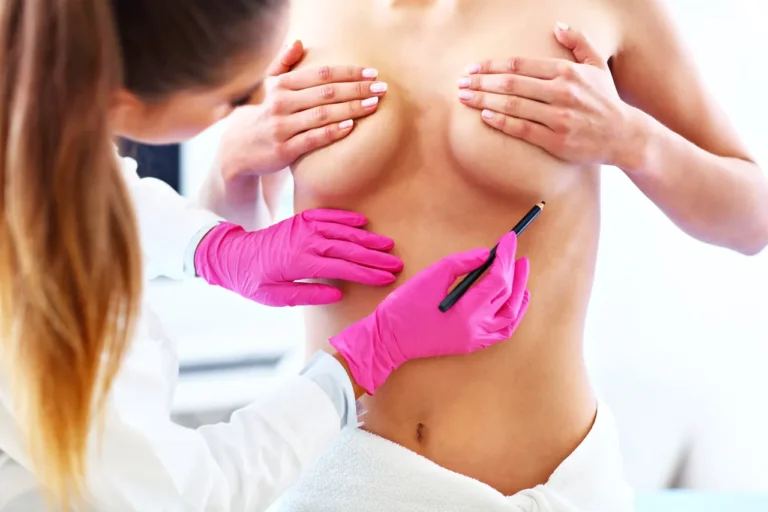
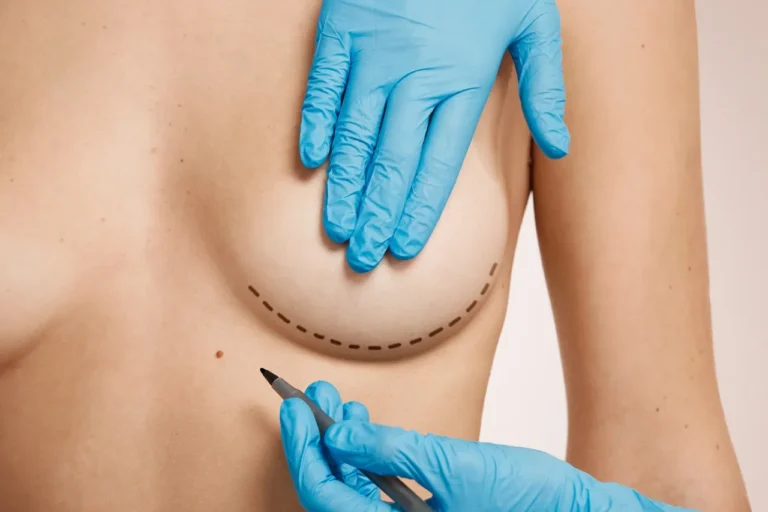
During a breast lift, your surgeon marks the new, higher position for the nipple and breast contours before you enter the operating room. Once you receive anesthesia, the surgeon makes incision lines according to your anatomy and goals.
Excess skin below the nipple is removed and underlying tissue is shaped for a rounder contour. The nipple and areola are moved to a higher location, preserving blood supply and sensation whenever possible. The incisions are closed with precise sutures to support natural healing.
Breast Implants: Surgical Steps
For breast augmentation, our surgeons help you select the ideal implant size, shape, and placement during your preoperative appointments. The day of surgery, your body is carefully marked to guide precise implant insertion.
The procedure uses a small incision either below the breast fold, around the areola, or within the armpit. After creating a pocket, the implant is placed either under the chest muscle or above it, depending on your needs. The incisions are closed in layers, with attention to both symmetry and scarring.
Combined Lift and Augmentation
Some women need both lifting and increased breast volume. In these cases, we can perform both procedures during the same surgery. This approach demands advanced surgical planning to ensure both elevation and fullness, while maintaining long-term outcomes and minimizing risks.
Incision Styles and Resulting Scars
You may feel concerned about breast lift scars. Knowing the incision patterns helps you understand how each procedure affects appearance and healing. Our surgeons aim to place incisions where they are least visible and heal most discreetly.
Common Incision Patterns
- Crescent Lift: A small, half-moon incision along the upper areola, typically for mild lifting.
- Peri-Areolar Lift: An incision circles the edge of the areola and is suited for minor elevation needs.
- Vertical or Lollipop Lift: This approach adds a line from the areola to the crease, allowing for more skin removal and reshaping.
- Anchor Lift: A key incision follows the areola edge, vertically to the crease, and within it; needed for advanced sagging and reshaping.
Breast implant incisions, in contrast, are generally short and hidden. Surgeons often place them in the breast crease, around the edge of the areola, or rarely within the armpit.
All incisions produce a scar, but we use meticulous closure techniques and scar management after surgery. Over time, scars typically fade and become less noticeable.
Benefits and Drawbacks of Each Procedure
Both breast lift and breast implant surgeries offer distinct advantages and possible limitations. Patients should consider these carefully, especially if they have expectations about results or recovery.
Breast Lift Benefits and Drawbacks
A breast lift delivers a youthful, perky contour and can correct downward nipples, flattening, and skin laxity. You do not need to commit to an implant or maintenance related to implant devices.
However, a lift alone does not increase volume, and you may experience a modest reduction in breast size. Scarring is more visible than with augmentation, and full upper pole fullness may not be achieved in every case.
Breast Implant Benefits and Drawbacks
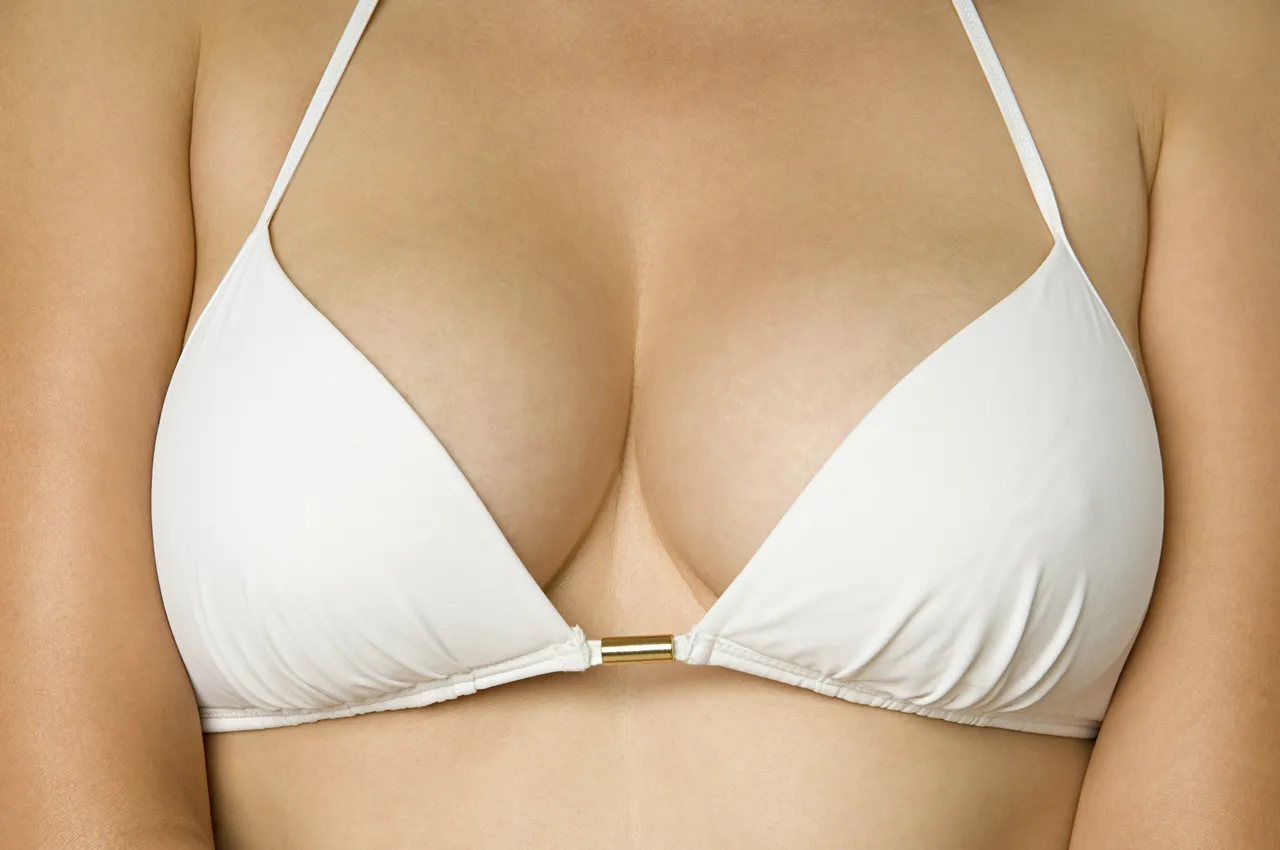
Breast implants create rounder, fuller breasts, along with improved cleavage for many women. The procedure can balance asymmetries and restore lost shape.
However, implants may eventually require future replacement or monitoring. Over time, there is a risk of capsular contracture or other implant-related complications. Implants alone do not correct significant sagging, so the results can look unnatural if the skin and tissue are lax.
Who Is a Good Candidate for Each Surgery?
Choosing between breast lift and implants begins with your anatomy and goals. At your consultation, we carefully assess your needs to recommend the best path forward.
Ideal Candidates for a Breast Lift
You likely benefit most from a breast lift if you notice significant drooping, an elongated shape, or nipples that sit below the natural crease. Your skin may feel loose or stretched, often after major weight changes or pregnancy. You should be at or near your ideal weight, have stable general health, and not seek a substantial increase in size.
Ideal Candidates for Breast Implants
Candidates for breast implants are usually happy with breast position, yet desire more volume or a curvier silhouette. Your nipples remain above the breast crease and your skin possesses enough elasticity to accommodate an implant. You should have realistic expectations and a strong commitment to your surgical outcome.
When a Combined Procedure Makes Sense
If your breasts lack both upper fullness and position, our surgeons may suggest combining a lift with an implant. This strategy helps women who lost both shape and volume, especially following pregnancy, breastfeeding, or significant weight loss.
Preparing for Surgery: What You Need to Know
Before either breast lift or breast implant surgery, you should understand what preparation involves. Careful planning helps ensure both safe results and smooth healing.
- Medical Evaluation: We will review your medical history, perform a physical assessment, and schedule preoperative tests as needed.
- Reviewing Medications: Some medications, supplements, or lifestyle habits can impact surgery or healing, so we advise on any necessary changes.
- Establishing Goals: You meet with our team to clarify your outcome goals and questions, ensuring we understand your vision for your results.
- Procedure Logistics: Scheduling, arranging for help at home, and preparing your recovery space all play a part in your preoperative plan.
- Smoking Cessation: We require that you quit nicotine products before and after surgery, as they affect both circulation and wound healing.
Preparation is not just about logistics. Clear expectations and thorough planning contribute to both confidence and satisfaction at every stage.
Recovery Timeline and What to Expect
The recovery processes for breast lifts and implants share similarities but also have important distinctions. Knowing what lies ahead can make your experience less stressful and more predictable.
Breast Lift Recovery
You can expect the initial healing phase to last one to two weeks. Mild to moderate swelling, bruising, and discomfort are normal. Most patients return to desk jobs after about one week, as long as you avoid heavy lifting. You will wear a soft support bra for four to six weeks, which supports tissue healing and improves your results.
Sutures are usually dissolvable, or we remove them during a brief follow-up visit. True swelling can take up to three months to resolve as your new breast shape settles. Long-term results continue to refine for as much as a year.
Breast Implant Recovery
Breast augmentation generally follows a similar timetable. Many women feel ready to return to light daily activity within a week. Swelling and sensitivity last for several weeks. You must avoid strenuous activity and upper body exercise for about four to six weeks.
A supportive bra without underwire helps minimize movement during healing. You see your final size and contour develop as the implants settle into position over two to four months.
Tips for a Smooth Recovery
- Follow Post-Op Instructions: Adhering to our guidance helps prevent complications and optimizes your results.
- Attend Follow-Ups: Office visits let us monitor healing and address concerns quickly.
- Prioritize Rest: Taking sufficient time off work and social activities promotes good healing and best results.
- Limit Physical Activity: Avoid heavy lifting or strenuous upper body movement. This protects the surgical area and implants (if present).
- Manage Discomfort Properly: Use prescribed and over-the-counter pain mediation, as directed, to remain comfortable.
Recovery varies by procedure, surgical technique, and individual healing. Always reach out to our team with questions or unexpected symptoms during the recovery period.
Longevity of Results and the Need for Revisions
One important factor to consider is how long you can expect your results to last and what future procedures might look like.
How Long Does a Breast Lift Last?
A mastopexy delivers meaningful, long-lasting improvement. However, no procedure can permanently stop natural aging or gravity’s effects. Weight changes, pregnancies, and time may gradually affect your results. Most women enjoy an enhanced breast contour for many years before needing further correction.
How Long Do Implants Last?
Breast implants are not lifetime devices, although most perform well for years. Manufacturers often suggest an average lifespan of 10 to 15 years, though some patients keep their implants much longer. Reasons for updating or replacing them include implant rupture, shifting, or cosmetic changes over time.
Monitoring and Maintenance
You should schedule routine check-ups to monitor your breast health and the integrity of your implants. This may include clinical exams and imaging studies, based on your medical history and implant type. Early detection of implant-related issues helps preserve your health and results.
Potential Risks and Safety Considerations
All surgical procedures include risks, and we encourage you to understand both common and rare complications associated with these surgeries.
- Bleeding or Hematoma: Blood may collect at the surgical site, sometimes requiring further treatment.
- Infection: Post-surgical infection, though uncommon, may call for antibiotics or rare revision.
- Scarring: Both procedures leave scars. Genetics, care, and technique all influence their appearance over time.
- Changes in Sensation: Temporary or permanent nipple or breast sensation changes can occur with either surgery.
- Implant Complications: With implants, risks include capsular contracture, implant rupture, or displacement.
We prioritize your safety by taking every precaution in the operating room and throughout aftercare. Our practice offers ongoing support and guidance as you heal.
Aesthetic Outcomes: What to Expect
You likely have a picture in mind of your ideal results. Every procedure achieves a slightly different look, and your starting anatomy shapes what is possible.
Breast lifts excel at lifting tissue, achieving perkiness, and producing a natural-looking youthful chest. Your own tissue forms the final result, so very full or round upper poles may not occur without implants.
Breast implants create increased size, roundness, and cleavage. Choice of implant profile and placement further shape the outcome, so results match your desires for fullness or subtle enhancement.
When a lift and implants are combined, you benefit from both elevation and enhanced volume, often with the most dramatic transformation.
Making the Decision: Choosing the Right Approach
Deciding between a breast lift, implants, or a combined approach can feel overwhelming. We recommend considering your reasons for surgery, your lifestyle, and your long-term expectations.
If you prioritize a youthful position with minimal increase in volume, lift alone may serve you best. If increased size and curves are more important, implants may be preferable. For a full transformation, many women select both methods.
Scheduling a consultation lets you ask questions, explore visual simulations, and receive a comprehensive surgical plan tailored to you.
Your Path to Confident Results at Dr. Mark Plastic Surgery
Choosing between a breast lift and breast implants is a highly personal decision, shaped by your anatomy, goals, and lifestyle. At Dr. Mark Plastic Surgery, our surgeon believes every patient deserves careful listening, honest guidance, and individualized treatment plans.
Whether you envision restored youthfulness, added fullness, or a combination of both, our Scottsdale team supports you at every stage— from the first consultation through long-term follow-up. Understanding the distinct purposes, benefits, and considerations of each procedure empowers you to take the next step confidently.
If you feel ready to explore your options for a breast lift or implants, we invite you to contact us at Dr. Mark Plastic Surgery. Our skilled team can answer your questions, discuss your goals in depth, and help create a personalized plan that brings your vision to life.