
Can You Breastfeed After a Breast Lift?

At Dr. Mark Plastic Surgery, many women wonder about the possibility of breastfeeding after a breast lift. This is a very common concern for those who want to enhance their breasts but have not yet completed their families.
Our team understands that health, beauty, and your ability to nurse your future children are deeply personal decisions. With guidance from our experienced surgeon and real-world outcomes, you can feel more confident about what to expect from breast lift surgery.
Now, we will guide you through what you should know about breastfeeding after a breast lift and help you determine the best path for your needs.
Key Takeaways

Understanding the Breast Lift Procedure
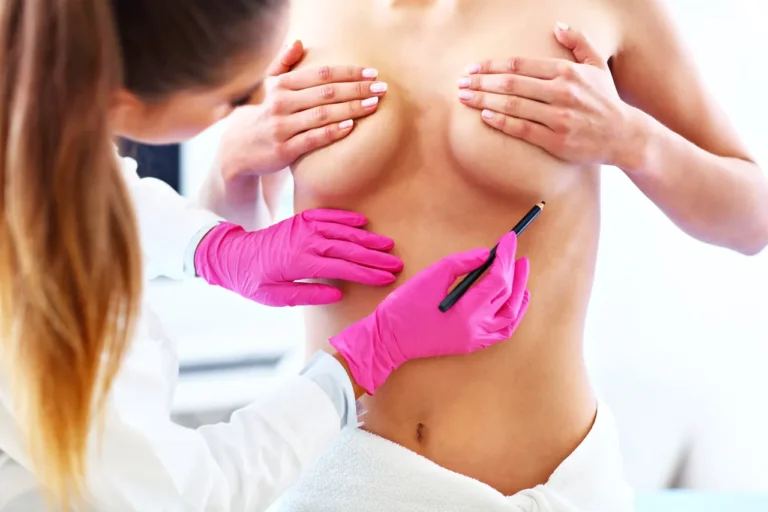
A breast lift, or mastopexy, reshapes and lifts sagging breasts for a more youthful contour. Our surgeon removes excess skin, repositions breast tissue, and lifts the nipple for improved projection and balance.
Common Breast Lift Techniques
Different surgical techniques can be used for breast lift surgery. Each technique may create different outcomes for breastfeeding later.
- Anchor (Inverted-T) Lift: This technique uses an incision around the areola, a vertical line down the breast, and a horizontal line along the breast fold. It is common for women to have significant sagging, but it involves more cutting through breast tissue.
- Lollipop Lift: The incision circles the areola and extends vertically to the crease. It can offer a dramatic lift with less tissue disruption than the anchor lift.
- Donut (Periareolar) Lift: This technique removes a ring of skin around the areola. It lifts with the least amount of incision and may disturb fewer milk ducts and nerves.
Our surgeon will select a technique that matches your anatomy and goals. The decision affects the impact the procedure may have on future breastfeeding.
How a Breast Lift Differs From Augmentation or Reduction
A breast lift repositions your own tissue, while augmentation uses implants and reduction removes significant breast tissue. Since a lift does not always remove ducts or glandular tissue, you may have a higher chance of breastfeeding after a breast lift compared to other surgeries.
However, all procedures may affect milk production if key ducts, glands, or nerves are altered. Our surgical team will discuss the differences during your consultations.
A breast lift can offer long-lasting improvement in contour and comfort, but awareness of how it affects lactation can play a key role in your planning.
How Breastfeeding Works
To appreciate the effects of surgery, it helps to understand how breastfeeding takes place in the body.
Milk production depends on glandular tissue, milk ducts, hormone signaling, and the nerves connecting the breast and nipple. Your breast anatomy develops during puberty, pregnancy, and nursing.
The central portion of the breast, especially the ducts leading to the areola and nipple, is most vital for transferring milk to your baby. Any process that disrupts these parts can affect breastfeeding.
Not all women have the same anatomy or milk supply before surgery. Pre-existing conditions may play just as large a role as any changes from a breast lift.
How a Breast Lift Can Affect Milk Production
Breast lift surgery reshapes the breast tissue and skin, but surgical details determine if and how the procedure may impact future nursing. The risk is not the same for every woman.
Factors That Affect Breastfeeding Ability After a Lift
Our surgeon takes care to preserve your ability to breastfeed whenever possible. The main factors to consider include:
- Incision Patterns: Incisions that pass through or near the areola can sometimes disturb nerves or ducts needed for milk transfer. Incisions placed away from the nipple may reduce this risk.
- Nipple Repositioning: Lifting the nipple while keeping it attached to breast tissue can protect vital structures. Surgical techniques that detach the nipple may carry a higher risk.
- Glandular Tissue Preservation: The more gland and duct structure left untouched, the greater the chance of successful lactation.
- Pre-surgical Breast Function: If you already have difficulty with milk supply or nursing, surgery may not solve those concerns.
Many women still breastfeed after mastopexy, but some do notice a change in sensation or lowered milk supply. Usually, a partial reduction in supply is more common than a complete loss of nursing ability.
Communication with your surgeon maximizes the chances of preserving glandular and ductal structures critical for nursing. Our Scottsdale surgeon addresses this thoughtfully at every step.
Breastfeeding Outcomes After Breast Lift: What To Expect
Many women wonder how likely it is to breastfeed after a breast lift. The answer depends on many factors, such as surgical technique, individual anatomy, and breast lift healing responses.
Typical Experiences for Patients
Women’s breastfeeding experiences after a lift vary, but some common outcomes include:
- Some patients nurse comfortably with a full milk supply.
- Others notice a lower supply in one or both breasts, but are still able to partially breastfeed.
- A small number are unable to initiate lactation or transfer milk.
It is helpful to remember that many factors, including pregnancy changes and genetics, influence lactation results just as much as surgery itself. At Dr. Mark Plastic Surgery, we set expectations early and support women regardless of their outcome.
Success Rates and Research
Clinical studies suggest that many women maintain lactation ability after a breast lift, especially when the nipple remains attached to the milk ducts and nerves. Some research shows partial breastfeeding success rates as high as 75 percent or more. However, individual results depend heavily on the details of both your anatomy and your operation.

Key Questions to Discuss With Your Surgeon
Before a breast lift at our practice, our doctor will ask about your future family plans and feeding preferences. This helps us select the best approach for your body and goals.
Important Topics to Cover in Your Consultation
Patients considering a lift should feel prepared to discuss the following points:
- Future pregnancy plans
- Current breastfeeding experience, if applicable
- Concerns about nipple sensitivity or milk supply
- Medical history affecting lactation
Our doctor will explain each step of the planned surgery and describe how these choices support your breastfeeding goals. With honest, open discussion, you can feel assured before going forward.
Tips for Maximizing Breastfeeding Success After a Breast Lift
While no surgeon can guarantee nursing success after breast surgery, several steps improve your chances of effective milk production. We recommend the following actions:
Steps to Take Before Surgery
Talking with your surgeon about your desire to breastfeed in the future is critical. Medical history, breast anatomy, and even your age may play a role in your outcome.
Our staff encourages you to ask questions and share your concerns long before the day of your planned operation. This creates a shared understanding and informs surgical choices.
After Surgery: Supportive Measures
Post-surgical support makes a big difference when you want to breastfeed successfully. We suggest:
- Promptly communicating any changes in sensation or concerns about recovery.
- Working with a lactation consultant when it is time to nurse, especially if supply issues occur.
- Monitoring for blocked ducts or inflammation, which can occasionally complicate feeding after breast surgery.
Some mothers benefit from additional breast stimulation and frequent breastfeeding sessions. Our surgical team and trusted local lactation experts support you every step of the way.
When to Consider Delaying a Breast Lift
Timing matters for patients with pregnancy plans. For some women, the choice to schedule a breast lift only after finishing having children makes sense. We help you review your personal priorities.
Reasons Women Delay a Breast Lift
Some of the most common reasons patients in Scottsdale decide to wait include:
- Breast Changes During Pregnancy: Pregnancy often changes the shape, size, and perkiness of breasts. Some women like to wait so they only need one lift procedure.
- Lactation Concerns: Delaying ensures there is no potential impact on breast or nipple function before planned nursing.
- Optimal Surgical Results: Waiting allows our surgeon to create a shape that takes post-pregnancy or post-breastfeeding changes into account.
Others choose surgery before children, especially when sagging is pronounced or causing discomfort. Our office helps you decide based on your lifestyle and preferences.
Misconceptions About Breastfeeding After a Breast Lift
Many myths surround breast lift surgery and nursing ability. We want patients to have accurate, up-to-date information before making decisions.
Top Misconceptions
A list of common myths follows, so you can separate fact from fiction about breastfeeding and breast surgery.
- Myth – All breast lift patients lose their ability to breastfeed: Many women retain partial or full ability to nurse after a lift, especially with careful surgical technique.
- Myth – The location of the incision does not matter: Incision placement can play a key role in preserving nerves and ducts critical for lactation.
- Myth – Milk supply always goes back to normal after surgery: While some mothers return to pre-surgery supply, others have reduced milk or altered sensation.
- Myth – Surgery will prevent any breast changes with future pregnancies: Pregnancy and nursing can still stretch skin and tissue, even after a breast lift.
Understanding these myths lets you make an informed choice. Discuss your concerns with our Scottsdale surgeon, who will clarify what is true for your individual case.
How We Protect Your Breastfeeding Potential
At Dr. Mark Plastic Surgery, our surgeon uses modern methods designed to protect your ability to nurse in the future. We prioritize breast health and function alongside appearance.
Steps Our Surgeon Takes During Mastopexy
We preserve as much glandular tissue, ductal structure, and nerve connection as possible. Careful incision placement minimizes unnecessary trauma. The nipple is almost always left attached to the underlying tissue, unless there is a specific medical reason not to do so.
We use meticulous surgical technique to keep critical milk ducts and nerves undisturbed. This helps minimize risk to breastfeeding success.
Our Patient Education and Post-Op Support
Our staff educates every patient about what to monitor after surgery. As you begin breastfeeding, we provide referrals for lactation support if needed. Open communication before and after surgery ensures you get the care you deserve.
Special Considerations for Different Patient Groups
Women thinking about a breast lift are not all the same. Each life stage can create unique considerations.
Women Who Never Nursed
For those who have not yet had children, our team establishes a detailed medical and breast function history. We also make sure you understand the possible outcomes related to future nursing.
Women With Previous Breastfeeding Experience
If you have already breastfed before, telling our surgeon about your past success or difficulty is vital. Your known ability to nurse helps predict future results after a breast lift.
Women Combining a Lift With Implants or Reduction
If you want to combine breast procedures, such as a lift with augmentation or reduction mammoplasty, the chance of breastfeeding success may change. Removing tissue or placing implants can carry extra risks for milk supply and nipple sensation. Talk to us about the technique that matches your goals and lets you make the most informed decision.
What To Do If Breastfeeding Is Difficult After Surgery
A small number of women notice difficulty breastfeeding after a breast lift. There are many resources to help you respond and find ways to feed your baby well.
When to Seek Help
Contact our office if you experience:
- Sharp pain, sudden loss of sensation, or worsening redness
- Trouble with milk let-down or output on one or both sides
- A sense that your baby is not getting enough milk
Supportive Resources and Next Steps
Early help from an experienced lactation consultant often makes a significant difference. These experts suggest changes in latching, timing, or breast care, which can improve comfort and supply.
With support from our surgeon and outside breastfeeding specialists, most mothers who experience initial trouble find a routine that works for them and their child.

Making Your Decision: What Matters Most
Choosing the right time for mastopexy means weighing your goals for comfort, appearance, and future family planning. While our surgeon strives to save your breastfeeding ability, no operation can promise identical results for every woman.
Open discussion of your wishes, medical history, and surgical priorities helps us deliver the safest and most satisfying results possible. At Dr. Mark Plastic Surgery, your overall health and long-term well-being always come first.
Planning for Both Beauty and Breastfeeding
Many women considering a breast lift at Dr. Mark Plastic Surgery want to know if they can still breastfeed. For most women, breastfeeding remains possible after a lift when the right technique is used and breast anatomy is preserved.
Planning ahead and discussing your hopes for the future with our surgical team are vital steps before moving forward. Clear, honest communication helps us choose the approach that protects both your appearance goals and your potential for nursing.
You deserve to feel confident and supported, no matter where you are on your journey. If you want to learn more about breast lifts and their effects on nursing, reach out to Dr. Mark Plastic Surgery for a caring, informative consultation. Our team is ready to guide you through your options and answer all your questions with compassion and expertise.