
How to Get Rid of a Seroma After a Tummy Tuck
Recovery after a tummy tuck can transform your confidence and comfort, yet some temporary challenges may arise. One of the more common issues after an abdominoplasty is the development of a seroma, an unexpected pocket of fluid beneath the skin that can slow down your recovery and raise concerns about your results.
Our surgical team understands just how important it is to address these bumps in the road early and correctly. Learning about seromas and their treatments can help set your mind at ease and empower you to move forward confidently with your healing journey.
Let us break down everything you need to know about handling seromas after tummy tuck surgery, so you can recover smoothly and safely.
Key Takeaways
What Is a Seroma After a Tummy Tuck?
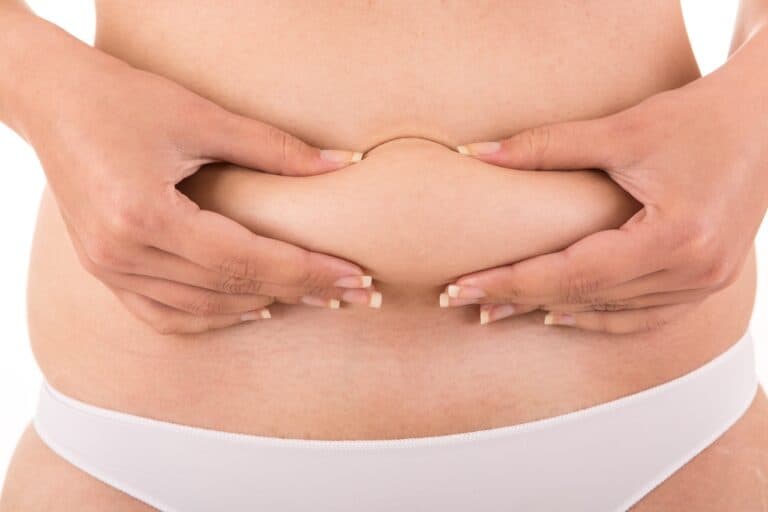
A seroma forms when clear, yellowish fluid builds up under your skin in the area where tissue has been removed or moved. After a tummy tuck, this area is especially prone to fluid collection because the separation of skin from the muscle layer disrupts your body’s natural drainage pathways.
We find that seromas can develop in the weeks following surgery, though some may appear even later in recovery. The fluid usually collects in a sac and feels soft or squishy under the skin, but it can sometimes be firmer or even tender. Most seromas are not dangerous if identified and treated early, but they can slow healing if ignored or improperly handled.
This condition, while unsettling, is considered one of the more frequent complications after abdominoplasty procedures, especially when drains have been removed early or when postoperative instructions have not been followed closely.
Causes and Risk Factors: Why Does a Seroma Form?
Understanding the main triggers behind seroma formation makes it easier to avoid or promptly address this problem. Our surgeons emphasize that several factors can raise your risk following a tummy tuck.
This is a particularly important consideration during a mommy makeover, where multiple procedures are performed simultaneously, increasing the total surface area of internal healing and the potential for fluid production.
Common Causes of Seroma Formation
The body naturally responds to surgery with a healing process that can involve fluid leakage. Here are the most common reasons patients develop a seroma after a tummy tuck:
- Tissue Disruption: The procedure involves separating skin and fat from underlying muscles, which leaves a space where fluid tends to accumulate.
- Inadequate Draining: If surgical drains are removed too soon or placed incorrectly, fluid collects much more easily.
- Intense Activity: Moving too much or straining the abdomen too early after surgery can cause excess fluid to collect as the healing tissues shift.
- Poor Compression: When patients do not wear prescribed compression garments correctly, the risk of fluid pockets increases because the area lacks consistent external support.
- Personal Medical Factors: Smoking, obesity, and previous abdominal surgeries can all disrupt healing, which increases the chance for seroma formation.
Our surgical team uses careful techniques in the operating room to minimize these risks, but some factors rest with your own healing response.
Even when everything is done right, your body may still choose to produce extra fluid, particularly if it is reacting strongly to the surgical “trauma.”
How to Recognize a Seroma After a Tummy Tuck
Early detection and monitoring make a world of difference in how quickly a seroma resolves. Recognizing typical signs helps you know when to contact our Scottsdale practice for help.
Common Symptoms to Watch For
- Swelling: Noticeable swelling or a bulge develops at or near the incision site days or weeks after surgery.
- Fluid Movement: You may feel or hear sloshing when gently touching the area, especially when changing position.
- Softness or Squishiness: The affected area feels soft or pillow-like, and sometimes, the fluid shifts when pressed.
- Mild Discomfort: Some patients report mild to moderate pain, pressure, or tenderness right over the bulge, but sharp or worsening pain is less typical.
- Clear Drainage: In rare cases, clear yellowish fluid may leak from the incision or a drain site if pressure builds up.
If you notice redness, warmth, a foul smell, or pus, this may signal an infection and needs medical attention as soon as possible. Early treatment is always the best path toward a quick recovery.
How Our Surgeons Diagnose and Evaluate a Seroma
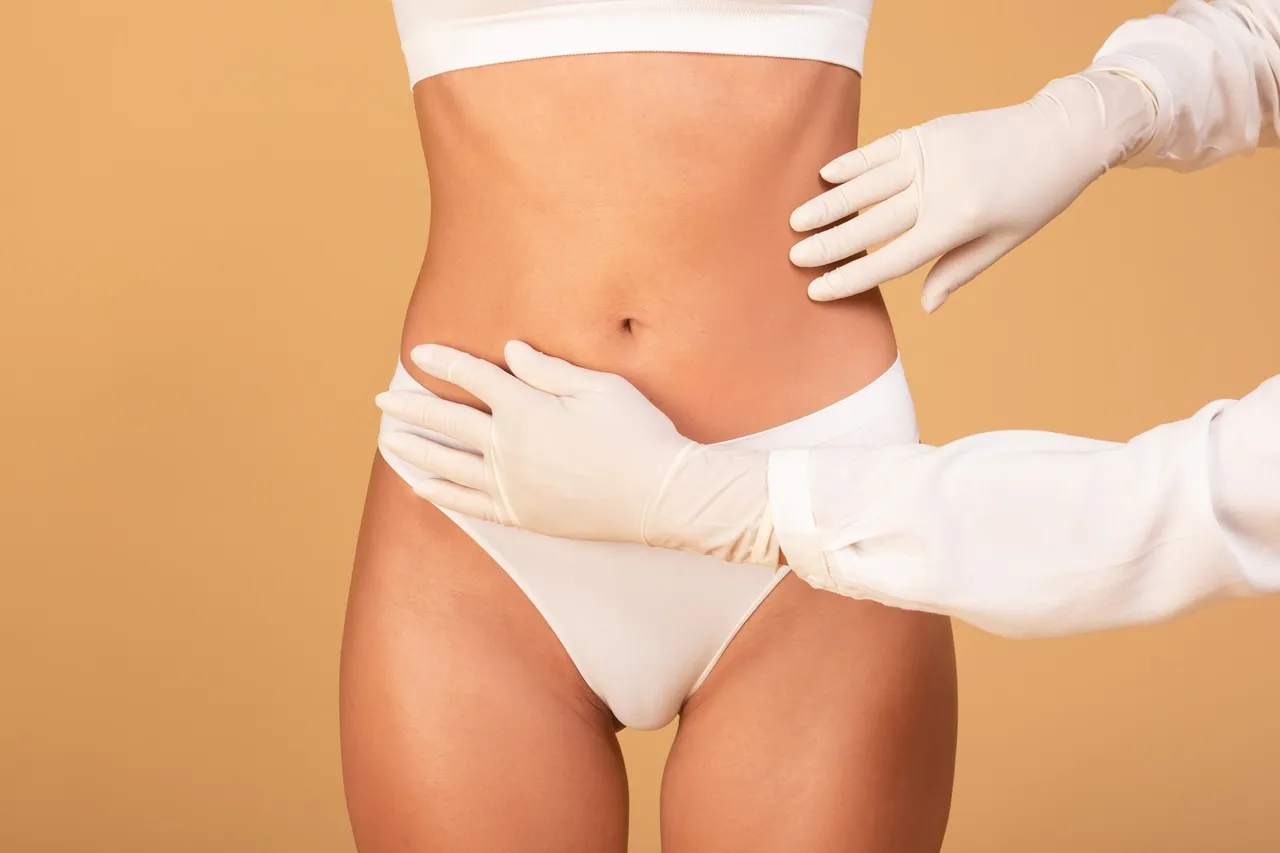
At Dr. Mark Plastic Surgery, our doctor conducts a detailed exam to assess any pocket of fluid you feel concerned about. Diagnosis starts with visual and manual inspection of your surgical site, allowing our team to gauge the size and pressure of the swelling.
Whether you have undergone a traditional abdominoplasty or a reverse tummy tuck, our surgeons use precise palpation to distinguish between normal post-op edema and a true seroma.
In most cases, your surgeon can confirm a seroma by feeling the area or listening for fluid movement under gentle pressure. If the situation is less clear, imaging tests such as ultrasounds can help map the size or location of the fluid collection in more detail.
Documenting the size and location at each visit helps our doctor decide which treatment option will foster the fastest and safest recovery for you.
Treatment Options: How to Get Rid of a Seroma
There are several safe, proven ways to help your body clear a seroma efficiently. Our team selects the right approach depending on your symptoms, seroma size, and how your body has responded so far.
Common Conservative and Medical Treatments
Here are the primary ways our surgeons treat seromas after a tummy tuck:
- Needle Aspiration: Our doctor uses a sterile needle and syringe to remove fluid from the area at one or several office visits. This is often the fastest and least invasive way to shrink a seroma.
- Reinsertion or Extension of Drains: If the seroma recurs or grows, reinserting surgical drains or keeping drains in place longer can control fluid buildup effectively.
- Compression Therapy: Wearing a snug, well-fitting compression garment supports healing tissues and prevents additional fluid accumulation. Our surgical team may instruct you to continue or adjust your garment use.
- Watchful Waiting: Tiny seromas that cause minimal discomfort or swelling can resolve on their own. In these situations, our practice will guide you with careful follow-up and instructions.
- Surgical Removal: For persistent or very large seromas that do not respond to other treatments, a small outpatient operation may be necessary to open and clear the pocket.
Each approach carries its own benefits and risks, so we make sure to tailor your seroma solution based on your progress, comfort, and overall health.
Home Care Tips for Managing a Seroma
While some seromas require in-office treatment, supportive home care offers another layer of protection and speeds up your healing. Our team educates every tummy tuck patient on a few critical self-care steps.
- Keep Compression Garments On: Maintain your surgeon’s recommended schedule for compression wear, which usually means 23 hours a day except during showering.
- Limit Activity: Keep strenuous abdominal motion to a minimum so that tissue edges can heal together naturally and fluid does not collect.
- Monitor Symptoms Closely: Track swelling, discomfort, and any new fluid leaks, and promptly report concerning changes to our office.
- Protect Incision Sites: Follow our wound care instructions closely, including the correct post-tummy tuck sleep position to reduce infection risk, which can complicate or worsen a seroma.
- Stay Hydrated, Eat Well: Support your body’s recovery process with enough fluids and balanced meals for optimal tissue repair.
With consistent home care, most patients find that mild seromas decrease over time, especially with close communication between visits.
When to Call the Doctor: Warning Signs and Red Flags
Although seromas can be common after tummy tucks, certain symptoms must be addressed by our team without delay. Being proactive here can prevent more serious issues.
If you notice any of the following, contact our office as soon as possible:
- Redness Spreading from Incision: Expanding redness may mean the area is becoming infected.
- Increasing Pain or Swelling: If discomfort increases even after gentle care, the fluid pocket might be growing.
- Warmth or Tenderness: A suddenly warm or increasingly tender area could signal inflammation or infection in the fluid.
- Fever or Chills: Any unexplained fever may reveal a systemic infection and must be evaluated urgently.
- Cloudy, Foul-Smelling Fluid: Fluid that turns cloudy, green, or malodorous almost always demands immediate medical review.
Rapid response to these warning signs keeps recovery on track and deters rare but severe complications.
Preventing Seroma Formation After Surgery
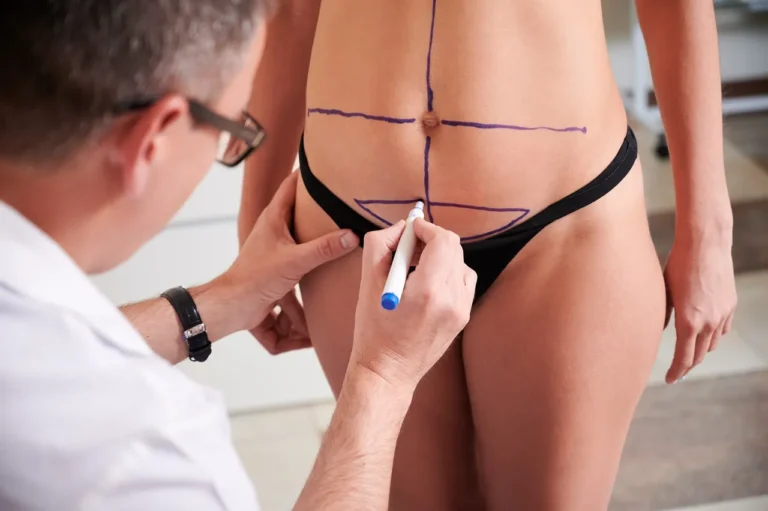
Our surgical team strongly believes that prevention is the smartest way to minimize seroma risks before and after tummy tuck surgery. We focus on gentle techniques in the operating room and thoughtful patient education in recovery.
Best Practices for Prevention
Let’s review several evidence-backed strategies that help protect against seroma formation during and after your surgery:
- Precise Placement of Drains: Inserting surgical drains at the right spots removes excess fluid from your abdomen efficiently, which leaves less opportunity for a seroma to develop.
- Detailed Patient Instructions: Our surgeons spend extra time explaining when to remove drains, how to use compression garments, and which activities to avoid so that you heal at the ideal pace.
- Tailored Surgical Techniques: Our doctor chooses the best approach for your body composition and prior medical history, as certain techniques cause less trauma to tissues.
- No Smoking Policy: We encourage patients to quit smoking before surgery because tobacco use sabotages healing and raises the risk for fluid buildup.
- Gradual Return to Activity: Patients must resume walking, exercise, and lifting only when cleared by our team to give healing tissues time to knit together and seal potential spaces.
Bringing these preventive steps together dramatically cuts down on the chance of seroma development.
Potential Complications of Untreated Seromas
Though most seromas are minor and resolve with conservative care, untreated or severe cases can lead to secondary problems. Our practice always aims to intervene early to limit these risks.
If left too long, a seroma can grow large enough to stretch or thin the overlying skin, which may slow your final results. Persistent fluid can also harden into fibrous tissue, creating a permanent mass known as a “seroma capsule,” which can sometimes be felt or seen through the skin.
The greatest danger comes when the pocket of fluid becomes infected. This may result in an abscess, prolonged open wounds, or even a need for further surgery. Due to these risks, we take seroma surveillance seriously and implement proactive management strategies as soon as possible.
Recovery Timeline: What to Expect After Seroma Treatment
Most tummy tuck patients in Scottsdale find that seromas resolve anywhere from several days to a few weeks, depending on their size and the type of intervention used. Needle aspirations usually shrink the fluid quickly, and most swelling subsides within a week or two after the last drainage.
Wearing compression garments and following activity restrictions can further shorten the recovery period. Your own healing process may vary, which makes consistent follow-up with our office so important.
At Dr. Mark Plastic Surgery, we tailor aftercare visits and check-ins to each patient, which means you always have guidance as you progress through every phase of your healing journey.
What If the Seroma Returns? Understanding Recurrence
While rare, some patients experience recurring seromas even after treatment. This may signal an underlying pocket that needs more thorough closure or a problem with fluid drainage.
In these cases, our surgical team may adjust your compression garment, extend drain use, or recommend brief outpatient surgery to seal the space and prevent more fluid from collecting. Prompt attention to recurrent swelling leads to better comfort and cosmetic results with less downtime overall.
Clear Steps Forward
Dealing with a seroma after your tummy tuck may seem discouraging at first, but proper care nearly always leads to full resolution and satisfying results. Early identification, thoughtful treatment, and attentive follow-up all work together to safeguard your comfort and recovery.
Our team at Dr. Mark Plastic Surgery is here to answer all your questions, check your recovery progress, and provide tailored solutions if a seroma disrupts your healing. If you notice swelling, fluid, or anything concerning your results, just reach out to our Scottsdale office right away.
With our guidance and your partnership, you can move forward confidently and enjoy your surgical transformation to the fullest. Contact Dr. Mark Plastic Surgery today to schedule your personalized consultation or follow-up appointment, and let us help you achieve the best possible outcome for your tummy tuck journey.