
Liposuction Recovery Timeline
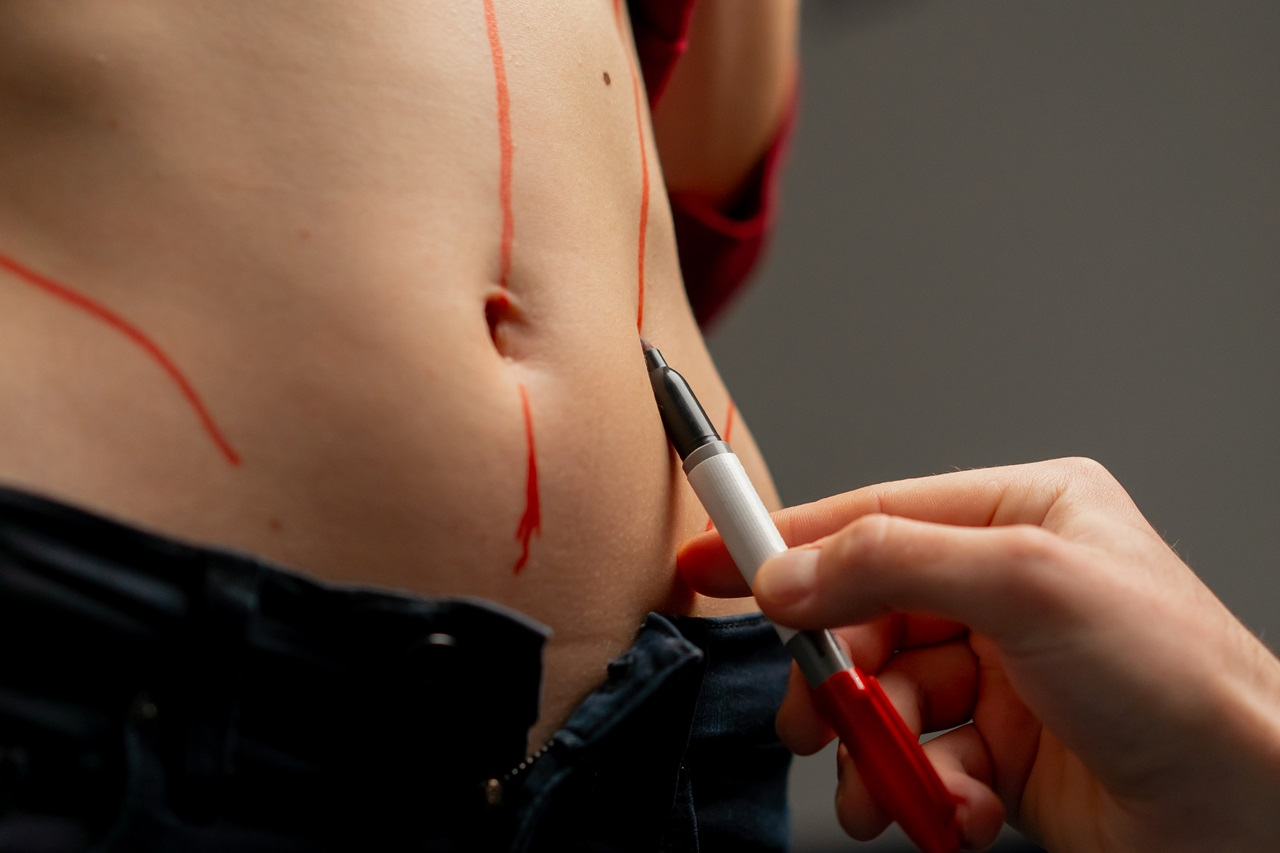
At Dr. Mark Plastic Surgery, we know patients want to feel prepared and confident about their recovery after liposuction. This popular cosmetic procedure requires careful aftercare and a realistic timeline so you can return to your routine without surprises or setbacks.
Many people do not realize just how much the healing process can vary based on factors like procedure type, number of treatment areas, and your own health. Our Scottsdale team believes clear, step-by-step information helps you set expectations and make the best choices for your comfort. In this article, we share detailed guidance on what to expect after liposuction from the first days at home to long-term results.
Key Takeaways
Understanding Liposuction Recovery
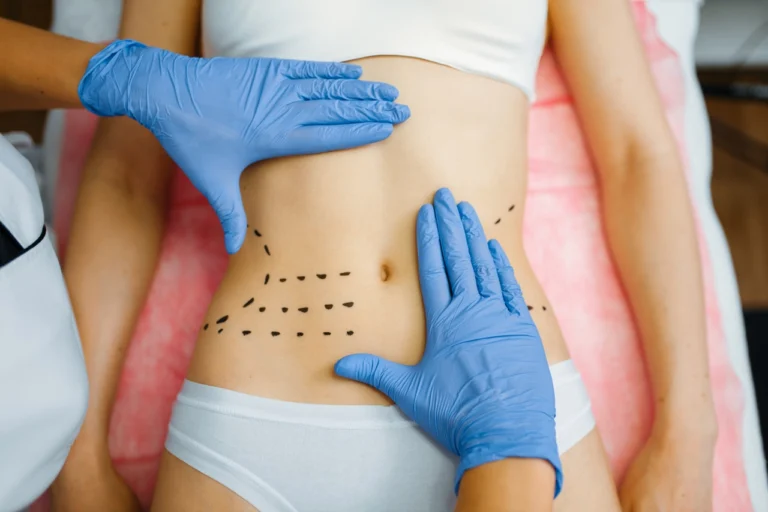
Liposuction removes stubborn pockets of fat, but the healing journey does not end when you leave the operating room. Recovery is a vital phase that greatly influences your comfort, satisfaction, and the outcome of the procedure.
What Happens After Surgery
Once your procedure ends, our surgical team places you in a supportive garment. Most patients feel groggy from anesthesia for several hours. In the recovery area, nurses monitor your vital signs, comfort, and incision sites to ensure you are stable before returning home.
For the first day or two, rest is essential. Swelling and mild bruising develop quickly, which is entirely normal. Our surgeon provides detailed wound care and pain management instructions to ease the transition home.
Why Recovery Timelines Vary
Recovery from liposuction depends on several factors unique to you and the specifics of your procedure. The number and size of treatment areas, the technique used, and your body’s individual healing response all play a role. Some patients return to their routines within a week, while others need more time before resuming work or exercise.
Week-by-Week Liposuction Recovery Timeline
Each stage of healing looks and feels different. The timeline below describes common milestones, so you know what to expect and how to plan your schedule.
First Few Days: Protecting Incisions and Managing Discomfort
During the first 24 to 48 hours, you should focus on rest and gentle movement to stimulate circulation. Swelling and bruising typically peak during this period and then gradually begin to subside. You may notice fluid drainage from incision sites, which is a normal part of the healing response after tumescent liposuction.
Our surgeon at Dr. Mark Plastic Surgery recommends light meals, staying well-hydrated, and avoiding strenuous movements. You must wear your compression garment as instructed for maximum support.
1 Week: Early Recovery and Mobility
By the end of the first week, discomfort usually lessens. Most patients experience reduced bruising and swelling, though tightness or soreness may persist around treated areas. Returning to light daily activities, such as walking or easy household tasks, encourages healthy circulation without disrupting healing tissue.
Follow-up visits at our Scottsdale office usually take place during this stage. Our team checks on your progress and addresses any concerns.
2 Weeks: Resuming Regular Activities
At the two-week mark, swelling continues to decrease. Many patients feel ready to return to office jobs or other desk-based work, provided their tasks do not involve heavy lifting or strenuous movement. Compression garments remain essential, and our surgical staff can confirm when to decrease wear.
Some numbness or firmness may linger. These symptoms, which reflect the body’s natural repair process, may last several weeks.
1 Month: Noticing Early Results
Around the one-month point, most bruising resolves. Swelling has typically diminished, so the contours of treated areas become more visible. Most patients feel much more comfortable and mobile, but the final outcome has not set in at this stage.
You should continue gentle exercise and maintain healthy eating habits, as this enhances your results. Our surgeon continues to check your healing and provides encouragement.
3 to 6 Months: Final Phase and Stable Contours
Swelling subsides fully over several months, and residual firmness gradually softens. Treated areas refine and reveal their new silhouette. Skin tightens over new contours as the body adjusts.
Our Scottsdale patients often notice their results look and feel natural by six months. After this point, photos can give you a clear before-and-after perspective.
Common Side Effects and What to Expect
Knowing what is normal helps ease worries and lets you spot concerns early. Most patients experience mild to moderate side effects that improve with time.
Swelling
Swelling is the body’s normal way of responding to surgery. Most swelling appears in the first few days and begins to decrease slowly. Elevating the treated area and consistent use of compression garments help reduce swelling more quickly.
Bruising
Bruising is most pronounced in the first week after liposuction. While some people bruise very little, others see more prominent purple or blue patches that resolve on their own.
Soreness and Sensitivity
You may notice soreness or tenderness to touch, especially in the areas where fat was removed. Most soreness improves within 10 to 14 days, and over-the-counter pain medication often brings relief.
Changes in Sensation
Temporary numbness, tingling, or mild burning can develop in treated areas. Nerves affected by surgery typically recover over several weeks or months.
Liposuction Recovery: What To Do (And What To Avoid)
You play a key role in your comfort and wound healing. Our surgeon at Dr. Mark Plastic Surgery always reviews the following guidelines to help patients recover safely and with optimal results.
Liposuction recovery involves specific do’s and don’ts, which help protect your results and prevent delays.
What To Do After Liposuction
- Wear Your Compression Garment: Compression garments reduce swelling and help your skin conform to new contours. Our team advises constant wear for the first few weeks, removing only for showering.
- Follow Medication Schedules: Take prescribed medications exactly as directed by our surgeon. Pain, antibiotics, or other medications work best when used as scheduled.
- Attend Your Follow-Up Visits: Check-ins allow our surgical staff to assess your progress and answer your questions. These appointments spot early changes or side effects.
- Get Gentle Movement: Walking encourages healthy blood flow and reduces the risk of blood clots. Short strolls around your home are helpful.
- Practice Good Wound Care: Keep incisions clean and dry to avoid infection. Our team instructs you on care routines during your preoperative visit.
Staying consistent with these actions gives your body the support it needs to heal efficiently.
What To Avoid During Recovery
- Skip Strenuous Exercise: Wait at least three weeks before resuming running, weightlifting, or high-impact workouts. Let our surgical team guide your timeline.
- Avoid Smoking and Alcohol: These substances hinder healing and can delay swelling resolution and scar improvement.
- Stay Out of Hot Tubs or Swimming Pools: Submerging the incisions before they close fully raises infection risk.
- Do Not Ignore Signs of Infection: Watch for redness, increasing pain, fever, or drainage with foul odor. Call our office promptly with these concerns.
Following these guidelines protects your healing process and helps prevent complications that can slow recovery.
Closely Monitoring Your Progress: Potential Complications
While liposuction is considered safe when performed by a skilled provider, every surgical recovery has potential risks. Our surgeon provides information on complications that patients should watch for, along with our approach to prevention and early intervention.
Common Complication Signs to Watch For
Some signs require prompt communication with our office, as early detection leads to faster solutions.
- Infection: Look for increasing redness, warmth, severe pain, pus, or fever. Infection is uncommon but can be serious if unaddressed.
- Lumpy or Irregular Contours: Swelling usually appears uneven during the early weeks. Persistent major lumps after three or more months may require evaluation.
- Fluid Accumulation (Seroma): Noticeable swelling or fluid under the skin can occur. Our surgeon may drain this if it does not resolve on its own.
- Persistent Numbness: Some mild numbness is expected, but long-term loss of sensation should be evaluated at a follow-up appointment.
- Delayed Healing: Incisions that do not seal or continue draining after two weeks need assessment for delayed healing.
Our practice encourages open communication, so we can guide your recovery, answer questions, and manage any issues right away.
The Role of Compression Garments
Compression garments serve as a cornerstone of the recovery process after liposuction. Beyond their superficial look, these garments offer several important benefits for healing.
Why Compression Matters
Our surgeon emphasizes the value of compression garments for several reasons. These specialized garments help minimize postoperative swelling by applying gentle, uniform pressure over the treated areas. This pressure discourages the build-up of fluid and fluid pockets (seromas).
Compression garments also help your skin conform smoothly to the new body contours created by liposuction. By stabilizing tissues as they heal, these garments may lessen irregularities and smooth out early swelling.
How Long to Wear Compression Garments
Most patients receive instructions to wear compression garments for three to six weeks after liposuction. During the first weeks, we advise wearing them day and night, only removing them for hygiene. As the swelling decreases and healing progresses, our surgeon may recommend gradually reducing wear, often beginning at the three-week mark.
Proper garment use improves both comfort and your final results.
Speeding and Supporting the Healing Process
Some patients want to know if they can speed their recovery, while others are focused on ensuring the best possible results. The good news is that you have some influence over your body’s healing and comfort after liposuction.
Ways To Support Healing
Simple daily routines can make a positive difference in your recovery. Consider the following proactive habits during your healing period:
- Stay Hydrated: Water aids circulation, metabolism, and tissue repair.
- Eat Nutritious Meals: Foods high in protein, vitamins, and antioxidants help your body regenerate skin and soft tissue.
- Get Enough Sleep: Quality sleep gives your immune system a boost and allows your body time for cellular repair.
- Avoid Salt and Processed Foods: High sodium intake increases water retention, which prolongs swelling.
- Keep Your Compression Garment Clean: Regular laundering prevents skin irritation and lowers the risk of infection.
By prioritizing these habits, patients typically report smoother recoveries and better comfort in the early weeks after their procedure.
Returning to Work, Exercise, and Social Activity
You can look forward to regaining your daily rhythm soon after liposuction. However, knowing when and how to resume work, physical activities, and social outings ensures a stress-free transition.
Returning to Work
Most people with sedentary or desk-based jobs return to work within a week, provided they listen to their body and avoid lifting. If your job involves heavy physical labor, our surgeon may recommend an extended period away from work to safeguard your results.
Restarting Exercise
While light walking is encouraged early on, strenuous exercise needs to be avoided for at least three weeks. Healing tissues are still delicate, and vigorous movement could increase discomfort or contribute to complications. Our clinical team provides stepwise clearance for activities so you can return to your favorite exercise routines safely.
Social Activity and Appearance
Bruising and swelling last longer than pain for many patients. Socializing in person may depend on your preference for privacy as the bruises fade and your new contours take shape. By one month post-surgery, most swelling subsides, and you may feel comfortable resuming nearly all social activities.
Long-Term Care and Maintaining Results
Liposuction permanently removes targeted fat cells, but your choices after surgery make a difference in how results last over the years. Our Scottsdale team offers resources to help you achieve longer-lasting contour and satisfaction.
Importance of Healthy Habits
Maintaining a stable weight is the most effective way to preserve your results. Major weight gain after liposuction causes new fat cells to expand, which could alter the shape you achieved with surgery.
Skin and Scar Care
Follow your aftercare instructions carefully to help scars fade as much as possible. Gentle scar massage, sunscreen, and topical treatments can improve the look of incisions over time.
Monitoring for Changes
Our team recommends periodic self-exams and occasional check-ins so you can address questions or unexpected changes quickly. Photos or notes can be helpful for tracking swelling, firmness, and overall shape as you heal in the months following surgery.
Planning Your Liposuction Recovery: Confidence and Next Steps
Knowing what to expect from liposuction recovery is one of the best ways to ensure comfort and satisfaction with your results. When you understand each stage of healing and the signs to watch for, you have the power to make informed decisions and avoid unnecessary stress.
Our staff at Dr. Mark Plastic Surgery is always available to answer questions, offer reassurance, or provide personalized tips for your specific needs. You do not have to figure out recovery alone. Instead, our team guides you from the first consultation until you see your final results in the mirror.
If you are considering liposuction in Scottsdale and want skilled care through every phase, please contact Dr. Mark Plastic Surgery to schedule a consultation. Our team looks forward to guiding you through a safe, smooth, and positive recovery journey.