Otoplasty Risks and Red Flags
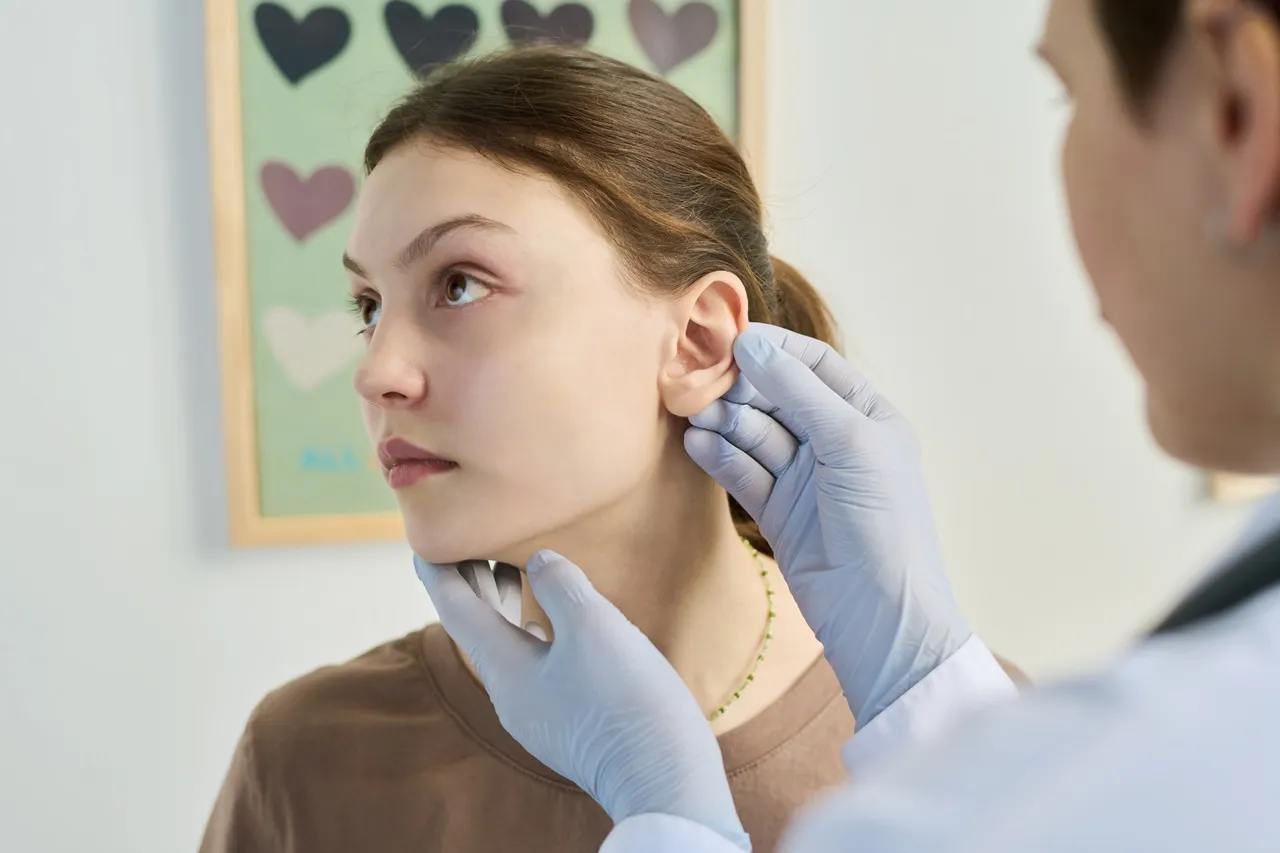
Otoplasty, or cosmetic ear surgery, can offer both physical improvement and emotional relief for people who want to reshape or reposition their ears. At Dr. Mark Plastic Surgery, many patients inquire about the treatment’s safety, risks, and possible red flags, often feeling anxious about what to expect.
While otoplasty is considered a safe procedure when performed by a skilled surgeon, there are specific risks and warning signs no patient should ignore. Reading this article will help you understand everything you need to know about otoplasty risks and red flags, supporting you as you decide whether this surgery is right for you, and helping you know how to protect yourself during your surgical journey.
Key Takeaways
Understanding Otoplasty: What the Procedure Involves
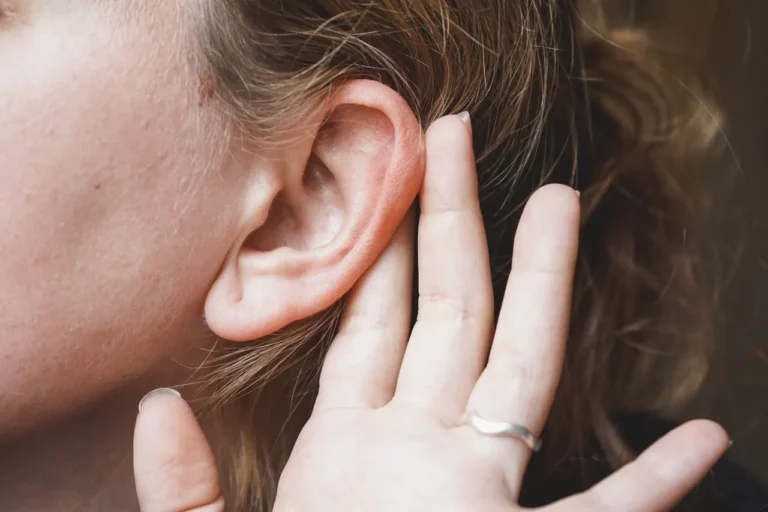
Otoplasty, also known as ear pinning or ear reshaping surgery, aims to improve the position, proportion, or shape of the ears. Most people seek this procedure to correct prominent ears, congenital deformities, or features resulting from injury.
Key Steps in Otoplasty
Every otoplasty follows a series of essential steps to achieve the best result.
- Consultation: Evaluation of your medical history, ear anatomy, and cosmetic goals sets expectations and helps ensure safety.
- Anesthesia: Most procedures use local anesthesia with sedation, though children sometimes require general anesthesia.
- Incision and Reshaping: The surgeon makes a small incision, usually behind the ear, so cartilage can be sculpted, repositioned, or secured closer to the head.
- Suturing: Special stitches hold the new ear position and shape until full healing occurs.
- Dressings and Recovery: A protective bandage covers the ears, and most patients return home the same day.
The specifics of each otoplasty can vary based on your anatomy, age, and cosmetic preferences. At Dr. Mark Plastic Surgery, we customize every surgical plan with your safety and goals in mind.
Common Risks of Otoplasty: What Every Patient Should Know
While advances in surgical technique have greatly improved otoplasty safety, there are always some risks. Knowing what to watch for can help you take action quickly if problems arise.
Surgical Risks Associated with Otoplasty
Surgical risks typically fall into medical and cosmetic categories. Understanding these helps you make an informed decision.
Medical Risks
Even when performed by an experienced surgeon, medical risks can occur.
- Infection: Bacterial infections may develop at the incision site or deeper in the tissue, requiring antibiotics or, rarely, further surgery.
- Bleeding and Hematoma: Some bleeding at the incision site is normal; however, pooled blood (hematoma) inside the ear may cause pain or affect results.
- Delayed Wound Healing: Healing can proceed slowly in some patients, especially people with certain health conditions or who smoke.
- Scarring: All incisions leave scars, though otoplasty scars are generally hidden and fade over time. Some people form noticeable thick or raised scars.
Cosmetic and Sensory Risks
Complications may also affect the appearance or function of your ears.
- Asymmetry or Overcorrection: Surgery may result in ears that appear uneven or pinned closer to the head than desired.
- Numbness: Temporary or, rarely, permanent numbness around the ears can result from nerve injury.
- Unnatural Ear Contours: If too much cartilage is removed or reshaped, the ears may appear distorted or folded abnormally.
If any of these complications occur, they can often be corrected with non-surgical care or a future revision procedure.
Red Flags After Otoplasty: Warning Signs Not to Ignore
Some symptoms after otoplasty are normal, while others signal possible complications. Recognizing these red flags right away is crucial for safeguarding your health and results.
Signs of Infection or Severe Complication
New or worsening redness, heat, and swelling can sometimes indicate a serious issue. Contact your surgical team immediately if any of the following occur:
- Persistent pain that does not improve with medication or rest.
- Sudden, severe swelling, especially if one ear appears much larger than the other.
- Foul-smelling or discolored fluid draining from the incision.
- Fever higher than 101°F or chills in the days after surgery.
- Skin that feels hot to the touch or develops a dark, discolored appearance.
Responding to these symptoms promptly, in consultation with your surgeon, gives you the best chance of a smooth recovery.
Cosmetic Red Flags
Noticing changes in the appearance of your ears warrants a follow-up with your surgical team.
If your ears appear markedly asymmetrical, seem pulled back too tightly, or develop new folds not present before surgery, your surgeon needs to know as soon as possible. These signs may require further assessment for possible revision or adjustment.
Risk Factors That Increase Otoplasty Complications
Several risk factors can raise the chances of problems after otoplasty. At Dr. Mark Plastic Surgery, we evaluate these carefully before recommending surgery.
Medical Conditions and Health Factors
People with certain chronic illnesses or unique medical backgrounds may face greater surgical risks. Here are some key considerations:
- Poorly controlled diabetes: Diabetes can restrict circulation and slow healing, increasing the risk of infection or wound problems.
- Blood clotting disorders: Any issue that affects normal blood clotting or causes easy bruising heightens the risk for bleeding or hematoma.
- Autoimmune or skin conditions: Diseases that affect the immune system or wound repair can complicate the healing process.
Lifestyle Factors
Your everyday habits also play a role in surgical outcomes.
- Smoking: Nicotine constricts blood vessels and slows oxygen delivery, which impairs healing and can lead to tissue breakdown.
- Recent piercings or trauma: Ears recently pierced or injured may not heal as expected after surgery.
- Young age in children: While otoplasty is safe for most children over age five, immature cartilage may respond differently and heal more unpredictably.
Discuss your complete medical history with your surgeon, since this information will guide planning and help minimize risks.

How to Minimize Your Otoplasty Risks
You can take several important steps to lower your chances of complications and ensure a safe and satisfying experience.
Choose an Experienced, Board-Certified Surgeon
Selecting a surgeon with exceptional credentials and otoplasty experience is the most important factor for reducing surgical risk. Look for the following qualifications:
- Board certification by an established medical board, such as the American Board of Plastic Surgery.
- Extensive training in facial and ear procedures.
- A gallery of before-and-after photos demonstrating consistent, natural results.
- Willingness to answer all your questions about risks, techniques, and expected results.
A skilled surgeon will evaluate your anatomy, discuss concerns honestly, and set realistic expectations. At our Scottsdale office, we take pride in offering this level of care to every otoplasty patient.
Follow Pre-Operative and Post-Operative Instructions Closely
Your surgeon will provide a customized plan for preparation and recovery. Following this plan can help you avoid many preventable issues.
- Discontinue smoking as far in advance as possible, ideally four weeks before your procedure.
- Avoid medications and supplements that can increase bleeding, such as aspirin or certain anti-inflammatories.
- Clean your incision sites as directed, and attend every scheduled follow-up appointment.
- Watch for new or unusual symptoms, and report concerns promptly.
Partnership and good communication between you and your surgeon form the foundation of a safe, successful otoplasty.
When Are Risks Higher? Situations That Require Special Caution
Certain situations place patients at higher risk of problems, and understanding these ahead of time offers protection. Here are common scenarios that demand extra care:
Revision Surgery
Previous ear surgery increases risk, as scar tissue and altered anatomy make operating more complex. If you are considering a revision otoplasty, discuss your goals and prior surgical history in detail with your surgeon.
Allergies and Sensitivities
Known allergies to anesthesia, antibiotics, or surgical tape may increase the likelihood of adverse reactions. Sharing all allergies and previous reactions with your surgical team ensures a safer plan.
Unrealistic Expectations
If you expect “perfect” ears or a dramatic transformation, the risk of dissatisfaction or disappointment rises. Good surgical candidates have clear, achievable goals and understand that subtle, natural results are most typical.
Your surgeon will assess these risks carefully and discuss how they may affect your outcome.
Signs of a Poor Surgical Outcome: What to Watch For and When to Seek Help
Even with the best preparation, sometimes results do not meet expectations. Knowing early warning signs can help you seek the right support.
Common Signs of Trouble After Otoplasty
Paying attention to the following signs can allow for prompt action and, in some cases, improved outcomes:
- Significant Asymmetry: If your ears appear clearly different in size, position, or contour, revision surgery might be needed.
- Excessive Scarring or Keloids: Raised, thick scars may develop and persist beyond normal healing, sometimes requiring steroid injections or surgical revision.
- Unnatural Folding or Indentation: Ears should look smooth and natural, without sharp edges or odd bends.
- Persistent Numbness or Tingling: Temporary numbness is expected, but symptoms lasting longer than several months may call for evaluation.
- Chronic Pain: Ongoing pain beyond expected healing should never be ignored, as it could signal nerve irritation or underlying infection.
Noticing these signs does not necessarily mean you will need more surgery. Early recognition and open communication with your surgeon significantly increase the likelihood of a good solution.
Factors That Can Delay Recovery or Increase Discomfort
Understanding the variables that slow healing or increase post-surgical discomfort helps you prepare mentally and physically for surgery.
Age and Healing Response
Younger patients often heal more quickly and without incident, though children’s ears can sometimes shift position as they grow. Older patients, especially those with health concerns, may experience longer recovery times or more pronounced swelling.
Medication and Aftercare
Certain prescribed or over-the-counter medications, especially blood thinners, increase bleeding risk. Always inform your surgical team of every medication and supplement you take.
Cleaning your incision area with the recommended products, avoiding scratching or pressure on your ears, and wearing protective headbands as instructed can speed healing and prevent problems.
The Role of Follow-Up Care: Staying Safe After Surgery
Regular follow-up visits play a critical role in monitoring your healing and detecting any complications as early as possible. After otoplasty, scheduled appointments with your surgeon allow for careful inspection of your incision, swelling, and ear shape as your recovery progresses.
These visits are a chance to ask questions and address concerns you notice at home. They also provide you with reassurance, as most patients heal smoothly with little more than temporary discomfort or swelling.
If you live outside the Scottsdale area or feel unsure about returning for in-person visits, communicate this to your care team up front so that alternative arrangements can be discussed.
Effective follow-up can sometimes happen remotely, but an in-person visit gives your surgeon the most detailed information.
How to Communicate Your Concerns and Advocate for Your Health
Open and honest communication with your surgical team before and after otoplasty is essential. Never feel hesitant to share new or persistent symptoms, changes in your ear appearance, or concerns about your results.
If you notice pain, fevers, discharge, or significant differences between your ears, call your surgeon’s office right away. No question is too small or unimportant. Your care team wants to support you every step of the way, including addressing uncertainties as they arise.
Making Informed Choices About Otoplasty: What Matters Most
Every surgical decision deserves careful consideration and personalized guidance. Knowing the risks of otoplasty, staying alert for warning signs, and choosing an experienced, board-certified surgeon are among the most important steps you can take to protect your health and satisfaction.
The team at Dr. Mark Plastic Surgery prioritizes both safety and beautiful results. We help guide you through every phase of your otoplasty journey. From consultation to final follow-up, so you can make decisions with confidence.
If you have questions about otoplasty risks, red flags, or how to determine the right approach for you or your child, schedule a consultation with our Scottsdale office. Together, we will review your goals, answer all your questions, and design a plan tailored just for you. Your peace of mind and your results are our top priorities.