
How Painful Is an Arm Lift?
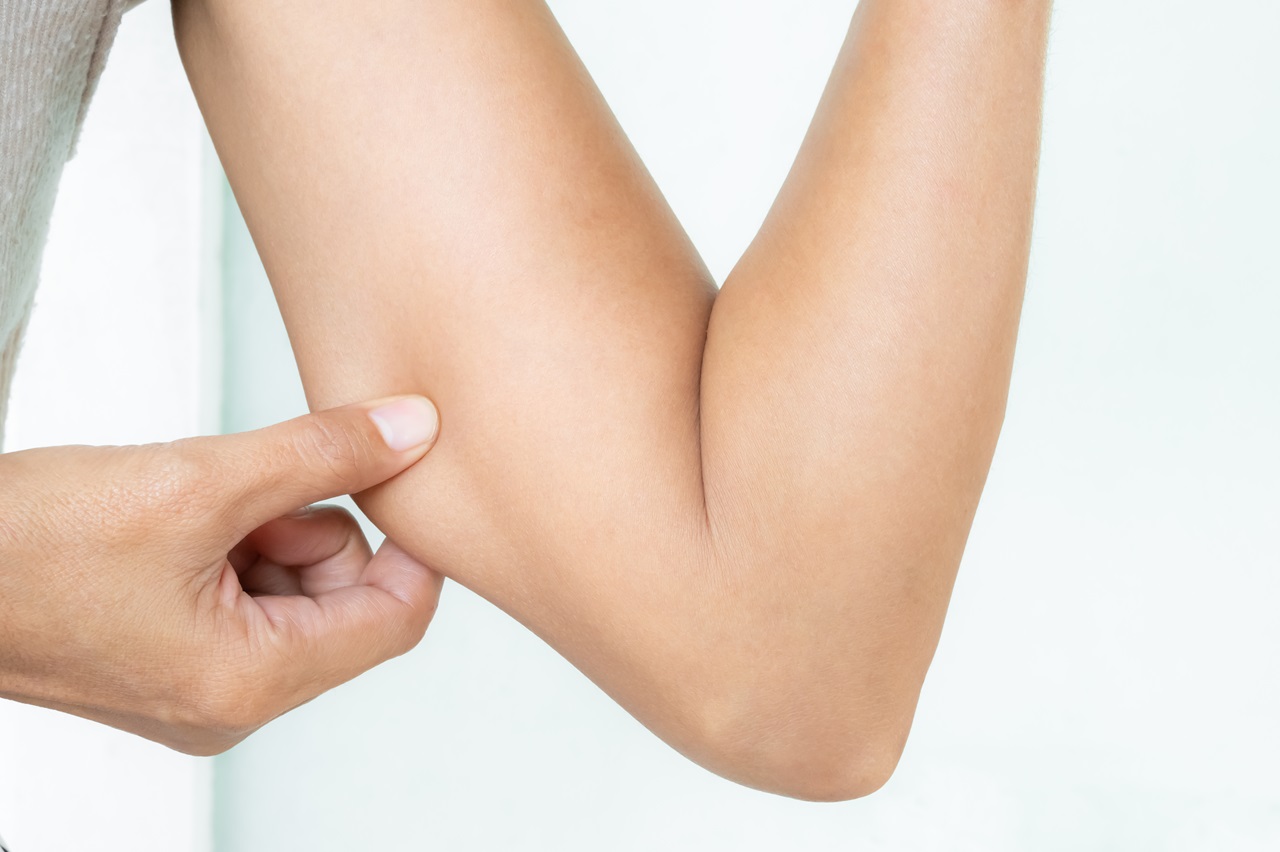
Brachioplasty, known as an arm lift, can be a life-changing procedure for anyone who feels self-conscious about excess arm skin or sagging tissue. Many people who visit Dr. Mark Plastic Surgery in Scottsdale want to know how painful the surgery will be and what to expect in terms of comfort both immediately and over time.
Every person’s experience with arm lift pain is a little different, depending on their health, expectations, and even surgical technique. Our surgeon wants to help you understand not only how pain is managed before and after surgery, but also what factors can influence your comfort and recovery. Let’s explore what you need to know to make an informed, confident decision.
Key Takeaways

Understanding Arm Lift Surgery and the Sensation of Pain
If you are considering an arm lift, it is important to know what this procedure entails and how the body responds during and after surgery. An arm lift involves surgical removal of excess skin and fat from the upper arm, which often occurs after weight loss or with age-related tissue changes.
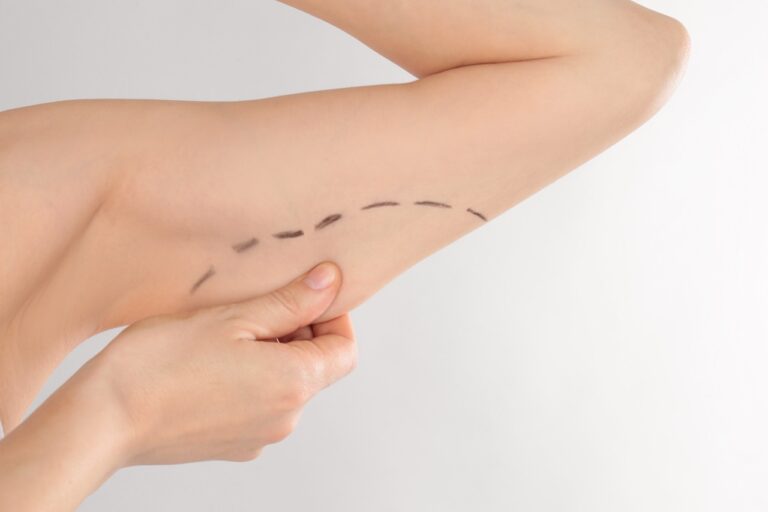
Our doctor makes incisions along the inner arm or back of the arm, depending on your unique needs. As with any surgery, the act of cutting through skin and soft tissue triggers a pain response in the body, which is why pain management is such a priority before, during, and after the procedure.
How Our Surgical Team Manages Pain During an Arm Lift
Pain control starts before the first incision is made. At Dr. Mark Plastic Surgery, our goals include both comfort and safety for every patient, and we use a strategic approach to anesthesia and pain management in the operating room.
Types of Anesthesia Used
Most arm lift surgeries use general anesthesia, which ensures you are unconscious and do not feel any pain during the procedure. In some cases, local anesthesia with sedation may be an option, especially for less extensive skin removal.
Our anesthesiology team monitors all vital signs and adjusts medication as needed throughout the surgery. This approach helps prevent pain awareness during the procedure and minimizes early discomfort when you awaken.
Immediate Post-Surgical Comfort Measures
Our team applies supportive dressings or compression garments right after surgery, which reduces swelling and pressure on the tissue. These items prevent excessive movement in the area and can reduce the risk of early irritation as you recover.
Most patients wake from anesthesia feeling groggy but not in severe pain, thanks to the long-acting medications and intraoperative numbing agents we use at Dr. Mark Plastic Surgery.
What to Expect During The First 72 Hours
Many patients find the first few days after their arm lift bring the greatest discomfort, though this is expected and manageable with proper measures. Pain usually feels sharp, tight, or sore along the incision lines and may radiate down the arm.
Swelling and bruising peak during this window, which can make arms feel heavy or tender. Our surgeon will prescribe appropriate medication, such as oral pain relievers and muscle relaxants, tailored to your needs and preferences.
Most people notice an improvement in pain by day four as the acute tissue response subsides. Elevating your arms on pillows and taking medication on schedule can help keep discomfort within a tolerable range.
At Home Medications and Non-Drug Strategies
Ongoing pain relief does not rely solely on prescriptions. We encourage you to use a multimodal strategy tailored for maximum comfort and a smooth recovery experience.
Medications Prescribed by Our Surgeon
Our team may prescribe a combination of the following medications after surgery:
- Opioid Pain Relievers: Short-term use is sometimes necessary for moderate to severe pain.
- Acetaminophen or Ibuprofen: Non-opioid options can help with mild to moderate discomfort.
- Muscle Relaxants: Some patients benefit from these if tightness or cramping intensifies.
- Antibiotics (if needed): Rarely prescribed for infection prevention, not pain, but can indirectly affect comfort.
Following your doctor’s instructions carefully can help reduce the risk of side effects and support optimal healing.
Non-Medication Pain Relief
In addition to prescription drugs, our surgical team encourages several non-drug comfort strategies:
- Elevate your arms above heart level while at rest to limit swelling.
- Cold packs used intermittently can bring temporary relief, but always cover ice with a cloth and check with our staff before starting home therapies.
- Wearing a compression garment as advised helps minimize movement and provides support for the healing area.
- Gentle movement, once allowed, improves circulation and can prevent stiffness or cramping that sometimes causes additional discomfort.
These measures all add up to a more comfortable recovery.
Key Factors That Affect Pain Severity After an Arm Lift
Every patient’s experience is unique, but several variables commonly influence how much discomfort you may feel after arm lift surgery.
The Extent of Surgery
Arm lifts come in various forms, from a minimal incision “mini” arm lift to an extended brachioplasty that addresses significant excess skin. Larger procedures require more tissue removal and often result in longer incisions, which can lead to more postoperative soreness.
If your arm lift includes liposuction, pain levels may be slightly higher due to additional manipulation of the soft tissue. Our doctor will discuss the details of your customized procedure and explain the impact on healing and pain expectations.
Individual Factors
Some people have a naturally higher tolerance for pain, while others describe discomfort as more intense. Medical conditions, such as diabetes and autoimmune diseases, can also play a role by affecting nerve health, inflammation, and overall healing speed.
Age may be a factor in how pain is perceived or managed, with older individuals sometimes experiencing slower tissue recovery. Discuss your personal medical history with our team to set realistic expectations.
Painful and Unpleasant Sensations You Might Notice
After an arm lift, pain is not always the only sensation patients report in the recovery process. Several related symptoms may develop as your body heals.
Tightness and pulling often appear along the incision lines, which can last for several weeks. Numbness or tingling is common in the skin of the upper arm, especially near the incision. Most patients find that these sensations fade as nerve endings heal and swelling resolves.
Soreness tends to decrease day by day, and a dull ache replaces sharp pain within the first week. If you notice burning, persistent, severe pain, or other unusual symptoms, reach out to our office for guidance.
Risks, Complications, and When Pain May Be a Warning Sign
While most people experience only mild to moderate discomfort during recovery, occasional complications can worsen pain after an arm lift. Recognizing these symptoms early is key to a safe, positive outcome.
- Infection: Persistent redness, heat, swelling, or drainage near the incision may suggest infection, which can make pain worse and often comes with fever.
- Hematoma: Rapidly increasing swelling and pain can indicate a collection of blood under the skin, which sometimes requires prompt intervention.
- Nerve Injury: Tingling, numbness, or sharp, shooting pain that does not improve might be signs of temporary or, very rarely, permanent nerve irritation.
- Wound Dehiscence: Opening of the surgical site can cause throbbing or pulling discomfort, often accompanied by visible separation along the incision line.
- Blood Clots: Although rare, sudden pain, especially if accompanied by swelling or warmth in the arm or hand, may indicate a deep vein clot.
Our surgeon at Dr. Mark Plastic Surgery will review warning symptoms with you before your procedure. We stay available after surgery in Scottsdale to respond to any concerns or unexpected pain that arises.
How the Recovery Timeline Impacts Pain After an Arm Lift
Most people find that arm lift pain follows a recognizable timeline from day one through several weeks after surgery. Knowing what to expect can help you prepare and worry less.
Typical Pain Timeline After Arm Lift Surgery
The first two to three days tend to bring the most discomfort. Pain then improves daily, with notable relief by the end of the first week. By week two, many patients notice only mild soreness or tender spots rather than outright pain.
Sensation in the arm continues improving for one to three months. Tingling or mild numbness can linger as nerves regenerate, but severe or persistent pain is rare beyond the initial recovery period.
Our practice encourages gradual activity increases as pain improves, and we provide detailed guidance to help you pace your return to daily living.
Tips for Managing Discomfort in Your Recovery
Pain may be expected after an arm lift, but practical solutions can reduce your discomfort and speed healing. Our team at Dr. Mark Plastic Surgery suggests the following strategies, which you can use at home to enhance your comfort.
- Follow medication instructions: Take pain medication as prescribed and do not wait until pain becomes severe before taking your next dose.
- Adhere to physical restrictions: Rest the arms, avoid heavy lifting, and do not stretch the incisions during early healing.
- Prioritize sleep and nutrition: Quality sleep and balanced nutrition support tissue repair and can lower inflammation, both of which affect pain levels.
- Use compression garments correctly: Wear your surgical garment as instructed to minimize swelling and provide gentle support.
- Attend all follow-up visits: We schedule regular appointments in Scottsdale, so our doctor can check your progress and adjust your recovery plan.
Consistency makes the biggest difference when managing pain after an arm lift. Reach out promptly if anything changes or if pain worsens unexpectedly.
Arm Lift Scar Sensations: What Is Typical, What Is Not
Scarring is a normal part of every surgical recovery, and some sensations will develop along the incision area. Early on, you may notice itching, bumpiness, or sensitivity as the skin and nerves heal.
Most patients describe scar discomfort as mild, though individual experiences vary. Scar tissue sometimes tightens initially, creating a sensation of tugging on the skin that usually lessens as the scars mature.
Rarely, thick or raised scars (hypertrophic or keloid scars) may cause prolonged sensitivity. If you have questions or concerns about your scars, our surgeon is happy to discuss options for scar care and pain relief as healing progresses.
What Sets Dr. Mark Plastic Surgery Apart?
Selecting a skilled surgeon matters not just for cosmetic results but also for your safety and comfort during the recovery period. At our Scottsdale office, our staff emphasizes advanced pain management techniques and personalized care before, during, and after surgery.
Our Approach to Comfort and Pain Control
Our surgeon spends time discussing pain expectations and recovery with each patient, creating an individualized plan that fits your body and goals. We use the latest anesthetic methods and stay updated on new pain relief strategies that offer effective results with the fewest side effects.
By communicating openly and honestly about discomfort, we help set realistic expectations and provide real solutions if your recovery is more painful than planned.
When to Call Our Office About Pain Concerns
Pain after an arm lift should gradually lessen, not worsen, as you heal. While most discomfort is normal, certain warning signs should prompt you to contact our team for personalized advice.
Contact our office if you notice:
- Sudden increase in pain after initial improvement
- Fever, chills, or wound drainage
- Severe swelling, tightness, or arm numbness
- Redness spreading from the incision
- Opening or oozing at the surgical site
Prompt communication with our office can prevent complications and keep your recovery on track.
Long-Term Benefits vs. Short-Term Discomfort
Any surgery brings temporary discomfort and inconvenience, but most patients at Dr. Mark Plastic Surgery describe strong satisfaction with their results and find the recovery process easier than expected. As pain fades, confidence and quality of life can improve, especially if clothing fits better and arms move more freely than before.
Discuss your concerns openly with our surgeon so that together we can select the best surgical plan and pain control approach for your needs. Recovery may take patience, but comfort and safety are our top priorities throughout the arm lift process.
Next Steps for Anyone Considering an Arm Lift
Understanding the realities of arm lift pain and the paths to relief can help you feel less anxious about surgery and more empowered as a patient. If you are thinking about this procedure, the best way to find out what to expect is a personal consultation.
Schedule your consultation with Dr. Mark Plastic Surgery to review your candidacy, discuss pain management in detail, and ensure every step of your journey is as comfortable as possible. Reach out today and let us support your goals for greater confidence and comfort.