
Sleeping on Your Side After a Tummy Tuck

At Dr. Mark Plastic Surgery, patients often want to get back to their normal routines as quickly as possible after a tummy tuck. Concerns about sleep are common, especially as quality rest is so important for a smooth recovery. The way you position your body at night is not just about comfort.
Sleep position affects swelling, tightness, and healing of the incision site as well. A tummy tuck is a transformative procedure, but proper healing is just as essential to maintaining long-term results.
If you have questions about when you can safely sleep on your side again after abdominoplasty, our team in Scottsdale is here to guide you through every stage. In the following sections, we explain what to expect and how to support a healthy recovery.
Key Takeaways
Understanding Sleep Position After Tummy Tuck
Proper sleep position does much more than provide comfort after a tummy tuck. It directly influences the healing process in several ways.
How Positioning Supports Healing
When you sleep on your back with your upper body slightly upright, you decrease tension at the incision site. This reduces the chance of stretching or pulling the scar. Additionally, this arrangement helps minimize post-surgical swelling by encouraging healthy circulation.
Our surgical team generally recommends a “beach chair” or recliner position for the initial healing phase to maintain the safest environment for your new contours.
Dangers of Premature Side Sleeping
Switching to your side too early can place stress on healing tissues and sutures. Compression and bending may disrupt the stitches, which increases the chance of poor scarring or even wound separation. Some patients find that sleeping on their side puts pressure on abdominal muscles that have just been tightened.
These tissues need extended time to heal before they can comfortably and safely support side sleeping. This is why timing is so important.
When Can You Sleep on Your Side?
Every patient heals differently, but a few general patterns tend to emerge after a tummy tuck. Understanding the timeline helps you know what to expect.
The Standard Timeline
Most people need to avoid sleeping on their side during the first 3 weeks after surgery. At this stage, the abdominal tissues and the incision are still vulnerable. Swelling peaks in the first week typically and gradually subsides each day after that.
By week 3, some people feel comfortable enough to experiment with gently turning to their sides, but our surgeon recommends starting very cautiously. By week 6, most patients have returned to their usual sleep positions without discomfort or risk.
Factors such as the surgical technique, degree of muscle repair, and your body’s healing ability may shift this timeline earlier or later.
Listening to Your Body
If you wake up with more soreness, extra tightness, or notice increased swelling after trying to sleep on your side, your body might not be ready. In most cases, we recommend going back to a supported back-sleeping position and waiting another few days before trying again. Checking in with our Scottsdale surgical team at post-op visits will help ensure that your timeline aligns with safe healing.
Sleep Position Benefits and Risks
Choosing the correct post-surgical sleep position plays a direct role in recovery outcomes and potential risks. Let’s look at why sleep position should never be overlooked during healing.
- Scar Quality: Sleeping on your back minimizes tension on the incision, which allows scars to heal flat and smooth.
- Reduced Swelling: Elevation and neutral positioning help control fluid buildup in the abdomen.
- Muscle Healing: The abdominal wall repairs more easily when not under undue stress from twisting or bending.
- Lower Complication Risks: Correct sleep alignment lowers the chances of seroma after a tummy tuck or wound separation.
- Improved Comfort: Over the weeks, an appropriate sleep position usually means less discomfort, better quality rest, and fewer setbacks.
Paying attention to these details in the early weeks gives you the best chance at optimal tummy tuck results. Patients who move too quickly to side sleeping may notice more pain or even jeopardize their surgical results.
Signs That Indicate You Can Try Side Sleeping
Recognizing when the body is ready for a change in sleep position is important for every patient. Certain signs consistently point to improved safety for side sleeping.
Key Milestones Toward Readiness
Several specific milestones show progress toward being able to sleep on your side again.
- Minimal Pain: Little to no discomfort, especially when getting in and out of bed, suggests improved healing.
- Stable Swelling: If swelling has subsided and there are no new areas of puffiness, tissues are usually safer to move.
- Incision Integrity: A fully closed incision with no drainage or gaps signals readiness for less rigid positioning.
- Decreased Tightness: A reduction in abdominal tightness means less risk for stretching or reopening the surgical site.
- Clear Follow-Up Appointments: Our surgeon has examined your progress and approved new sleep positions.
Hitting all these milestones means your body may tolerate gentle side sleeping. Nonetheless, we always recommend starting slow and using pillows for added support in the new position.
How to Sleep Safely After a Tummy Tuck
The way you position yourself each night matters tremendously for your comfort and healing. Adjusting your bedroom setup and habits can lead to better rest and reduced risk.
Tips for Safe Side Sleeping After Surgery
When our surgical team gives the green light to sleep on your side, following precautions helps you protect your outcome.
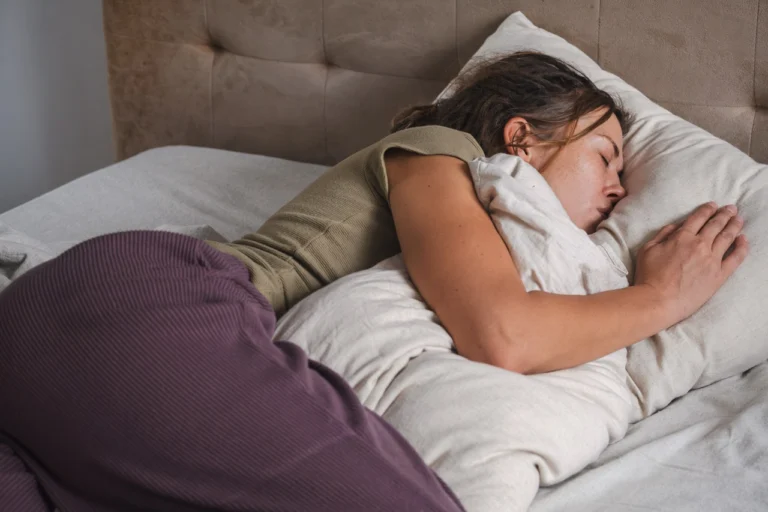
- Pillow Placement: Place a pillow between your knees and hug another close to your body. This keeps your hips and spine aligned while taking pressure off your abdomen.
- Use a Body Pillow: A full-length body pillow provides extra support and prevents rolling onto your stomach.
- Support Your Incision: Lightly supporting your lower belly with a small, soft pillow cushions the surgical site and eases discomfort.
- Transition Gradually: Start with short periods on your side while awake before spending full nights, so you can monitor comfort and symptoms.
As you start spending more time on your side, pay close attention to how your body feels. If you notice discomfort, swelling, or increased tightness, return to back sleeping and reach out to our Scottsdale office for further advice.
Common Concerns and Questions From Our Patients
Every surgical recovery comes with questions, especially about sleeping patterns and comfort. The following are some of the most common concerns brought to our practice regarding post-tummy tuck sleep.
Our team always encourages asking questions at every follow-up visit. Addressing concerns quickly leads to better outcomes and greater peace of mind.
The Role of Follow-Up Visits in Safe Recovery
Good follow-up care is essential after a tummy tuck, especially when discussing changes in daily habits like sleep positions.
Our Scottsdale-based team checks key markers of healing at each appointment, looking for proper incision closure, reduced swelling, and restored muscle strength. These visits allow our surgeon to personalize recommendations on when you can change sleep positions or resume other activities.
Each patient’s body heals at its own rate, so direct evaluation trumps general timelines.
If you ever notice unusual pain, increased redness, or leakage from the incision after trying a new position, do not hesitate to call our office. Early attention to these changes helps prevent complications and supports faster, more comfortable recovery.
Tips for More Comfortable Sleep During Recovery
Getting enough restful sleep during the healing process is possible with a few adjustments. Our team shares several techniques that make these nights easier for many patients.
Comfort-Boosting Strategies
- Elevate Your Upper Body: Use several pillows or an adjustable bed to keep your torso raised. This reduces abdominal tension.
- Optimize Pain Control: Take any prescribed pain medications as directed. This can make it easier to find a comfortable position and sleep through the night.
- Dress for Comfort: Loose, breathable clothing prevents friction on your incision and helps regulate temperature while you sleep.
- Limit Heavy Meals Before Bed: Eating lighter evening meals makes lying down more comfortable and lessens abdominal bloating.
- Establish a Calming Routine: Create a relaxing bedtime routine with gentle music, reading, or guided breathing to promote deeper sleep.
Introducing even one or two of these strategies increases relaxation and may help reduce tossing and turning. Consistent comfort improves healing and mood.

When to Delay Side Sleeping and Seek Guidance
Mistakes happen, and setbacks can occur even with the best intentions. The early weeks of recovery are especially critical, so knowing when to reach out for extra support is vital.
Symptoms That Signal Caution
Pressing forward with side sleeping too soon can create issues. Watch for the following signs:
- Sharp or Increasing Pain: New or worsening pain usually means you should wait longer before changing positions.
- Scar Separation or Drainage: Any gap or discharge at the incision is a red flag for healing problems.
- Sudden Swelling: Noticeable or asymmetric swelling could indicate a fluid collection or hematoma.
- Fever or Redness: These symptoms may point to infection and require immediate evaluation by our team.
If you detect any of these warning signs, stop side sleeping and contact Dr. Mark Plastic Surgery right away. Prompt attention safeguards your health and surgical outcome.
Sleeping After Tummy Tuck Next Steps
Learning how to rest comfortably and safely after a tummy tuck plays a key role in achieving a great result. The way you sleep during the earliest weeks protects your incision and new body contours, while giving your abdominal muscles critical time to heal.
Switching from back sleeping to side sleeping may take some patience and a little trial and error, but following guidance from our surgical team helps you avoid most setbacks. When you use thoughtful positioning, supportive pillows, and listen to feedback from your body, you encourage a smoother, less painful recovery journey.
If you have questions about specific sleep positions or want to make sure you are progressing as expected, we invite you to reach out to Dr. Mark Plastic Surgery. Our Scottsdale team is ready to support your recovery and ensure you enjoy beautiful, lasting results from your tummy tuck. Scheduling a follow-up consultation is one of the best ways to get guidance that fits your unique needs.