Brow Lift Complications: Prevention Tips
Considering a brow lift is a big decision, especially for anyone who wants a natural, refreshed look without obvious surgery. At Dr. Mark Plastic Surgery, we believe understanding not just the rewards but also the risks involved helps you feel fully informed and confident in your choice.
Brow lift complications are uncommon but possible, and knowing about them means you can spot concerns early and take steps to heal well. This article covers everything our Scottsdale practice teaches patients about brow lift complications, from what might go wrong to how we manage these issues. Read this full guide to prepare for a safe and successful experience.
Key Takeaways
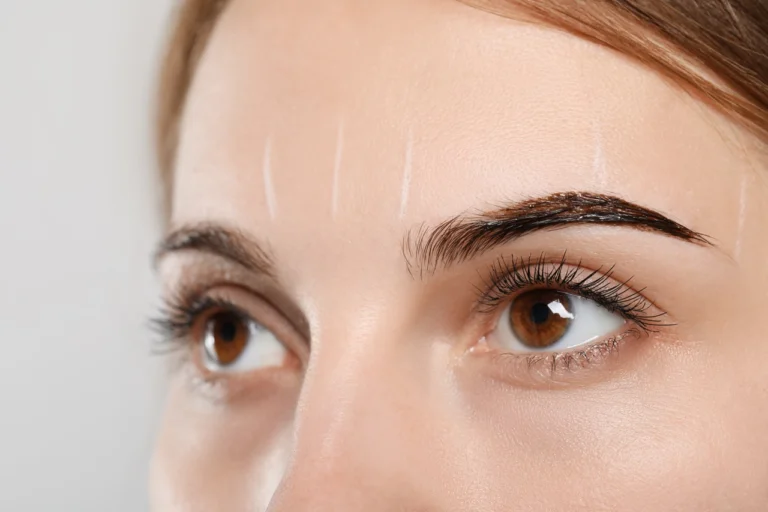
Brow Lift Basics: Overview of the Procedure
Knowing what happens during a brow lift procedure is the first step to understanding its possible complications. This surgery raises the skin and tissue above the eyebrows for a smoother and more lifted appearance.
Our surgeon may recommend one of several brow lift methods depending on your facial structure and goals. Each technique has its benefits and carries different risks.
Common Types of Brow Lift Procedures
Choosing the proper approach depends on your unique features and what you want to achieve, so here are the most common methods offered at Dr. Mark Plastic Surgery.
- Endoscopic brow lift: Our doctor uses a small camera and thin instruments placed through tiny incisions hidden in the hairline, which means less visible scarring and a faster recovery than traditional lifts.
- Coronal brow lift: This method involves an incision running from ear to ear across the scalp, which gives the surgeon wide access but increases the chance of numbness and longer healing.
- Limited incision brow lift: This approach uses shorter incisions at the temples and may pair with an eyelid lift, with less risk of extensive scarring but still requires careful care.
- Hairline brow lift: An incision along the hairline allows for brow lifting and minimal scalp movement, which suits patients with higher foreheads.
Each technique has pros and cons, and our surgeon will help you choose the safest method for you.
What Happens During and After a Brow Lift
During your brow lift, our surgeon lifts the brow and secures tissues in a higher position. Stitches or clips will close the incisions, and you will receive bandages or dressings to protect the area.
After surgery, mild swelling, bruising, or tightness are normal. We provide detailed instructions for care at home, which greatly decreases the risk for further problems.
Short-Term Brow Lift Complications
After surgery, patients sometimes face temporary issues as their bodies heal. These problems are often mild and improve with time.
Common Early Concerns
Most short-term complications surface soon after your surgery and usually resolve as healing progresses.
- Bruising and swelling: These side effects happen right after surgery but fade in a few days to weeks with cold compresses and head elevation.
- Minor pain or tightness: Some discomfort or pulling where tissues were lifted will ease quickly with over-the-counter pain relief.
- Incision redness: Temporary redness or mild irritation is common, especially within the first few weeks.
- Mild numbness: Loss of feeling near the incision site should improve over time as nerves recover.
- Itching: Some itching signals the area is healing, but call our office if it is intense or comes with hives.
Most of these issues respond well to our aftercare instructions and specialty creams if needed. Let us know if anything seems to worsen or if you feel concerned at any point.
Long-Term Brow Lift Complications
Some problems last longer or show up weeks or months after your brow lift. Knowing these risks helps you stay alert and seek care promptly.
Common Long-Term Problems
Long-term complications can affect comfort and brow appearance.
- Scarring: Visible scars can develop, especially with certain skin types or problems during healing. Careful closure by our surgical team and following aftercare are the best prevention.
- Prolonged numbness or tingling: Some nerves may take many months to recover or remain less sensitive for years.
- Asymmetry: Brows may heal unevenly, causing one brow to appear higher than the other. Subtle shifts are sometimes normal, but major differences may need revision.
- Hair loss along the scar: A thin or patchy line of hair loss may form if incisions affect deeper follicles. Occasionally, hair regrowth treatments or minor surgery restore density.
- Skin irregularities: Small lumps, dimples, or tight areas can appear if tissue heals unevenly.
- Infection: Rare but significant, infections need quick treatment with antibiotics or, occasionally, minor office procedures to clean the area.
Our team takes every step to decrease these risks and monitors your progress through each stage of recovery.
Permanent Nerve Injury
The procedure may rarely damage a larger sensory or motor nerve. This can cause lasting numbness or weakness in part of the brow or forehead. We use precautions to avoid this wherever possible, but these effects are sometimes permanent.
If you notice that the feeling does not return after six or more months, further evaluation may help distinguish which nerves were affected. Most people adapt well to minor numbness, although more severe nerve injury is very uncommon at our Scottsdale practice.
Rare and Serious Brow Lift Complications
While brow lifts enjoy a strong safety record, rare yet serious problems can occur after surgery. Our team wants every patient to understand these risks as part of making an informed choice.
Rare Major Complications
Our experience keeps these risks extremely low, but they do sometimes appear in complex cases.
- Severe infection: A deep infection can threaten skin or underlying tissue, which needs immediate antibiotics and sometimes hospital care.
- Hematoma formation: Large blood collections may form beneath the skin and require draining in our office. Rapid swelling or bruising days later may signal this problem.
- Skin necrosis: Poor blood supply can cause part of the skin to die, which delays healing and can leave a visible defect. Careful surgical technique helps prevent this outcome.
- Cerebrospinal fluid leak: Extremely rare and usually linked to deep incisions, clear fluid leaking from the wound may signal a breach of the inner skull lining.
- Pronounced asymmetry or facial paralysis: If nerve injury is severe, a section of the brow may lose movement, or the face may appear uneven.
- Allergic reaction: Some people react to surgical materials or dressings, which can cause swelling, rash, or delays in healing.
Prompt reporting and treatment make a big difference for all these issues. If you notice anything unusual or worrisome, call Dr. Mark Plastic Surgery as soon as possible.
Factors Increasing the Risk of Complications
Not every patient faces the same odds for complications. Several personal health and surgical choices change the risk profile.
Details about Personal and Surgical Risks
Certain health or personal history factors can raise the risk. Our Scottsdale surgeon thoroughly reviews your history before surgery to maximize safety.
- Age above 65 may lengthen healing and lower skin elasticity.
- Smoking or nicotine use slows blood flow and can worsen healing.
- Chronic health problems like diabetes or autoimmune disease increase the chance of infection or delayed healing.
- Use of blood-thinning medication can contribute to excess bruising or bleeding.
- A history of poor healing, scarring, or keloid development signals a higher risk for visible scarring.
- Choosing more extensive brow lift methods like coronal incisions increases the chance for numbness and a longer recovery.
Discussing these and any unique medical history points helps our doctor customize your surgery plan.
How We Prevent and Manage Brow Lift Complications
Proactive planning and quick action are the best tools for preventing complications. At Dr. Mark Plastic Surgery, we use tested safety protocols from pre-op through final follow-ups.
Steps Our Team Takes Before and After Surgery
Preventing complications starts before you ever enter the operating room. Here are the measures we take through your brow lift journey:
- Personalized planning: Our surgeon evaluates your skin, muscle, and bone structure, along with past medical history, to select the safest approach.
- Strict sterile techniques: The team uses advanced sterilization and infection control from start to finish, minimizing the risk of infection or poor healing.
- Careful incision placement: We hide incisions within the hairline or natural creases, which limits visible scars and helps the scalp heal more strongly.
- Nerve monitoring and protection: Our doctor uses magnification and precise dissection to avoid large nerves that control sensation and movement.
- Thorough patient education: We provide clear, written aftercare instructions and take time to answer all your questions during pre-surgical visits.
Action Steps If Problems Happen
If you face any unexpected problems after surgery, our team takes active steps to get things back on track quickly.
Managing milder problems can involve home remedies such as cool compresses, wound care, or prescription ointments for minor infections. If anything more serious develops, we schedule prompt visits to our Scottsdale office where our surgeon examines you and suggests the proper next steps.
For major complications such as deep infection or large fluid collection, hospital care may be needed. Very rarely, a second procedure corrects significant asymmetry or scar issues.
We reassure all our patients that help is always available, and we prioritize open communication if anything does not seem right during your recovery.
When to Contact the Surgeon: Warning Signs to Watch
Knowing when to reach out for help can prevent small issues from growing into bigger problems. Stay alert for any of these symptoms while you recover from your brow lift.
Warning Signs
After a brow lift, please contact our office immediately if you notice:
- Sudden or severe swelling: Rapid increase in swelling can indicate a hematoma or infection. Do not wait to see if it goes away.
- High fever or chills: These may signal a serious infection that needs antibiotics quickly.
- Worsening pain: Pain that intensifies rather than improves could mean a complication like nerve injury or deep infection.
- Excess drainage or pus: Persistent or foul-smelling discharge from incision sites needs quick evaluation.
- Loss of movement or numbness: Unexpected loss of brow or facial motion may indicate nerve involvement.
- Significant redness or heat: Spreading warmth and redness around stitches can mean infection.
Quick contact with our Scottsdale team helps us step in at the earliest stage, which leads to faster, more comfortable recovery.
Recovery Tips to Lower Brow Lift Complications
A smooth recovery depends on following several easy but important guidelines. Our surgeon has found these steps most effective for healing after a brow lift.
General Recovery Guidelines
- Keep your head elevated when sleeping and resting. This decreases swelling and helps speed healing.
- Use cool compresses on swollen areas as directed, but avoid direct ice on the skin.
- Take all medications exactly as prescribed, including antibiotics and pain relief.
- Avoid strenuous activities, bending, or lifting heavy objects for at least two weeks.
- Protect incisions from sunlight using hats or SPF once wounds are closed.
- Abstain from smoking or nicotine products for several weeks before and after surgery.
- Follow up with all scheduled appointments so our team can monitor your healing and address any concerns.
Consistent adherence to these instructions lowers your risk of complications and helps you achieve your best brow lift result.
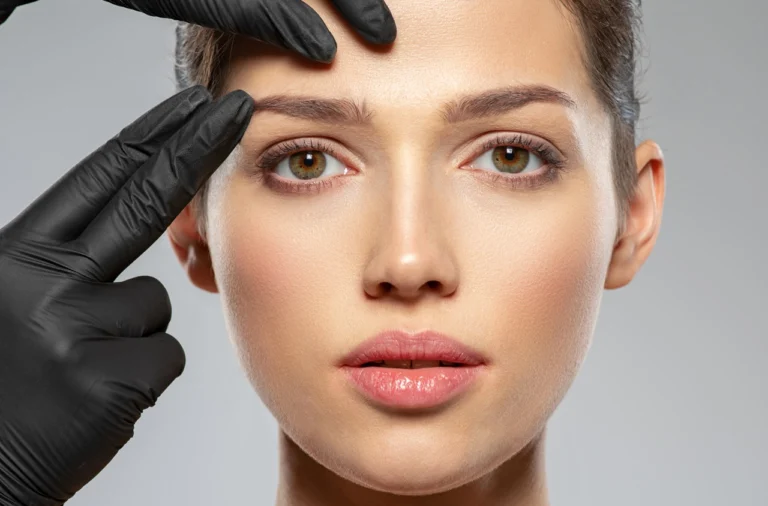
Making an Informed Decision about Brow Lift Surgery
Every patient who considers cosmetic surgery wants safe, lasting results. Knowing both the rewards and the risks prepares you for the best outcome.
Understand that complications happen rarely but can occur with any surgery, even in the best hands. Our Scottsdale surgeon prioritizes your safety and successful outcome at each step. Preparation, awareness of warning signs, and partnership with your surgical team all play a role.
Feeling informed empowers you to ask the right questions, follow care instructions, and notify us early if you notice something off. Our focus at Dr. Mark Plastic Surgery is to guide you through each stage, from the first meeting to your final result.
If you have questions about brow lift complications or want to see if the procedure suits you, schedule a consultation today. Our team looks forward to providing honest answers and expert care at every stage of your brow lift journey.