Revision Facelift in Scottsdale, AZ
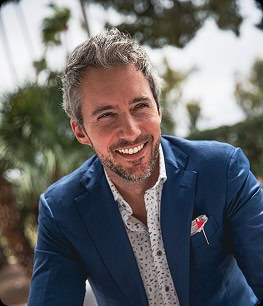

Revision Facelift in Scottsdale, Phoenix & Paradise Valley, performed by board-certified plastic surgeon Dr. Mark Gruszynski.
Revision Facelift in Scottsdale, Phoenix & Paradise Valley, performed by board-certified plastic surgeon Dr. Mark Gruszynski.
Did Your First Facelift Fall Short?
A facelift result can disappoint in two ways. It either never looked right or the years have caught back up with it. A revision facelift in Scottsdale is built to handle both situations.
This is a second operation that corrects or updates the results of an earlier one. Dr. Mark Gruszynski uses it to address problems like pulled skin, widened scars, or a stretched earlobe, and also to lift tissue that has dropped again over time. The plan depends entirely on what the first surgery did and what it left behind.
Scar tissue from the original lift changes your anatomy, so the work starts with mapping what is actually there before anything gets released. Support then shifts to the deeper layer so your skin stops carrying the tension. Dr. Mark can tell you what is realistic to correct and what is not.
Book your revision facelift consultation in Scottsdale and get an honest assessment.
Revision Facelift At a Glance
Benefits of a Revision Facelift
A second surgery can fix specific problems the first one created or left behind. Here is what it addresses most often.
Ideal Candidates
for a Revision Facelift
Two very different groups come in for this surgery, and the plans look nothing alike. Either you are here because a good result faded, or the result was never right for you.


At Least a Year Since Surgery
Scar tissue needs about twelve months to soften before a revision can be planned safely.


A Result That Looks Pulled
Your skin carried the tension the first time, which left your face tight rather than lifted.


A Stretched or Attached Earlobe
Your lobe sits pulled down onto your cheek instead of hanging free the way it should.

Scars That Widened or Show
Incision lines healed thick, drifted out of the crease, or moved your sideburn and hairline.


Sagging That Returned Over Time
Your first lift worked well, though ten or more years have passed and the tissue dropped again.

Enough Tissue Left to Work With
An aggressive first surgery limits how much a revision can move, so the exam sets what is possible.
Dr. Mark will tell you what a revision facelift in Scottsdale can realistically fix.
A revision consultation is your first step toward a straight answer.
How a Revision Facelift Corrects an Earlier Result
A first facelift leaves more behind than a result. Cutting and healing create scar tissue in every layer that was opened, and that tissue is thicker and far less flexible than what it replaced.
Scar tissue also tethers. It grabs onto nearby structures, so pulling in one spot drags on another, and that is how earlobes stretch downward and scars widen over time.
Many older lifts pulled mostly on skin. Skin was never built to hold a face up, so it stretches back out and leaves tightness near the ears while the center of your face sags again.
A revision facelift starts by finding where the first dissection went and where the scarring sits densest. Those bands are then released so the tissue underneath can move freely.
The lift shifts onto the deeper support layer instead of the skin, and the direction is corrected to travel upward rather than sideways. Old scars are cut out and closed with no tension across them.
“A revision facelift is a different operation than a first facelift. The tissue has been moved before, so I take more time in the consultation to understand what was done and what you want changed. Most patients are surprised by how much can still be improved.”
Revision Facelift Consultation At Our Scottsdale Office
This visit covers more history than a first facelift consultation does. Dr. Mark will ask when your original surgery happened, what technique was used, and what specifically bothers you about the result.
Bringing your operative reports and old photos makes a real difference here, since knowing which layer was treated shapes what a revision can do. A hands-on exam then checks scar position, tissue mobility, earlobe attachment, and how much laxity is left.
Our team walks you through the longer surgery, the slower healing, and the honest limits of what a second operation can reach. You leave our Scottsdale office with a clear picture rather than a sales pitch.
How to Prepare for Your Revision Facelift
Some of this prep starts weeks before surgery, since your history matters as much as your home setup. Here is what to get in order.

Operative Reports
Request records from your first surgeon, since knowing what was done shapes the entire surgical plan.


Photo Timeline
Gather photos from before and after your first lift so the changes over time are clear.


Wedge Pillow
Set up a wedge or firm pillows so you can sleep with your head raised for weeks.

Cold Compresses
Stock soft gel packs, since swelling after a second lift often settles unevenly at first.


Ride and Helper
Arrange a driver and someone who can stay with you through the first night.


Medication Review
Tell our team about every supplement and prescription, since several raise your risk of bleeding.
Solid prep makes revision facelift recovery in Scottsdale steadier from the start.
What are the Steps of a Revision Facelift
A second lift usually runs longer than the first, and you go home the same day. Here is how it unfolds.
Revision Facelift Techniques
Not every revision means lifting the whole face again, and the right scope depends on what went wrong. Here are the three approaches used most often.
Targeted Scar and Earlobe Correction
This is the smallest option, and it treats one specific problem instead of lifting the face again. Old scar tissue is removed and the earlobe is released and reset. It fits patients whose lift looks fine overall, though it rarely holds if the underlying tension was never addressed.
Full Secondary Lift
The deeper layer is released and repositioned the way it should have been the first time. This handles a pulled look, returned sagging, and distorted details in one operation. It is the most common revision plan, and it lasts longest since your skin no longer carries the load.
Volume-Based Refinement
Some faces were tightened when they should have been filled. Fat from your own body goes into the temples, cheeks, and areas near the mouth instead of pulling the tissue any further. This suits patients whose real problem is hollowness rather than sagging.
Revision Facelift Recovery Timeline
Recovery from a revision facelift in Scottsdale tends to run slower and less predictable than a first lift, since scar tissue heals on its own schedule. The pattern below is what most patients see.
Days 1-3
Swelling and tightness peak now, and you will rest with your head raised while the wrap stays on most of the day.
Days 4-7
Bruising spreads before it fades, and healing can feel slower than your first lift did. Sutures near the ear usually come out around day six.
Week 2
Most bruising clears and the scalp stitches come out, though firmness lingers where scar tissue was released. Many patients return to desk work.
Weeks 3-4
Your new contour starts to show as swelling drops, and you can add walking and light activity back into your week.
Weeks 6-8
Numbness fades slowly and can take longer than it did the first time, and full workouts are usually cleared around six weeks.
Months 3-12
New scars flatten and lighten across these months, and firm areas from released scar tissue soften on their own timeline.

Dr. Gruszynski’s Recovery Tips
- Sleep on your back, head elevated
- Massage firm areas only when cleared
- Use cool compresses, never direct ice
- Expect early swelling to look uneven
- Shield new scars from Arizona sun
Why Choose
Dr. Gruszynski for a Revision Facelift
A revision facelift in Scottsdale is harder than a first lift, since scar tissue hides the normal layers and there is less tissue left to work with. Dr. Mark maps what the first surgery did before planning anything, and old operative reports from your original surgeon help a great deal.
The correction usually comes down to moving tension off your skin and onto the deeper layer, then changing the direction the lift travels. Old scars are removed rather than reopened, so the new lines heal thinner.
You will also hear honestly what can and cannot be corrected, which matters more here than in any other facial procedure.
Frequently Asked
Questions About a Revision Facelift
Get in Touch!
Do you have questions or are you ready for a consultation? Fill out the form, and our team will reach out to schedule your visit.