
Puberty & “Man Boobs”: Will It Go Away?

Everyone expects some physical changes during puberty, but sometimes a change can feel surprising or even worrisome. For teenage boys and their parents, the sudden appearance of “man boobs” often raises questions and concerns about what is happening and how long it might last.
At Dr. Mark Plastic Surgery, our team speaks with many families, and we understand how common this is. Most teens wonder if gynecomastia will go away on its own or if it means something is medically wrong. Let’s walk through what you need to know and what steps to consider if you notice these changes.
Key Takeaways
Gynecomastia in Teen Boys: What You Should Know
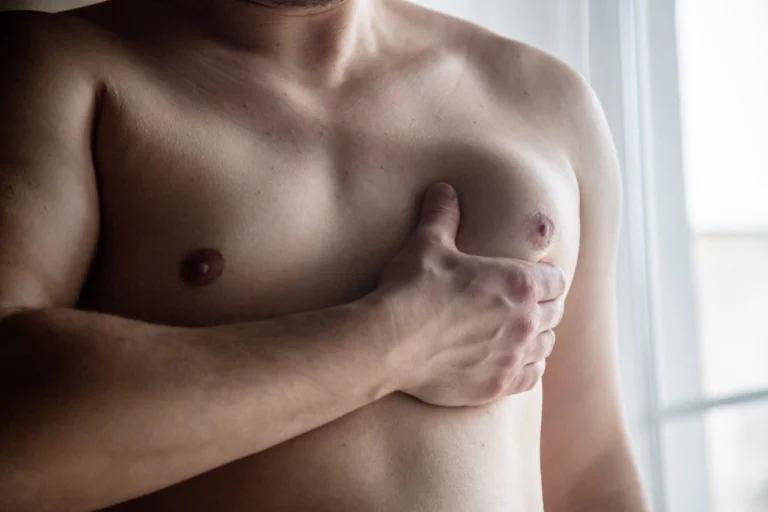
Many parents notice their sons developing what looks like small breasts or puffy nipples, usually between ages 11 and 16. This physical change describes gynecomastia, which is the benign swelling of male breast tissue.
For most boys, the growth feels soft and may be sensitive or tender to touch. Both breasts can be affected, but sometimes only one side appears larger. If you or your child is unsure about what you see, our surgeon at Dr. Mark Plastic Surgery can help confirm whether this is typical gynecomastia or something else.
What Causes Pubertal Gynecomastia?
Pubertal gynecomastia usually links back to shifting hormone levels. Testosterone and estrogen both play a role in male and female development. During puberty, these hormones can be out of balance as the body matures.
The temporary increase in estrogen causes glandular breast tissue to grow. This is not the same as fat accumulation, and it does not depend on weight or physical activity.
Recognizing the Physical Signs
Look for these signs if you suspect gynecomastia:
- Noticeable tissue beneath the nipple that feels firmer than the surrounding fat
- Swelling that appears slowly over weeks or months
- Mild tenderness or sensitivity in the affected area
Most cases do not involve pain or discharge. Any drainage, significant pain, or rapid lump growth should prompt a medical visit.
How Common Is Puberty-Related Gynecomastia?
Puberty affects every boy in different ways and at different rates. Breast tissue growth is far more common than many realize.
Most large studies show that almost 50 to 60 percent of boys will experience some breast tissue growth during adolescence. For most, this resolves as hormones reach new maturity and the body finds balance.
A smaller group, however, may see lingering changes into their late teens or even adulthood, which might need further evaluation.
Emotional Impact and Self-Esteem Concerns
Gynecomastia does more than create a physical change. It can also affect a teen’s emotional life. Some boys feel awkward about their shirts fitting differently or fear teasing at school.
At Dr. Mark Plastic Surgery, our doctor knows that these emotional hurdles are real, though not always talked about. Open communication with family, school counselors, or mental health professionals sometimes helps teens navigate this period.
Parents can make a difference by:
- Talking openly about bodily changes so boys feel comfortable discussing concerns
- Reassuring sons that this is common and not a sign of a health problem
- Encouraging participation in activities they enjoy, including swimming or sports
Support from family often eases stress and reminds teens that changes are usually temporary.
How Long Does Gynecomastia Last During Puberty?
Usually, pubertal gynecomastia disappears on its own. Most cases resolve within six months to two years without treatment. Certain boys may notice breast tissue shrinking slowly, while others see a faster return to normal.
If changes persist after age 17 or 18, or if new symptoms appear, our Scottsdale surgeon may recommend additional evaluation to rule out rare medical concerns.
When to Seek a Medical Evaluation
While most cases disappear naturally, some situations call for an exam by a doctor or a gynecomastia specialist. Our team at Dr. Mark Plastic Surgery often evaluates teen patients when:
- The breast lump appears only on one side and quickly grows
- There is noticeable pain, swelling, or any kind of discharge from the nipple
- Changes persist for more than two years
- There are additional signs like rapid weight gain, decreased facial or body hair, or small testicles
Early evaluation ensures your son receives the right guidance, rules out other causes, and offers peace of mind.
Main Causes of Teenage Gynecomastia
Most cases of gynecomastia in teens relate to natural changes in hormones. However, our surgeon explains that other causes are possible but less common. Here are the most frequent reasons:
- Hormonal Imbalance: The combination of increased estrogen and changing testosterone levels during puberty is the leading cause, and this usually resolves with time.
- Medications or Supplements: Some prescription drugs or anabolic steroids may trigger breast tissue growth in rare cases. Over-the-counter supplements and herbal remedies can sometimes cause effects as well.
- Underlying Health Conditions: Liver, kidney, or thyroid disorders can contribute, although these are very rare in teenagers.
- Obesity: Excess fat may make breast tissue appear more pronounced, but true gland growth is not the same as fat accumulation.
For most adolescents, gynecomastia is a harmless, hormone-driven process rather than a sign of serious health issues.
Many parents worry that a diet or limited exercise could cause gynecomastia. Our surgical team reassures families that unhealthy eating habits or skipping gym class do not cause gland growth, although maintaining a healthy lifestyle is always important for overall health.
Diagnosing Gynecomastia in Teenagers
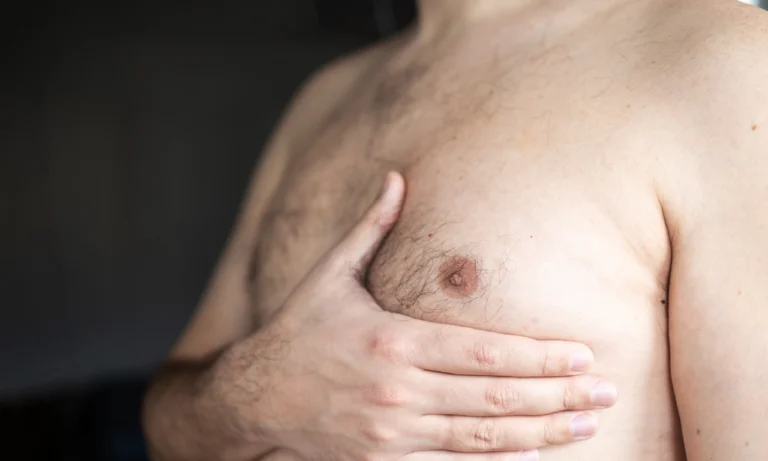
Parents and teens gain peace of mind once they know which signs are normal and which warrant concern. A typical medical evaluation for gynecomastia includes several steps.
What to Expect at a Consultation
At Dr. Mark Plastic Surgery in Scottsdale, our surgeon will:
- Review your child’s medical history and ask about when the symptoms began
- Examine the chest area to assess tissue firmness and rule out other conditions like cysts or fatty tissue
- Possibly order blood tests if your child has additional symptoms or if the breast growth has lasted longer than two years
The doctor rarely needs advanced imaging. Most cases in teens do not need scans unless there are unusual symptoms.
Other Conditions to Rule Out
Not every lump or bump in the male chest is gynecomastia. Medical evaluation rules out other possibilities, such as:
- Fatty tissue accumulation (pseudogynecomastia)
- Breast cysts or infections
- Very rare tumors or hormonal diseases
This thorough process offers reassurance and ensures your son receives appropriate guidance for his specific case.
Treatment Options for Teen Gynecomastia
Most cases of puberty-related gynecomastia do not require active treatment. Our surgeon encourages patience, as the majority resolve on their own with time.
Medical or male surgical treatments may be considered under special circumstances. Here are common options if intervention is necessary:
Watchful Waiting
Patience remains the best initial approach. Regular check-ups allow the doctor to monitor progress and answer any questions that come up over time.
Medical Therapy
Medications used to block estrogen or adjust hormone levels have been studied, but these are rarely suggested for healthy teens. Most side effects outweigh potential benefits at this age, and the tissue often resolves naturally.
Surgical Consultation
Surgery might be an option for boys who feel extreme embarrassment, experience pain, or whose breast tissue fails to disappear after several years. The surgeon can remove excess gland tissue through a small incision under the nipple, which often leads to a flat, natural chest contour.
At Dr. Mark Plastic Surgery, our team only considers surgery after other causes are ruled out and if at least two years have passed without improvement.
What About Lifting Weights or Diet Changes?
Regular exercise and balanced nutrition play a role in overall health and body confidence. However, weight lifting or dieting cannot change true glandular gynecomastia, although it might reduce surrounding fat.
Open conversation with our medical team can help teens make healthy lifestyle choices without expecting these to correct breast tissue growth directly.
Home Care and Support Strategies
Waiting for gynecomastia to resolve can feel frustrating for some teens. Supporting your son while watching for changes often helps.
Consider these home care tips:
- Choose loose-fitting shirts: This helps minimize how obvious the breast tissue appears and can boost confidence during social situations.
- Avoid teasing or drawing attention to the chest: Support and understanding from family members encourage positive feelings during this phase.
- Continue regular activities: Staying active and enjoying sports or friends helps distract from worries about appearance and keeps morale high.
- Schedule regular medical check-ins: Routine follow-ups allow for early recognition of any changes needing attention.
Parents and teens can always communicate concerns to our team, which helps keep everyone informed and reassured as changes take place.
When Gynecomastia Persists: Next Steps for Teens
Some adolescent boys do not see a full return to a flat chest, even after several years. Occasionally, persistent gynecomastia impacts daily life or self-confidence beyond what is manageable with support alone.
Our surgeon at Dr. Mark Plastic Surgery can assess stubborn cases and help guide treatment planning. Most surgical solutions are safe and effective when performed by an experienced provider. Teens considering surgery will need a full evaluation and realistic expectations after gynecomastia surgery, as these procedures are reserved for mature patients whose bodies have finished growing.
Open communication with your healthcare team, an understanding of the typical timeline, and ongoing support can give families direction if gynecomastia does not resolve on its own.

Moving Forward With Confidence
Puberty can introduce unexpected changes, and the development of gynecomastia is a common experience for many boys. As we discussed with Dr. Mark Plastic Surgery, most cases are minor, painless, and fade with time as hormone levels balance out.
Open family discussions and support help teens feel more secure and less alone during this period. Our surgeon encourages patience and emphasizes that most teens regain a natural chest contour without medical intervention.
If concerns persist, or if your son feels embarrassed or uncomfortable, the compassionate team at Dr. Mark Plastic Surgery stands ready to help. Reach out to our Scottsdale office if you have questions, need medical advice, or want to explore treatment options. This next step can provide clarity, reassurance, and individualized care for your family.