
Recovery Timeline After Gynecomastia Surgery
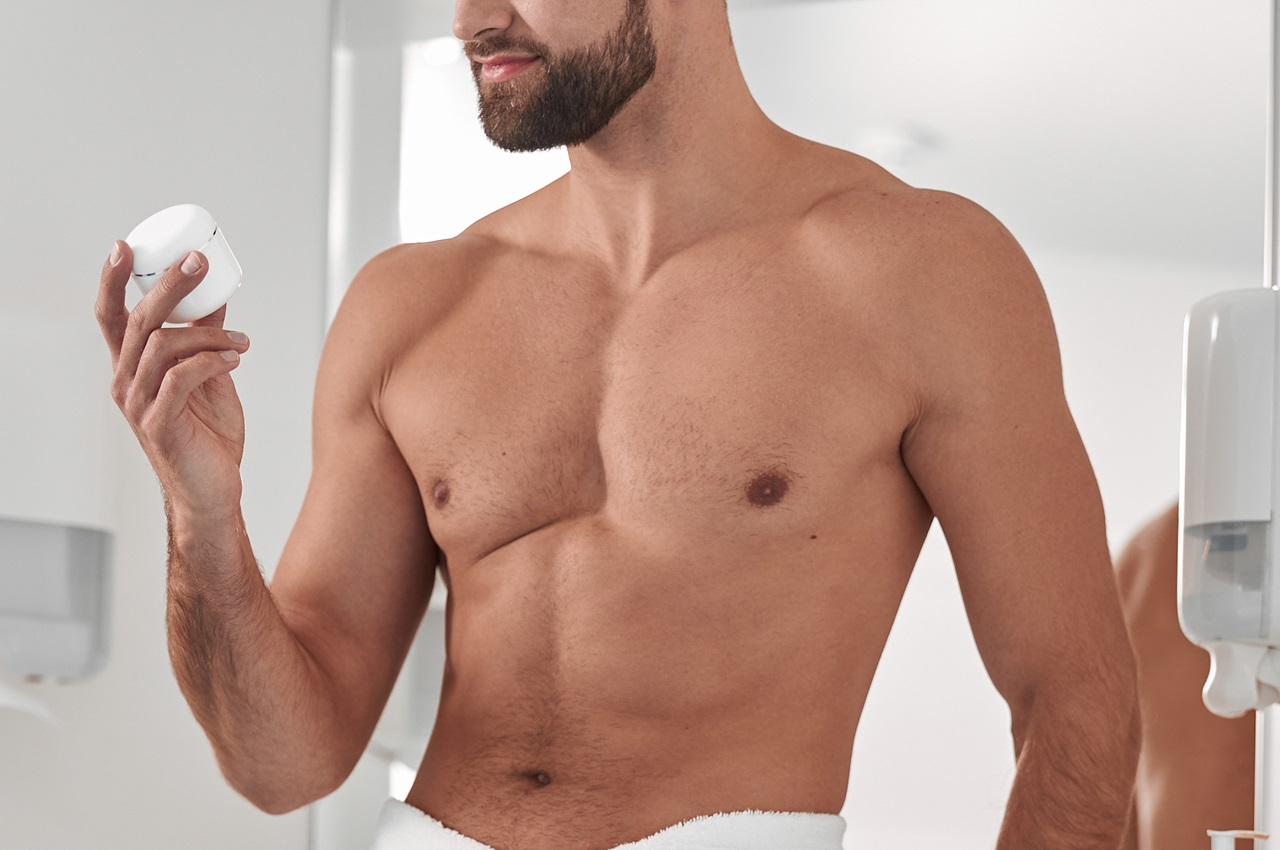
Gynecomastia surgery can quickly boost confidence and bring a sense of relief for men who struggle with enlarged breast tissue. Many patients who come to Dr. Mark Plastic Surgery in Scottsdale ask about the details of healing and how soon they will feel “like themselves” again.
We want you to feel prepared at every step, from the first days after surgery to the moment you feel comfortable in your clothes and routine. This article breaks down each phase of the recovery process, so you can focus on your goals and plan for a smooth return to daily life.
Key Takeaways
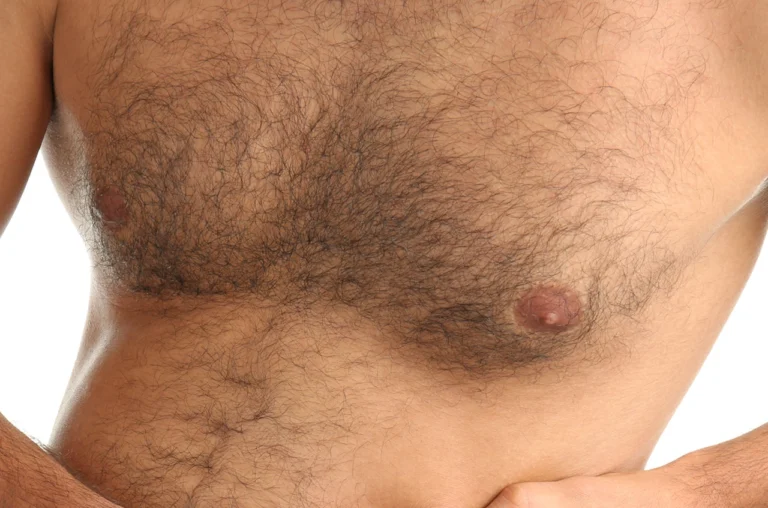
What To Expect Immediately After Gynecomastia Surgery
Post-surgery care during the first few days sets the stage for a healthy recovery. Most patients notice dressings, swelling, and some soreness once they wake up from anesthesia.
The First 24–48 Hours
Mild to moderate pain is normal during this window. Our doctor prescribes medication to manage your discomfort, and you should rest as much as possible. You will also wear a compression garment, which controls swelling and keeps the healing tissues in place.
Keeping this on is essential, except when showering, if instructed.
Your chest will feel tight and possibly look bruised or swollen. Most patients go home the same day, but must have an adult drive them and supervise all activities for the next day or two.
Monitoring for Early Complications
Rare complications can occur right away. Watch closely for symptoms like spreading redness, intense pain not relieved by medication, fever, drainage, or chest swelling that increases quickly. If anything seems unusual, you should contact our team for guidance.
Rapid intervention keeps you safe and ensures the best cosmetic results.
Hydration, gentle walking around your home, and keeping your upper body elevated can minimize swelling. Nearly all patients feel improvement by the end of the first week.
Week-by-Week Recovery Timeline: Progress, Changes, and Restrictions
Timing plays a big role in how your body recovers after plastic surgery, such as male breast reduction. While every patient heals differently, many people follow a similar pattern through the main phases of recovery.
Week 1: Rest, Ice, and Gentle Care
Plan to rest for several days after your procedure. Our surgeon recommends that you sleep on your back with your upper body slightly elevated. You should avoid lifting, stretching, or vigorous movement, as these actions can delay healing.
Most swelling, bruising, and general discomfort appear during this early period. Wearing a compression garment as instructed helps reduce these effects. Many patients take prescribed medications only for the first few days and then switch to over-the-counter pain relievers.
Short walks at home support blood flow and reduce your risk for blood clots.
During this period, you should not drive or return to work unless you have clearance from our doctor and your job is very sedentary.
Week 2: Light Movement and Early Return to Activities
Improvements usually speed up during the second week. Many patients start feeling more like themselves, though some swelling or firmness may still be present. At this stage, office visits allow our surgeon to check on your progress and remove any stitches if needed.
Most people can return to light work (such as a desk job) by the end of week two, provided there is no heavy lifting or strenuous activity involved. Gentle, easy movement is encouraged, but you must avoid the gym, swimming, and all high-impact activities.
Weeks 3–4: Gradual Activity and Visible Changes
Swelling and soreness continue to improve significantly during weeks three and four. Many patients feel comfortable going back to most regular activities, and some may begin light exercise like walking outside. You may be able to stop wearing the compression garment depending on our surgeon’s evaluation.
At this stage, bruising has usually peaked and faded, and you can begin to appreciate early results in chest contour. However, some pressure or sensitivity may linger, which is completely normal.
Weeks 5–8 and Beyond: Settling in and Long-Term Recovery
By weeks five to eight, the healing process has advanced far enough for most patients to return to full exercise, including jogging and weightlifting, with the surgeon’s approval. At this point, the chest has taken shape, and scars begin maturing.
Patients should continue to keep incisions out of direct sunlight and apply scar cream if our team recommends it. Any remaining swelling resolves slowly over the next few months. By the three- to six-month mark, most men notice their chest looks natural and feels soft.
Common Symptoms and Side Effects During Healing
Patients often ask about what is normal to feel and see during each stage of recovery. These symptoms can change as the weeks go by.
Swelling is the most noticeable symptom during the first two weeks. Bruising is also common, especially right after surgery, and may move lower as gravity shifts fluids. Numbness or altered sensation can happen along the chest or nipples.
Most patients find this improves steadily as nerves recover over time.
Some firmness or lumpiness at the incision sites can occur, and it is common to feel “tightness” in the chest. Mild itching as the skin heals also occurs. If you experience sudden pain, intense redness, pus, or fever, these are signs that need prompt attention from our office.
Remember, each body heals at its own pace. With good self-care and communication, almost all individuals see their symptoms improve week by week.

Returning to Normal Life: Work, Exercise, and Other Activities
Questions about returning to work or starting exercise routines are very common after gynecomastia surgery. You avoid unexpected setbacks and achieve the best possible results once you know what to expect.
The Right Time to Resume Activities
Plan for two weeks off from physically demanding jobs. Most patients who work at a desk can return earlier, especially if their duties do not require heavy lifting or lots of movement. Our surgeon will let you know a safe timeline at your first follow-up visit.
Exercise and Physical Activity Guidelines
Light walking is encouraged within the first week. However, avoid pressing, pushing, lifting, or overhead activities during the first four weeks to support proper healing. You may be allowed to start building up intensity after your one-month checkup, especially if there is no discomfort or swelling.
Swimming and contact sports should wait at least six weeks after surgery. Returning too soon can lead to setbacks or less ideal cosmetic results.
Driving and Social Activities
Use caution before driving a car. You need to be off all prescription pain medication and able to react fully in an emergency. Most men feel ready to drive after a week.
Social activities, including events and dining out, are often easier after the second week unless they require significant movement or travel.
The Importance of Compression Garments
Compression garments play a vital role in shaping your results and controlling swelling. You must wear these as instructed by our surgeon or nursing staff.
Reasons for Compression Garments After Surgery
- Reduced Swelling: These garments minimize fluid buildup, help tissue settle quickly, and make the chest look smoother.
- Improved Contour: Gentle pressure ensures that tissues heal in the right position, preventing folds or irregularities.
- Scar Prevention: Consistent wear helps incisions stay flat and blend in with the surrounding skin.
You may need to wear compression gear day and night for at least two weeks, followed by a period of daytime-only use. Skipping this step can delay healing or affect your final results.
Our dedicated Scottsdale team makes sure you get a proper fit. We are always ready to provide advice about garment care or troubleshoot any discomfort.
Scar Care and Appearance Over Time
Most men worry about scars after gynecomastia surgery, but with good care, these marks tend to fade with time. Our Scottsdale plastic surgeon places incisions in natural creases or around the edge of the nipple to hide them.
Key Steps to Support Healthy Scars
Patients must keep incisions clean and dry during the first week. Pat gently and avoid rubbing the area when bathing. After stitches come out or the skin has closed, you may begin applying a recommended scar cream or ointment.
Limiting sun exposure prevents darkening or thickening of scars. You should always wear sunscreen or keep your skin covered for at least the first six months.
Most scars flatten steadily over six to twelve months. Any irregularity or thickness can improve with targeted treatment, such as silicone sheets or massage, under our team’s instructions.
Signs of a Healthy Recovery and When to Call the Doctor
Knowing what to expect allows you to respond quickly if something unusual happens. Most patients heal without major problems, but there are a few signs you should watch for.
- Persistent or Spreading Redness: Worsening redness at the incision site can signal infection and should be reviewed quickly.
- Uncontrolled Swelling or Sudden Expansion: Large, rapid swelling or bruising may point to fluid collection or bleeding.
- Fever or Chills: New fevers may need evaluation, especially in the first week after surgery.
- Severe Pain Not Managed by Medication: Extreme discomfort beyond the expected level can suggest a problem.
- Foul-smelling or Pus-Like Drainage: Changes in wound appearance might point to infection.
Contact our office if you notice any of these symptoms. Prompt action helps keep your results on track.
Tips for the Smoothest Gynecomastia Surgery Recovery
You can set yourself up for the best possible healing by following a few key habits and lifestyle choices.
- Rest and Elevation: Prioritize good sleep and prop yourself up, especially during the first week.
- Nutritious Eating: Choose foods rich in lean protein, vegetables, and healthy fats to fuel tissue repair.
- Stay Hydrated: Drink enough liquids during recovery to avoid dehydration and support your immune system.
- Avoid Alcohol and Smoking: These substances interfere with circulation and scar quality, slowing healing.
- Keep Scheduled Follow-Ups: Regular visits allow our doctor to catch small issues and give you tailored advice.
Healthy habits and following your care plan are the foundation for a strong recovery. Taking the time to heal helps you feel confident with your new chest contour for years ahead.
What Long-Term Results Can You Expect?
Patients generally enjoy a flatter, firmer chest once all swelling resolves. Results hold up well over time as long as the weight remains stable. Growth of new breast tissue is uncommon after surgery, though major changes in hormones or body weight could affect the chest contour.
Incision scars fade for up to a year, and most people barely notice them after several months. Ongoing self-care, fitness, and regular medical checkups help protect your long-term outcome.
If you ever have questions about changes to your results or concerns about your healing, our Scottsdale team is here to offer ongoing guidance and support.
The Dr. Mark Plastic Surgery Difference
Undergoing gynecomastia surgery can offer a major boost to confidence and comfort. Knowing the full recovery timeline helps you set realistic expectations and manage your day-to-day experience along the way.
Our team at Dr. Mark Plastic Surgery cares deeply about seeing each patient through every phase of healing, from your first appointment to your final results. We believe clear instructions, good communication, and responsive follow-up allow you to recover more quickly and with greater comfort.
If your gynecomastia is persistent and you are considering surgery or have questions about your healing process, reach out to our Scottsdale office to schedule a private consultation. Our surgeon will discuss your unique needs, answer your questions, and build a plan that supports your best outcome. Your journey to a more confident self can start with a single conversation.