
Full Body Lift vs. Lower Body Lift
At Dr. Mark Plastic Surgery, conversations about body contouring surgery often come up with patients who have seen major weight changes or have finished weight loss journeys. Many people look in the mirror and notice loose skin, sagging in certain areas, or changes in body shape that just do not improve with any amount of diet or exercise.
Our team in Scottsdale talks with both men and women considering body lift procedures. Some want to address loose skin in multiple places, while others mainly worry about their lower body shape. The choice between a full body lift and a lower body lift affects your recovery, results, and how you feel in your body for years to come.
This article explains everything you need to know to help you make the right choice for your goals and body.
Key Takeaways
A Clear Guide to Full Body Lift Surgery
If loose or sagging skin occurs in several areas after significant weight loss or pregnancy, a full body lift might address multiple concerns in a single operation. This option helps people who want dramatic changes when many parts of the body need skin tightening.
What Full Body Lift Involves
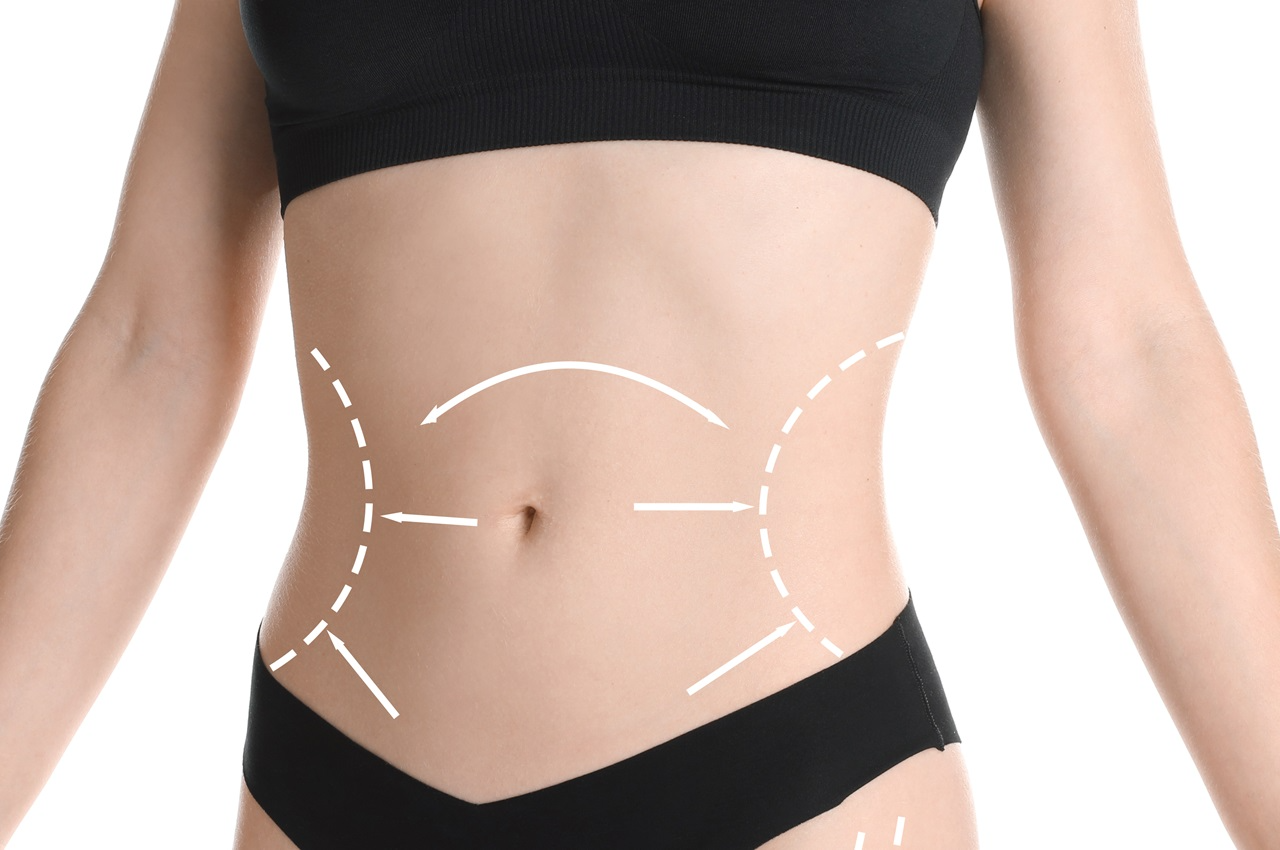
A full body lift combines several lifting techniques in one surgical event. As a comprehensive form of body plastic surgery, our surgeon typically addresses the abdomen, hips, outer thighs, lower back, and buttocks in a single, highly coordinated stage. Some patients also include arm lifts as part of a full-body transformation.
During a full body lift at our Scottsdale location, the surgeon removes excess skin, repairs underlying tissue, and tightens remaining skin to leave smoother, firmer contours. The surgery usually takes several hours. For safety, general anesthesia is always required.
Full Body Lift Incisions and Scarring
Incision locations are designed to be as hidden as possible. Most commonly, incisions circle the lower torso and may extend to the inner thighs or upper body. Our doctor chooses incision patterns based on how much skin requires removal and which areas need the greatest support.
Scars after a full body lift are permanent, though they fade over time and can often be concealed under clothing. At Dr. Mark Plastic Surgery, we educate every patient on scar care and healing strategies so you can achieve the best possible result with the least visible scarring.
Types of Patients Who Benefit
Full body lift surgery usually fits people who have lost a large amount of weight and see skin that sags over many different regions. This is especially common after bariatric surgery or after years of obesity. It also helps those whose skin has lost elasticity with age and needs tighter, smoother contours across the trunk and thighs.
Our surgical team recommends that you maintain a stable weight for at least 6 months before considering a full body lift. Health conditions such as heart disease, diabetes, or impaired healing can affect your eligibility.
A Clear Guide to Lower Body Lift Surgery
A lower body lift focuses primarily on the midsection and the lower half of the body. Our practice often suggests this to people with looseness below the belt line who want to improve their lower abdomen and thighs.
What Lower Body Lift Involves
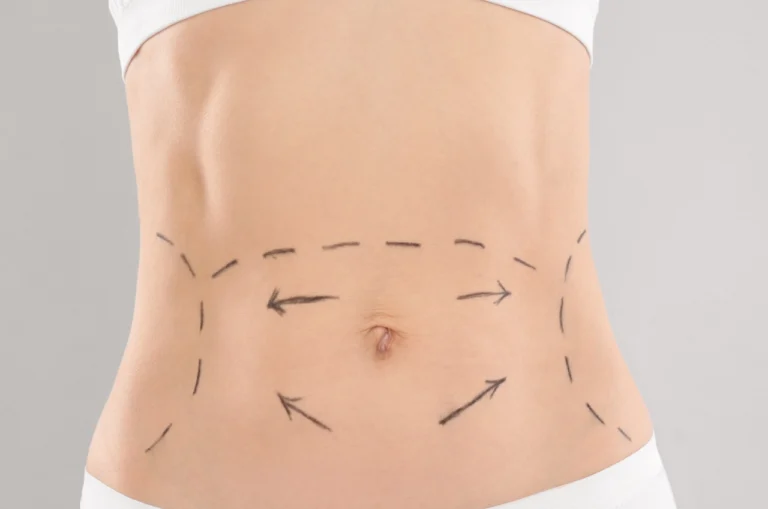
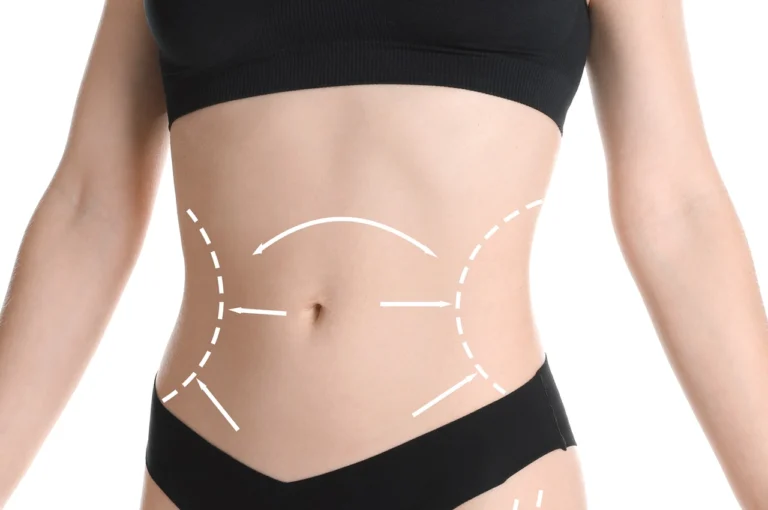
A lower body lift addresses sagging skin and shape problems across the midsection. Often referred to interchangeably with a 360 body lift, this procedure utilizes a circumferential incision along the belt line to lift and remove extra skin and fat, dramatically tightening the lower torso.
This approach lifts and smooths your lower body in one stage, which gives you a trimmer waist, firmer buttocks, and improved thigh contours. Our team provides top-tier plastic surgery in Scottsdale with sedation or general anesthesia for maximum comfort.
Lower Body Lift Incisions and Healing
Incisions for a lower body lift are usually placed so they follow natural contours and are hidden by underwear or swimwear. The scar runs along the lower abdomen, around the hips, and across the lower back. Early healing requires wearing special garments to help reduce swelling and support the new body shape.
Over several months, swelling decreases, scars fade, and your new contours become more noticeable. Our support extends through your recovery and involves routine follow-up visits and clear aftercare instructions.
Best Candidates for Lower Body Lift
Lower body lift surgery is best for people who have lost a moderate or large amount of weight, but their main concerns center on their abdomen, buttocks, hips, or thighs. Good candidates have stable weight, healthy skin, and realistic expectations.
If upper body areas such as the chest or upper arms do not trouble you, this procedure may suit your needs perfectly. A thoughtful consultation with our surgeon helps ensure that a lower body lift matches your body type and personal targets.
Comparing Full Body Lift and Lower Body Lift
Distinguishing between a full body lift and a lower body lift involves comparing many aspects. The type of lift you choose impacts both your results and your recovery process. Here are several key differences.
Areas Treated
Full body lift surgery covers both upper and lower body regions, while a lower body lift limits its focus to the lower abdomen, thighs, hips, and buttocks.
If skin laxity appears across your trunk, thighs, arms, and back, a full body lift offers a more comprehensive correction. If the main issues occur below the waist, a lower body lift is usually enough.
Surgical Time and Complexity
Full body lift procedures take longer and require more detailed planning than a lower body lift. Since multiple areas are included, the surgical process involves complex repositioning and closure techniques.
Our Scottsdale surgeon often completes lower body lifts in less time, usually four to six hours, whereas a full body lift can extend beyond that, depending on the number of combined procedures.
Incision Patterns
The placement and length of incisions also differ. Full body lifts use long incisions across both the torso and, when indicated, the upper body or arms. Lower body lifts use a single horizontal incision low on the torso.
Each patient’s incisions and likely scarring are discussed in detail during your consultation, so you always know what to expect.
Recovery Time
Both procedures involve downtime, but full body lift recovery takes longer because of the larger number of areas treated. Most patients need two to eight weeks for early healing after a full body lift and may need more time to fully return to all activities.
Lower body lift patients often resume light movement in 1 to 2 weeks, with a total recovery time closer to 4 to 6 weeks. Our team customizes your aftercare plan to fit your procedure.
Deciding Which Surgery Is Right for You
A lift procedure is a meaningful commitment, so you should choose the option that best fits both your concerns and your lifestyle. Our team at Dr. Mark Plastic Surgery guides every patient through a careful decision process, so you get the outcome you envision.
Key Factors to Consider
When deciding which surgery to pursue, you and our surgeon will discuss:
- Goals for appearance: Define which areas of skin laxity bother you most.
- Health status: Assess overall health and any previous surgeries.
- Recovery expectations: Align your time-off needs and support network with the required healing time.
- Future plans: Consider upcoming pregnancies or major weight changes, since these affect long-term results.
Make sure to ask questions, review before and after photos, and honestly share your priorities during your consultation.
Common Patient Priorities
Our patients are bringing up full-body lifts often:
- Have excess or loose skin in both upper and lower body regions
- Want the most dramatic single-stage transformation possible
- Feel ready to commit to the longest recovery period for maximum benefit
Lower body lift patients tend to:
- See skin laxity mostly from the waist down
- Prefer a shorter healing window
- Want the smallest incisions and scars possible
Identifying what matters most to you will simplify your choice and lead to better satisfaction in the end.
What People Experience During Recovery
Healing after body lift surgery includes both physical and emotional milestones. Every patient follows a slightly different path, but knowing what usually happens helps you prepare.
Early Recovery Timeline
You can expect initial swelling and bruising for 2 to 4 weeks after either procedure. In the first week, our surgical team encourages slow movement, such as gentle walks, to support circulation.
Drains may be placed under the skin for a short time to reduce fluid buildup. Most people return to light desk work within two to three weeks for a lower body lift, and three to four weeks for a full body lift.
Pain and discomfort get managed with prescription medication, so you can rest and heal properly.
Full Healing and Lifestyle
Scarring will soften and lighten over 12 months, and the final shape will settle over several months. Wearing compression garments, staying hydrated, and eating a balanced diet all support faster healing and optimal results.
Our aftercare includes regular follow-ups, scar management tips, and access to our team whenever concerns arise. Engaging consistent self-care habits during recovery enhances comfort and your long-term outcome.
Full Body Lift and Lower Body Lift: Pros and Cons
We recognize that expectations, benefits, and risks vary between these two procedures. The list below clarifies some core differences to guide your decisions.
Patients at our practice often compare the following factors:
- Transformation: Full body lift brings changes to more areas, while a lower body lift offers targeted results that are still very noticeable.
- Surgical size: A full body lift requires a longer time in surgery and more recuperation. Lower body lift is less invasive and often has a quicker recovery.
- Risks: Both surgeries carry risks such as bleeding, scarring, or infection, but these increase with the size and scope of a full body lift.
- Cost: Full body lifts usually cost more due to longer surgical time and facility use.
- Scarring and satisfaction: Scars are a reality of both procedures, but many patients feel the tradeoff is worth it for a tight, smooth figure.
Choosing either surgery leads to a major improvement in comfort, appearance, and confidence with proper care.
Maintaining Results After Surgery
Long-term success following a body lift comes from adopting steady habits and healthy routines in your daily life. Many people feel a sense of pride in keeping their new contours for years after healing finishes.
Tips to Protect Your Investment
After body lift procedures, try to:
- Keep your weight steady, avoiding big ups and downs.
- Build physical activity into your daily schedule.
- Stick to a balanced diet rich in protein, fiber, fruits, and vegetables.
- Use good sun protection on scar lines.
- Attend every post-op check with our surgeon, and catch problems early.
Our Scottsdale office supports you at every stage from surgery through long-term check-ups, so you feel good about your progress.
If you ever plan for pregnancy or further weight loss, discuss these with our doctor in advance. Planning ahead helps protect your results and prevent new skin laxity.
What to Expect in a Consultation at Dr. Mark Plastic Surgery
Scheduling a surgical consultation means you take the next step toward feeling comfortable in your body again. Our Scottsdale team welcomes any questions and provides expert guidance from start to finish.
Steps in Your Consultation
Once you arrive at our office, we will:
- Discuss your concerns: You describe what bothers you and show any body areas that affect your confidence or comfort.
- Examine and assess: Our doctor checks your skin quality, areas with the most laxity, previous scars, and overall health history.
- Explain your options: We outline every suitable procedure, including full and lower body lifts, and discuss what to expect.
- Review safety and healing plan: We share details about operating rooms, anesthesia, and recovery support for your peace of mind.
- Answer questions: All your questions about surgery, recovery, and cost receive clear answers, so you leave well-informed.
Once you and our skilled and credentialed surgeon choose a plan, we schedule your surgery and help you prepare for a smooth experience.
Moving Forward with Confidence About Body Lift Surgery
Learning about full-body lift and lower-body lift procedures opens the door to a major boost in body comfort and self-assurance. Both surgeries have helped many people reclaim smoother body lines after weight loss, pregnancy, or years of skin changes.
Deciding between these options comes down to your needs, health, and personal vision for your body shape. Our team at Dr. Mark Plastic Surgery stands with you from the first conversation through follow-up care, so your journey feels safe and supported.
If you feel ready to discuss what is possible, contact our Scottsdale practice today to book your private consultation. Our surgeon will help you discover the surgical plan that fits both your goals and your life, so you can look ahead with excitement and peace of mind.