
Who’s a Good Blepharoplasty Candidate
At some point, tired-looking eyes and drooping eyelids can make you look older or more fatigued than you really feel. People often want a refreshed appearance as well as better vision, especially when excess skin begins to obstruct their sight.
At Dr. Mark Plastic Surgery in Scottsdale, we help many patients find real answers through blepharoplasty, which is also known as eyelid surgery. This article explains who makes a good candidate for this procedure and what you should know before considering surgery. Begin by learning the essentials below, then decide if this approach may be the right fit for you.
Key Takeaways
What Is Blepharoplasty?
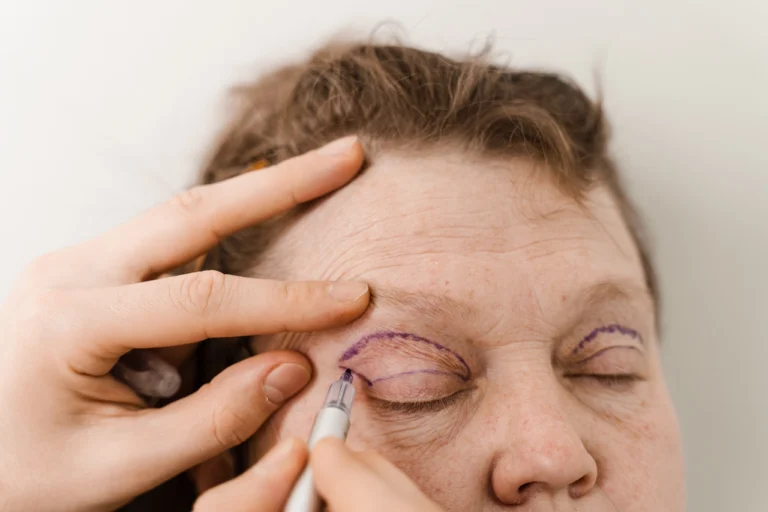
Eyelid surgery, or blepharoplasty, reshapes the upper or lower eyelids by removing excess skin, muscle, and sometimes fat. People often choose this procedure for both cosmetic appeal and to fix vision issues caused by drooping eyelids.
Our surgeon uses precise techniques to deliver natural improvements while minimizing visible scarring. In some cases, both upper and lower lids require treatment for the best results. Every approach is tailored to the individual, taking into account facial anatomy and the unique structure of your eyes.
Who Seeks Blepharoplasty?
Many people wonder who actually chooses eyelid surgery, and what motivates them. Patients often seek out our surgical team for several reasons.
Common Cosmetic Motivations
- Excess skin that creates a tired or sad appearance
- Under-eye bags that make the face look puffy
- Wrinkles and fine lines around the eyes
- Desire for a more refreshed, alert look
Functional Reasons
Some individuals turn to blepharoplasty for practical, health-related needs. These may include:
- Eyelid sagging that obscures vision
- Difficulty wearing glasses or contact lenses due to excess skin
- Irritation from the folds rubbing against the eye
Patients from many backgrounds see improvements in both comfort and self-confidence after surgery. A personal consultation helps clarify if your specific concerns match those commonly treated through blepharoplasty.
Characteristics of Good Candidates
Deciding if blepharoplasty is right for you depends on more than simply wanting to change your eyes. Our surgeon carefully evaluates several qualities in potential candidates.
Physical Qualities
Healthy adults generally make the best candidates. Good skin elasticity in the eyelid area supports better healing and lasting results. People with no serious eye diseases or chronic conditions can usually proceed safely.
Emotional Readiness
Psychological readiness is just as important as physical health. Candidates should have clear, realistic expectations for their results. Plastic surgery can boost confidence, yet it may not “fix” other concerns outside the eyelid area.
Lifestyle and Habits
Nonsmokers usually experience much smoother healing. If you smoke or use nicotine, we recommend quitting weeks before and after surgery. Good nutrition, regular sleep, and responsible sun protection also help set the stage for surgical success.
Who May Not Be a Candidate?
While many people can benefit from eyelid surgery, certain factors can limit eligibility. Take these into account to help ensure a safe and effective experience.
Medical Conditions That May Interfere
Some health issues can raise the risks of surgery or slow recovery. These include:
- Uncontrolled diabetes
- High blood pressure that is not well managed
- Serious heart or lung problems
- Blood-clotting disorders
Eye conditions such as severe dry eye, glaucoma, or retinal disease may also rule out blepharoplasty. Our doctor will consult closely with you, and sometimes with your other specialists, before making a decision.
Unrealistic Objectives
People who expect perfection or who seek drastic change to their entire facial structure may not find satisfaction with eyelid surgery alone. The best candidates view blepharoplasty as one element of a larger approach to self-care.
Other Factors
Recent eye trauma, untreated infections, or certain medications may delay surgery. Inform our surgeon of your full health history so we can plan safely.
Age and Blepharoplasty: What to Consider
While eyelid surgery often appeals to individuals over age 40, age itself does not determine candidacy. Instead, the need for surgery depends on your anatomy, lifestyle, and desired results.
Many people in their 30s and even late 20s experience early signs of eyelid issues due to genetics. Sometimes, heavy eyelids or noticeable under-eye fullness runs in families. Older patients often see more extensive skin laxity and may combine blepharoplasty with other facial procedures.
Talking openly about age-related concerns during your consultation helps us offer honest guidance that fits your situation.
The Blepharoplasty Candidacy Checklist
If you wonder whether this facial plastic surgery might suit you, review these key points. Use this list to focus your questions for your consultation at our Scottsdale office.
- Symptom severity: Noticeable drooping, bulging fat, or excess skin that you can see or feel
- Impact on daily life: Difficulty reading, driving, or seeing clearly due to eyelid sagging
- General health: No uncontrolled medical problems and no recent eye infections
- Skin quality: Moderate elasticity, which helps with quicker recovery
- Motivation: Personal desire for improvement rather than pressure from others
- Expectations: Surgery optimizes structural balance and functional performance while respecting the core features that make your face unique
Bringing awareness of these factors to your consultation helps us recommend the best plan for you.
The Consultation: Determining If You Are a Candidate
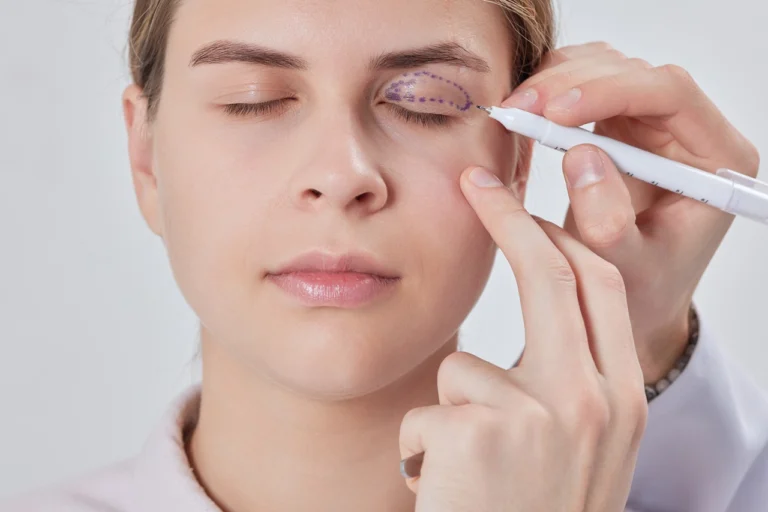
Our team at Dr. Mark Plastic Surgery conducts a detailed consultation for every prospective eyelid surgery patient in Scottsdale. This visit includes an in-depth discussion and a careful eye examination.
What We Review
We check medical history, current medications, and lifestyle. Our surgeon also asks about any previous eye surgery or chronic eye conditions. You have a chance to describe your concerns and describe what changes you hope to see.
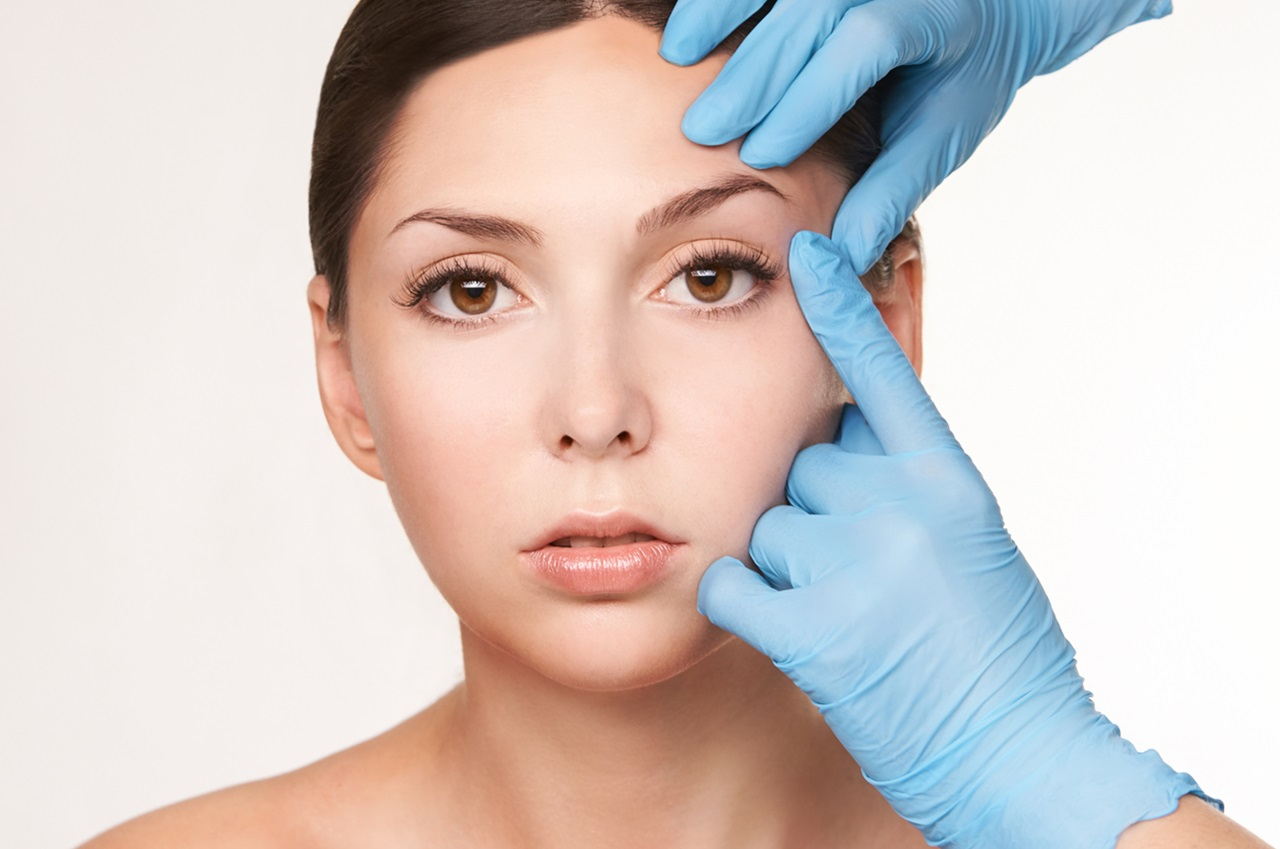
We perform a focused physical exam of the eye area. This process includes measuring the thickness and laxity of your eyelid skin, the position of any excess fat, and your eyebrow alignment. Sometimes, we use temporary skin lifts in the office to simulate potential results.
Special Considerations
People with dry eyes, thyroid disease, or autoimmune disorders may need extra evaluation before going forward. Our doctor sometimes recommends testing by an eye specialist before proceeding with surgery.
The goal of the consultation is to create a customized surgical plan that meets your needs safely.
Different Types of Blepharoplasty Candidates
Patients can receive upper, lower, or combination eyelid surgery based on their concerns. Our approach varies according to the type and severity of eyelid changes.
Upper Eyelid Candidates
People who notice extra upper eyelid skin, drooping, or partial vision obstruction may benefit from upper blepharoplasty. Removing excess skin often creates a more open, rested look and can enhance visual function.
Lower Eyelid Candidates
Lower blepharoplasty works best for those with persistent under-eye bags or bulges. This procedure primarily targets puffiness due to fat deposits or sagging skin. Mild to moderate cases usually see the best results.
Combination Candidates
Individuals with concerns in both the upper and lower lids may be candidates for combined surgery. Combining both areas in a single procedure can create a balanced appearance and may reduce overall recovery time.
What Blepharoplasty Cannot Fix
Eyelid surgery brings noticeable improvements, but certain issues may not change much through this procedure. You feel far more confident and satisfied with your results when you align your personal goals with achievable surgical outcomes.
Blepharoplasty does not lift sagging eyebrows, erase deep wrinkles far from the eyes, or correct dark pigment circles due to skin color alone. People seeking broader facial changes should explore alternative or additional cosmetic procedures. Our surgeon will explain if another approach or combination is better suited for your goals.
What Candidates Need to Know
Good preparation increases the chances of an easy surgery and smooth recovery. Our surgical team guides each patient step by step through a tailored pre-operative plan.
We recommend avoiding certain medications, like aspirin, that may thin the blood. Smoking restrictions and guidance on prescription medicines will help control bleeding and support healing. Patients complete basic health screenings and follow clear directions about eating and drinking before surgery.
Arranging reliable transportation and a comfortable recovery space at home are vital. Advance planning makes the experience more relaxed and ensures you recover with fewer worries.
Recovery and Aftercare for Blepharoplasty Patients
Healing well after eyelid surgery involves careful attention to instructions. Candidates must prepare for downtime and avoid activities that strain the eyes.
Tips for a Smooth Recovery
- Use cold compresses to reduce swelling and discomfort, especially for the first few days
- Keep your head elevated as much as possible to control swelling
- Clean stitches and incision areas as directed by our team, using only the products we recommend
- Avoid strenuous exercise, heavy lifting, or bending over, which can increase pressure around the eyes
We encourage patients to limit time outdoors and steer clear of direct sunlight during recovery. Sunglasses help protect your results and keep healing tissue from UV exposure. Our surgeon provides a complete care plan and arranges follow-up visits to monitor your healing.
Risks and Limitations of Eyelid Surgery
Eyelid surgery carries some risks, as with every surgical procedure. Blepharoplasty candidates need to understand and accept these risks so their decisions are fully informed.
Most patients experience only mild bruising, swelling, or discomfort, which fades within weeks before they can safely resume applying makeup after eyelid surgery. Less common risks include infection, changes in eyelid position, dry eyes, or difficulty closing the eyes fully, while rare complications may require additional treatment.
At your consultation, our surgeon explains your personal risks and describes how your medical background may affect your surgery. Sharing health concerns and past surgical details helps protect your safety and final results.
What to Expect from Your Blepharoplasty Journey
From the first consultation to your final follow-up, you can expect continuous guidance from Dr. Mark Plastic Surgery in Scottsdale. We believe honest, open conversations set the stage for great results.
Our surgeon customizes each plan to suit medical needs, lifestyle, and cosmetic preferences. Personal care and follow-through help you reach your goals and maintain your improvements for as long as possible.
Frequently Asked Questions About Blepharoplasty Candidacy
Many prospective patients ask common questions as they explore blepharoplasty. We make it a point to answer each question thoroughly during your appointment.
Next Steps for Prospective Blepharoplasty Patients
If you believe you may be a candidate for eyelid surgery, a personal consultation can answer your questions and clear up any uncertainty. Our surgical team will provide a thorough evaluation and honest guidance about what blepharoplasty can do for you.
At Dr. Mark Plastic Surgery, we aim to help you feel informed and confident about your decision. Reach out to schedule your consultation and discover if eyelid surgery fits your goals for a brighter, more refreshed look.