
How Long Does Tightness Last After Breast Augmentation?
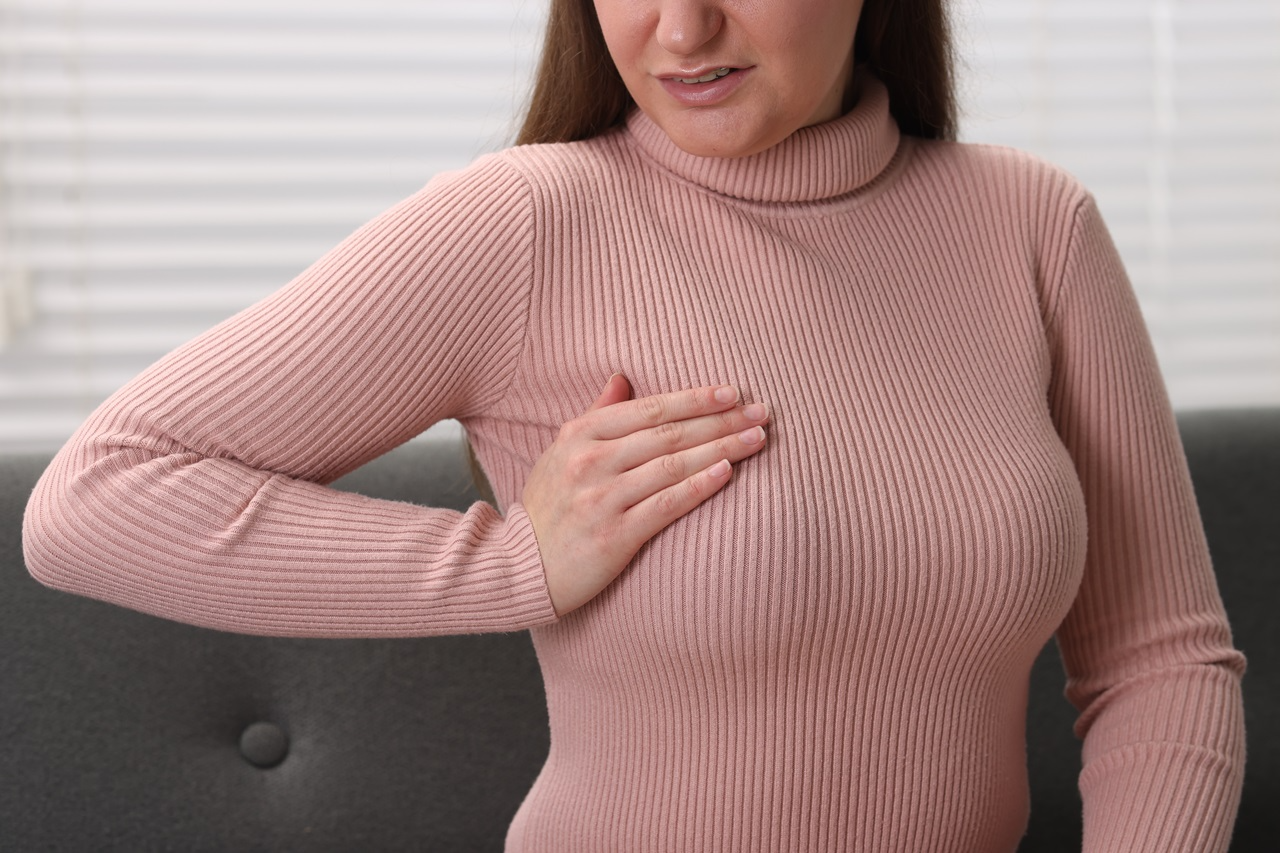
Breast augmentation can feel both exciting and uncertain, especially as you explore ways to increase breast size and enhance shape while planning for what happens after your procedure. Many patients at Dr. Mark Plastic Surgery arrive with questions about the discomfort and tightness they may feel in those first weeks.
Our surgeon and team care about helping you understand every step. Recovery is rarely one-size-fits-all, and the way your body responds matters. Keep reading to find reliable details on what causes post-operative tightness, how long it usually lasts, and what you can do if it feels uncomfortable.
Key Takeaways
What Causes Tightness After Breast Augmentation?
While many patients notice a sensation of tightness after surgery, this feeling is a natural response as your body adjusts to the implants.
Your breasts form new space for the devices and must heal from the surgery itself. The skin, underlying tissue, and sometimes the chest muscle all need time to adapt.
Post-Surgical Swelling
Swelling often peaks in the first 48 to 72 hours as fluid collects around the surgical site. This alone can make your chest feel firmer or stretched.
Your swelling improves over several days to weeks, which usually brings some relief.
Capsular Formation
When your body detects the implants, it naturally forms a thin liner of scar tissue around them. This capsule is your body’s way to protect itself from foreign materials.
Most patients do not notice this capsule, but sometimes it can feel tight, especially if the capsule thickens more than usual.
Muscle and Skin Adjustment
If your implants sit under the chest muscle, you will likely feel more tightness than if the devices rest on top. The muscle stretches and relaxes over time, which slowly eases discomfort.
Your skin and natural breast tissue also adjust as they accommodate the changes in shape and volume.
Timeline for Tightness: What to Expect Each Week
The feeling of tightness changes as you progress through your recovery. This process follows a general timeline, though every patient’s experience is unique.
The First Few Days After Surgery
Most patients report noticeable firmness in the first 3 to 5 days. Your breasts may also feel swollen, tender, and sensitive to touch.
You may need to keep your upper body movement limited during this stage to avoid extra discomfort.
One to Two Weeks Post-Op
By the end of week one, swelling and tightness usually begin to improve. Patients often describe the sensation as more of a pressure than pain at this point.
Incisions may feel itchy or mildly sore. Most people can return to light daily tasks, though it helps to avoid strenuous activities until cleared by our surgeon.
Three to Six Weeks After Surgery
Tightness tends to fade between weeks three and six. Many patients feel significant relief, notice their implants start to settle, and see their chest look more natural.
Breast tissue and skin continue to stretch to fit the new shape. Minor intermittent tightness may come and go.
Beyond Six Weeks
Some mild tightness can linger up to 12 weeks after surgery, especially after periods of rest or when you change clothing. By this stage, you should feel only minimal discomfort, and motion often returns to normal.
If you have concerns about ongoing tightness or new symptoms, contact Dr. Mark Plastic Surgery for advice.
Factors That Influence How Long Tightness Lasts
Not every recovery is identical, and several factors can speed up or slow down your progress. Here are the main reasons why some patients experience prolonged tightness after breast augmentation.
Implant Position
Where your surgeon places the implant strongly affects sensations after surgery.
Submuscular placement (under the muscle) usually leads to greater initial tightness, while patients with subglandular (over the muscle) placement may notice quicker relief.
Implant Size and Profile
Larger implants or those with a higher profile require the tissue to stretch further. This extra expansion increases the sense of tightness, which sometimes lasts longer than expected.
Selecting an implant that fits your frame can help reduce the intensity and duration of discomfort.
Individual Anatomy
Every patient’s tissue and skin elasticity varies. If your skin is naturally firm, adjusting to the added volume may take more time. Patients with softer, looser skin may notice the sensation fades sooner.
Age, hormones, and natural healing speed also matter.
Scar Tissue Development
Scar tissue forms as your body heals. A thin, soft capsule usually creates little sensation, but if the capsule thickens, tightness may last longer or become more noticeable.
In rare cases, the capsule hardens and creates a condition called capsular contracture, which may need further treatment.
Activity Level and Recovery Habits
Your healing process improves with proper rest, including key guidelines for sleeping after breast surgery. Overactivity or heavy lifting too early in recovery could worsen swelling and tightness.
Wearing a supportive post-surgical bra as recommended by our team can make a positive difference.
Most Common Symptoms Alongside Tightness
Patients sometimes feel unsure if their symptoms are normal. The following list outlines sensations that often appear alongside tightness during breast augmentation recovery.
Patients should look out for:
- Pressure or heaviness: This is very common in the first few days after surgery as your skin and muscles adapt to the new implants.
- Tenderness: Some sensitivity or soreness around the incision and the sides of the breasts usually occurs and improves with time.
- Mild swelling: Breast augmentation swelling peaks in the first 48 to 72 hours, then slowly improves over the next 2 weeks.
- Limited range of motion: Temporary stiffness in your upper arms or chest may make overhead reaching or stretching uncomfortable.
- Low-grade numbness: It is normal to notice reduced sensation or tingling around the breasts or nipples. Full sensation often returns over several months.
Most of these symptoms improve steadily with rest and proper recovery measures. Ongoing monitoring and check-ins with our practice help assure smooth healing.
When to Worry: Signs of Complications
You should understand how to tell the difference between normal recovery sensations and signs that require urgent attention. Our surgeon at Dr. Mark Plastic Surgery wants you to feel safe throughout your healing process.
Warning symptoms to watch for:
- Sudden sharp pain: If you feel intense or increasing pain that does not improve with medication, reach out quickly.
- Unusual swelling: Asymmetrical swelling or a new bulge may mean a fluid collection or hematoma.
- Redness or warmth: Spreading redness, hot skin, or streaking could be a sign of infection and needs prompt evaluation.
- Fever over 100.4°F (38°C): This temperature may signal infection.
- High firmness or distortion: If one implant feels much harder or changes shape, capsular contracture may be forming.
- Persistent numbness or color changes: Loss of sensation that persists past the first few weeks, or changes in skin color, should be reported.
If you have any of the above symptoms, do not wait. Call our Scottsdale office for a timely assessment. Most patients will recover without any issues, and prompt evaluation helps keep you on track.
Helpful Tips for Managing Tightness and Discomfort
Most patients can make their recovery period easier with a few simple strategies. The following approaches often provide relief and improve healing:
- Wear a supportive bra: Our surgeon recommends a soft, well-fitting post-op bra, which controls swelling and limits movement.
- Use prescribed medications: Pain medications and muscle relaxants prescribed by our doctor help keep you comfortable in the early days.
- Start gentle movement: Arm and shoulder exercises approved by our team can improve circulation and prevent stiffness.
- Practice implant massage: When approved (usually after 2 weeks), gentle massage can help the implants settle and soften the tissue.
- Apply ice packs: Cool compresses for 10 to 20 minutes at a time can reduce swelling if done several times a day after surgery.
- Keep hydrated: Drinking water and eating a balanced diet support the healing process.
- Rest with your chest elevated: Sleeping on your back with extra pillows beneath your shoulders can minimize swelling.
Remember, our staff can help personalize your aftercare plan. Do not hesitate to ask for adjustments as you heal.
Long-Term Sensations Versus Complications
Knowing the difference between lingering sensations and a true complication can lift stress and improve your satisfaction with results.
Persistent tightness does not always mean a problem. Some patients describe ongoing mild pressure up to 3 months after surgery, then wake up one day to discover their breasts feel completely natural.
If pain or hardness continues past 12 weeks or your breasts suddenly look or feel different, it helps to contact Dr. Mark Plastic Surgery for a personalized recommendation.
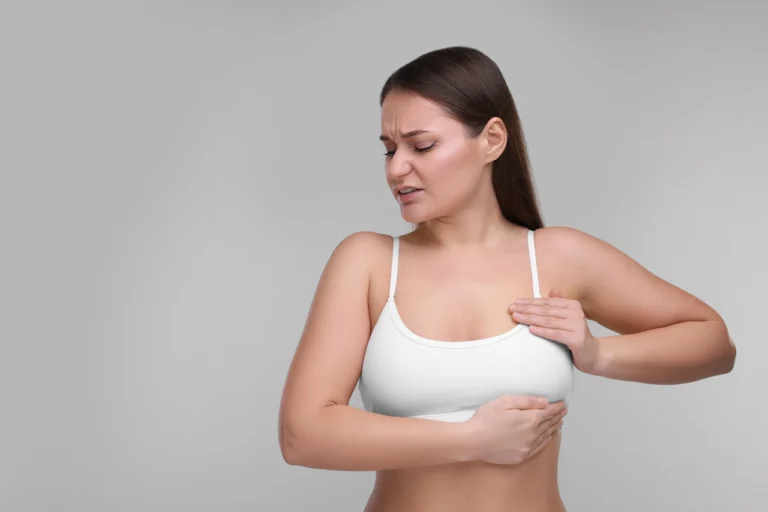
Frequently Asked Questions About Tightness After Breast Augmentation
With so many emotions and concerns after surgery, it helps to address some of the questions our practice hears the most often.
A Smooth Recovery and Beautiful Outcome
Healing from breast augmentation is a journey that brings questions and new sensations, but most tightness improves within 6 to 8 weeks. With personal attention and detailed aftercare, our Scottsdale team helps you move through each stage confidently.
Everyone heals at a unique pace. You may notice moments of pressure or firmness that feel worrisome, but these symptoms usually point to normal tissue stretching and adjustment. The support you receive from our surgeon ensures a quick response to any unusual signs, which protects both your comfort and your results.
If you feel uncertain about the changes in your body or just want reassurance, reach out to Dr. Mark Plastic Surgery in Scottsdale. Schedule your consultation today so our team can answer your questions and help you enjoy safe, satisfying breast augmentation results.