
Makeup After Eyelid Surgery: Safe Timeline
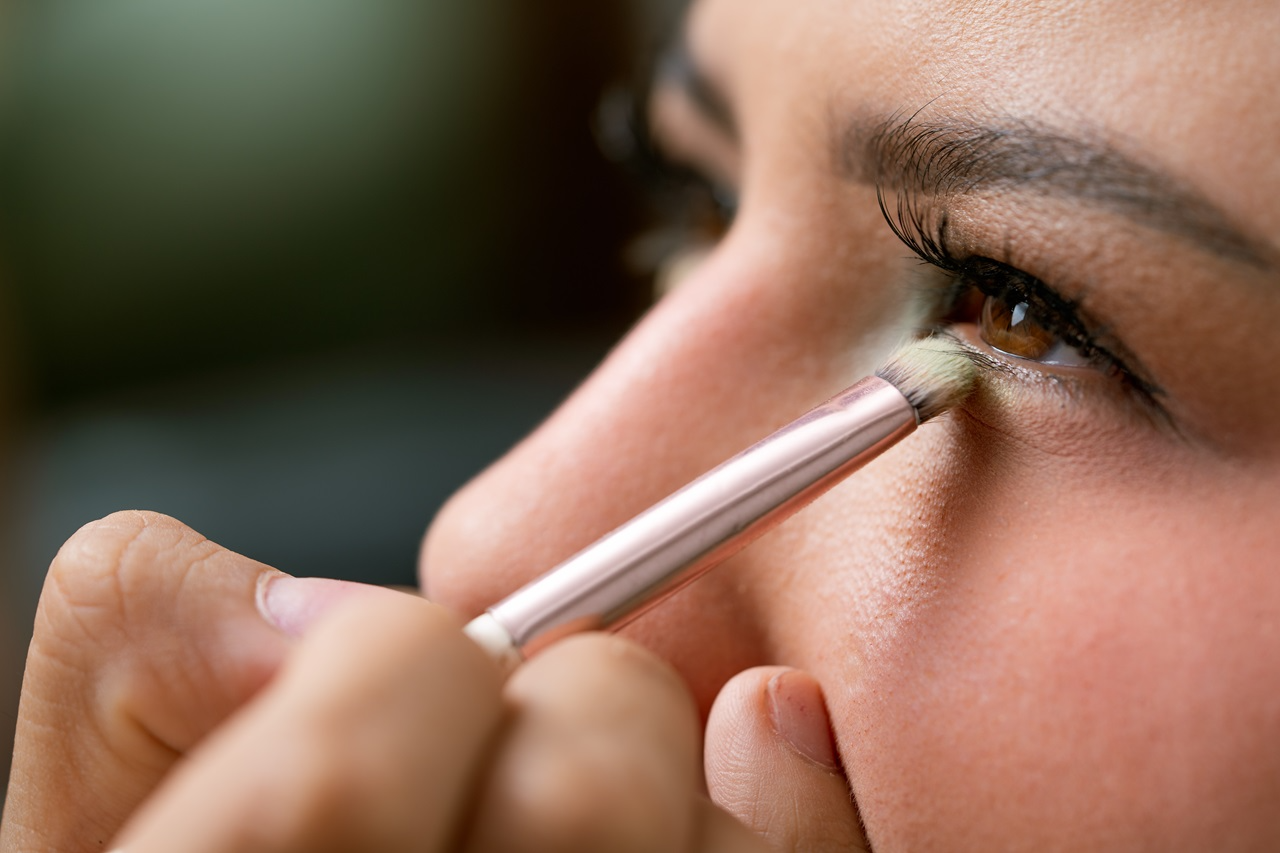
Patients often look forward to enjoying a more refreshed appearance after eyelid surgery, but many feel unsure about when and how to wear makeup during recovery. At Dr. Mark Plastic Surgery, our team knows how important it is for you to feel confident at every stage of healing.
Whether you want to highlight your eyes, cover temporary redness, or get back to your daily beauty routine, you will need to time your first makeup application carefully. This article provides guidance and tips that will make the entire process safer and more enjoyable. Our team will guide you through the best practices and common pitfalls so you can look and feel your best after eyelid surgery.
Key Takeaways
What to Expect After Eyelid Surgery
Recovery after eyelid surgery at Dr. Mark Plastic Surgery usually moves through distinct phases, each with unique needs for skin care and protection. Swelling and bruising often peak during the first three to four days before gradually improving. You may also see small stitches or dressings near the surgical site, which require special attention.
Immediate Post-Surgery Phase
In the initial days after surgery, most patients feel mild discomfort or tightness. Our team usually recommends cold compresses and prescription ointments to minimize swelling. During this phase, you must avoid placing any products or makeup near your eyelids.
Your skin may feel dry or sensitive, which is normal as the area heals. Avoid rubbing or touching your eyelids as much as possible.
Healing Progress Over the First Two Weeks
During the first 7 days, swelling and bruising usually decrease, though traces may remain. Our surgeon typically removes sutures within 5 to 7 days, depending on the procedure. Scabs, faint redness, and mild irritation may develop as your incisions heal.
The skin in this area remains delicate. Our team recommends keeping the area clean and free from any product until the 14-day mark unless we advise otherwise.
When It Is Safe to Resume Makeup
Choosing the right time to wear eye makeup after eyelid surgery will set you up for the best healing results. This decision depends on several factors, so there is no universal answer for everyone.
The General Timeframe
Most blepharoplasty patients at our Scottsdale office can return to regular eye makeup no earlier than 14 days after surgery. Some patients with more complex procedures or slow healing may need to wait up to 21 days.
If you notice redness, swelling, scabbing, or open areas at day 14, you must wait longer before applying makeup products. A post-operative visit with our surgeon can confirm proper healing and give you peace of mind.
The Risks of Early Makeup Use
Placing makeup over fresh incisions or sensitive skin can introduce bacteria, chemicals, and particles into the area. This may slow healing, cause irritation, or raise the risk of infection.
Early makeup use also increases your chance of allergic reactions or the development of tiny bumps (milia) along the incision line. The best way to protect your long-term results is to wait until our doctor confirms that your skin has healed well enough for cosmetics.
Types of Makeup and Ingredients to Use After Surgery
Your choice of makeup can have a big impact on how your skin feels after eyelid surgery. Not every product suits delicate post-surgical skin, so you want to choose wisely as you ease back into your routine.
Product Selection Guidelines
Focus on gentle, non-irritating products formulated for sensitive skin. Fragrance-free and hypoallergenic makeup is much less likely to trigger redness or itching.
Cream and liquid formulas, rather than powders, tend to sit more gently on healing skin. Powders can dry out the area or even get into tiny wounds, which may slow healing.
You should also use clean, new makeup applicators and brushes. Old products or dirty tools can carry bacteria that increase the risk of infection during this sensitive time.
Ingredients to Avoid
Some common makeup ingredients can cause issues on healing eyelids. The following substances should be avoided for at least 21 days after surgery:
- Alcohol-based formulas (which can dry or sting the skin)
- Retinoids, exfoliating acids, or vitamin C in eye makeup
- Parabens, sulfates, or artificial dyes
- Glitter, shimmer, and metallic pigments
Our Scottsdale team recommends patch testing any new product on your arm before using it near your eyes for the first time after surgery. This will lower your risk of an unexpected allergic reaction.

The Step-by-Step Guide to Makeup Application After Eyelid Surgery
Once our doctor gives clearance, you can start with a gentle routine to protect your results and help your eyes look their best. Follow the steps below for safe and smooth makeup use after eyelid surgery.
Steps to Follow for Your First Makeup Application
The safe return to makeup after eyelid surgery depends on good hygiene and technique. Here is a clear plan to help you apply makeup with confidence:
- Clean Hands: Wash your hands thoroughly before touching your face or applying any product. This will help keep bacteria away from sensitive skin.
- Fresh Products: Use only new or freshly opened makeup items and applicators to avoid introducing bacteria. Choose hypoallergenic or fragrance-free products.
- Light Moisturizer: If your skin feels dry, apply a thin layer of an unscented, gentle moisturizer approved by our surgeon before makeup. This will help reduce flaking or tightness.
- Gentle Application: Apply makeup with clean brushes or disposable applicators using very light pressure. Avoid tugging, pulling, or stretching the skin near the surgical site.
- Minimal Coverage: Start with only a small amount of product because too much can clog pores or irritate your healing skin.
- Skip the Lash Line: Avoid applying eyeliner or mascara close to the lash line until after 21 days. This area needs more time to heal and is especially prone to irritation.
- Spot Concealing: Use a gentle concealer to cover any lingering redness or bruising. Dab rather than rub, and use only as much as you need.
- End with a Check: Examine your eyes in good lighting and stop if you notice redness, discomfort, or itching. Remove the product immediately if this happens.
Following these steps will give you the best results as you return to your daily makeup routine. Do not forget to remove all makeup carefully before sleep each night for ongoing skin health.
Mistakes and Risks to Avoid When Using Makeup After Surgery
Awareness of common missteps makes your healing process safer and lets you enjoy your new look more quickly. Our team at Dr. Mark Plastic Surgery wants every patient to feel confident about avoiding problems.
Common Pitfalls and How to Prevent Them
Several preventable issues can set your recovery back or create frustration. Pay special attention to these risks, and you will lower your chances of setbacks:
- Using Old Makeup: Bacteria may be present in aged or opened products, so always use new items directly after surgery.
- Rushing the Timeline: Applying makeup too early often causes irritation or infection. Always wait until our surgeon gives the official go-ahead.
- Rough Removal: Scrubbing or rubbing at your eyelids will increase swelling, redness, or delay healing. Use gentle, oil-free removers and soft wipes.
- Heavy Layers of Concealer or Foundation: Caking on multiple products can suffocate healing skin and accentuate flakiness or scarring.
- Forgetting Sun Protection: The delicate eyelid area is highly prone to sunburn. You must use sunglasses and a broad-brimmed hat for several weeks, as sunscreen can irritate incision sites.
- Skipping a Patch Test: Failing to test a product first can result in allergic reactions right at the surgical site. Take the time to patch test and avoid this risk.
By being aware of these common mistakes, you can keep your healing on track and protect your long-term results.
Safely Removing Makeup from Healed Eyelids
How you remove your makeup matters just as much as how you apply it, especially soon after surgery. Good cleansing habits keep your eyelids clean, healthy, and free from clogged pores or infection.
Step-by-Step Removal Tips
Start by choosing a fragrance-free, non-foaming cleanser designed for sensitive skin. Avoid makeup wipes with alcohol or strong chemicals, which can dry or irritate the area.
Use a soft cotton pad soaked in the cleanser to gently sweep away makeup without pressing or dragging. Work outward from the center of the eyelid, taking special care near the incision line.
After removing all visible makeup, rinse gently with lukewarm water and pat dry with a clean, soft towel. Apply any surgeon-recommended ointment or moisturizer if needed.
Never go to bed without removing your makeup. This nightly habit protects your skin as you finish healing and maintains your results.
Warning Signs and When to Call Our Surgeon
Most patients recover from eyelid surgery without serious side effects, though it is important to know what signals a problem. Our team at Dr. Mark Plastic Surgery always recommends calling if you feel unsure.
Symptoms That Need Prompt Attention
Monitor your eyelids closely as you ease back into makeup. If you notice any of the following, our team advises stopping all products and contacting our Scottsdale office as soon as possible:
- Redness Spread: Worsening or spreading redness that does not fade after removing makeup.
- Significant Swelling: Swelling that appears suddenly, increases unevenly, or comes with pain or throbbing.
- Pus or Oozing: Yellow discharge or fluid at the incision site, which can signal an infection.
- Persistent Pain: Pain that worsens after using makeup.
- Increased Warmth or Fever: A hot sensation or fever along with eyelid discomfort.
You should treat these warning signs seriously to protect your eyesight, health, and cosmetic results.
Tips for a Confident and Beautiful Recovery
A few extra measures can help you look and feel your best as you transition back to daily makeup use. While these might feel small, they can greatly improve your healing experience:
- Focus on your skin care routine, using only gentle, non-irritating cleansers and moisturizers until our doctor says it is safe to add makeup.
- Wear sunglasses and protective hats when outdoors, because eyelid skin remains sensitive to sunlight for several weeks after surgery.
- Prioritize self-care and rest, getting enough sleep, drinking water, and following all post-surgical instructions from our team.
- Schedule and attend all follow-up appointments with our Scottsdale surgeon to ensure smooth healing and a safe return to your preferred beauty routine.
You can enjoy natural-looking results and greater comfort as you return to makeup, provided you follow these steps.
Frequently Asked Questions about Makeup After Eyelid Surgery
Patients at Dr. Mark Plastic Surgery often have questions about their return to makeup. The following answers address the most common concerns and points of confusion.
Your Next Steps Toward Confident Beauty After Eyelid Surgery
Every step you take after eyelid surgery has an effect on your comfort, healing, and appearance, so a careful return to makeup truly matters. By choosing gentle products, waiting until you have healed, and following guidance from Dr. Mark Plastic Surgery, you give your eyelids the protection they need during recovery.
Your patience and attention will pay off as you notice clearer, smoother, and more beautiful skin in the weeks after your surgery. Our entire team remains here for you during each part of your healing process.
If you ever have concerns about your timeline or the right makeup for you, reach out to schedule a personalized follow-up at Dr. Mark Plastic Surgery. Our Scottsdale team is committed to helping you look and feel your best, every step of the way.