Working Out After Rhinoplasty

At Dr. Mark Plastic Surgery, many patients feel excited about their new nose and eager to resume their old workout routines. Getting back to exercise safely after rhinoplasty requires careful planning, patience, and guidance from our surgical team.
Rushing back to physical activity too soon can increase swelling, delay healing, or even create complications that impact your final results. Our team in Scottsdale wants you to feel both healthy and confident, so we’ll guide you step by step on when and how to return to different types of workouts.
Key Takeaways
The Importance of Exercise Restrictions After Rhinoplasty
Your nose contains delicate tissues and cartilage that need time to heal after nose reshaping. Exercise raises your heart rate and blood pressure, which can cause internal bleeding, increased swelling, or even injury to the healing nasal structures.
With the right restrictions, you protect both your comfort and your final results. Our doctor may set specific limits for each patient, depending on health history, nose structure, and the scope of surgery.
After rhinoplasty, the blood vessels in your nose are especially sensitive. Sudden movements or strenuous activities can disrupt repairs made during surgery, so even if you feel well, you should wait on more vigorous forms of exercise.
The Week-by-Week Timeline for Returning to Exercise
Many people wonder when it is safe to get back into their regular workouts following surgery. It helps to understand the typical timeline for most rhinoplasty patients at Dr. Mark Plastic Surgery.
The First 48 Hours
Rest is the highest priority during the first two days after surgery. We encourage patients to sit up with their head elevated as much as possible and take short, slow walks around the house to promote healthy circulation.
Do not lift heavy items or do any activity that raises your heart rate during these first two days, since any extra pressure could increase swelling or bruise the nose.
Week 1: Gentle Movement
By the third day, walking becomes very helpful. Choose flat, safe surfaces and move slowly for 10 to 15 minutes several times a day. This improves blood flow without stressing your nose or raising your blood pressure.
Remember to avoid any bending, stooping, lifting, or fast motions. These could still strain healing tissues at this stage.
Week 2: Low-Intensity Activity
Light activity can help you regain some energy during the second week. Short walks outside are fine, as long as you avoid direct sun exposure or the risk of bumping your nose.
Do not do any jogging, jumping, or activities that require sudden movement. The nose remains vulnerable, and vigorous exercise may still lead to problems.
Weeks 3–4: Gradual Increase
By the end of the third week, our team may allow very light weightlifting for the lower body. Avoid any chest or upper body work that might strain the face or involve heavy breathing.
You may also be able to try gentle stretching, yoga without inversions, or basic bodyweight movements. If you experience swelling or pain, this means the activity is too intense for your current stage.
Week 6: Resuming Most Activities
Six weeks after rhinoplasty, nasal bones and cartilage have usually healed enough to allow a return to most exercise routines. At this stage, our surgeon often clears you for cardio, running, swimming, and heavier lifting.
You should still take care with contact sports or activities that carry any risk of injury to the nose, as those may require a longer delay.
Types of Exercise and How to Approach Each One
After rhinoplasty, different types of exercise require different safety measures. It helps to break them down with specific recommendations from our Scottsdale surgical team.
Walking
Walking is the first and safest activity to reintroduce after surgery. Keep your pace slow, your head elevated, and your environment well-lit and clear of obstacles.
Short walk sessions a few times per day can help prevent blood clots and improve energy. Always stop if you feel lightheaded, tired, or notice increased swelling.
Weightlifting
Weight training needs more precaution than walking because lifting can raise your blood pressure quickly. During the first three weeks, avoid all weight training, especially for the upper body.
From the third week on, light weights for the legs may be fine, but avoid straining or holding your breath. After six weeks, most patients may gradually return to upper body strength work, starting with low weights and fewer repetitions.
Our surgical team will check your healing during each visit and advise when heavy lifting is safe again for your unique case.
Running and Cardio
Running, cycling, fast walking, and high-intensity interval training all increase your heart rate and can shake your healing nose. Do not run or perform high-impact cardio until at least six weeks have passed.
Return slowly, beginning with brisk walking or slow cycling. Wait to increase your speed or effort until you feel completely comfortable and our doctor has cleared you.
Yoga, Pilates, and Stretching
Low-impact activities such as yoga and Pilates offer many benefits but can still cause problems if they involve bending, inversion poses, or pressure on the face. Our team recommends gentle, upright poses and stretches only until after week six, when your nose can tolerate more movement.
Sports and Contact Activities
Contact sports, ball sports, or any activity with a risk of impact should be avoided for at least three months. Even mild bumps to the nose could damage the surgical results or require revision surgery.
When you return to these activities, use protective gear when possible, such as facial masks or guards, to shield your nose during play.

Signs That You Are Healing Well (or Not) After Surgery
It is important to know what to expect regarding your overall rhinoplasty healing time, so you can spot potential problems early during recovery.
Normal Healing Signs
- Mild Swelling: Slight puffiness in your nose and cheeks is expected, peaking at days two through four, then fading over several weeks.
- Mild Bruising: Black-and-blue marks around your nose or under your eyes usually fade by week two.
- Some Congestion: Your nose may feel blocked or stuffy, but this usually resolves as swelling goes down.
- Itching: Some people notice mild itchiness near the incision area, which is normal during the healing process.
Warning Signs: When to Stop Exercising and Call Our Office
- Persistent Bleeding: Blood from the nostrils after exercise is not normal and means you should stop activity and call us right away.
- Sharp or Increasing Pain: Discomfort that grows worse with activity may signal strain or damage to healing tissues.
- Sudden Swelling: A rapid increase in swelling during or after activity may mean that blood vessels have not fully healed.
- Fever or Redness: Any sign of infection, such as warmth, spreading redness, or fever, needs prompt medical attention.
When in doubt, pause your activity and reach out to our practice in Scottsdale. Our team will explain exactly what to do based on your symptoms and stage of healing.
Steps to Protect Your Nose During Recovery Workouts
While returning to activity can feel rewarding, you still need to prioritize safety. We share these protective measures to help you stay active without risking your surgical results:
The Best Ways to Stay Safe
- Start Slow: Always increase your activity level gradually to give your nose time to adjust.
- Hydrate Well: Drink plenty of water, as healing tissues need moisture to recover well.
- Elevate Your Head: Keep your head higher than your heart when exercising, which reduces swelling and encourages drainage.
- Wear Sun Protection: Your healing skin can burn easily, so wear a hat, sunglasses, and sunscreen if you go outside.
- Avoid Crowds: Stay away from busy gyms or contact sports where accidental bumps to your nose are likely.
- Check Your Environment: Make sure your home or gym space is free from clutter, cords, or other trip hazards to reduce fall risk.
- Watch for Symptoms: Monitor for unwanted signs such as bleeding, pain, or increased swelling, and decrease activity right away if these appear.
Taking these steps each day after rhinoplasty improves your comfort and makes your recovery much smoother.
Personal Factors That Affect Exercise After Rhinoplasty
Every nose and every patient heals at its own pace. Our surgeon adjusts your exercise plan using several personal factors.
Your Physical Health and Fitness Level
A patient who was athletic before surgery may recover a bit more quickly, but it is still important to wait for surgeon clearance. Pre-existing health conditions, like high blood pressure or clotting problems, can mean you need a longer delay before intense activity.
The Surgical Technique Used
People who have complex reconstruction or work on their nasal bones will often need a slightly longer recovery compared to bridge or tip refinement alone. Our surgeon will explain exactly what type of work was done so you understand your own timeline for each type of exercise.
Age and Lifestyle
Older patients or those who smoke may notice that swelling or bruising lasts longer, which can slow down their return to exercise. Taking good care of your overall health during recovery always translates into a faster and smoother healing process.
Questions to Ask at Your Postoperative Appointments
Follow-up visits with our team are the best time to address concerns about exercise and recovery. It helps to arrive prepared, so you know exactly when to resume or adjust your favorite activities.
Helpful Questions to Bring
- When can I start gentle walking outside the house?
- How do I know if my nasal bones have fully healed?
- What signs should make me stop working out and call your office?
- Which activities do I need to avoid, and for how long?
- Can I wear glasses or sunglasses during my walks after surgery?
- How often should I increase the intensity of my workouts?
Our surgeon will answer these during your postoperative visits in Scottsdale and provide written instructions if you request them. Open communication helps set clear, safe expectations for the entire recovery process.
Tips for a Healthy Return to Fitness and Daily Routines
A successful rhinoplasty recovery depends on what you do both inside and outside of your workouts. We want our patients to not only look great but also feel strong and confident in resuming their routines.
Smart Habits to Support Healing
- Wear comfortable, loose clothing during activity, so nothing puts pressure on your face or nose.
- Avoid saunas, steam rooms, or swimming pools until we have given you the green light, since humidity and bacteria can slow healing.
- Seek support for rest and daily chores from friends or family so you do not risk lifting heavy items before you are ready.
- Use nasal sprays, ointments, or cold compresses only as directed by our surgical team, never without approval.
These healthy habits make it much easier to get back to the things you love after rhinoplasty and help you avoid setbacks.
The Emotional Side of Getting Back Into Exercise
Returning to exercise after surgery does not just challenge the body. It also affects your mindset and emotions. Some patients feel nervous or impatient about waiting to resume their full routines.
It helps to:
- Set realistic goals for your return, based on your own healing timeline.
- Recognize small achievements, such as taking longer walks each day or lifting slightly more weight as the weeks progress.
- Reach out for support from our team or your friends if you feel uncertain, frustrated, or have questions.
Managing both the recovery and the mental side of healing will set you up for long-term success and satisfaction with your rhinoplasty outcome.
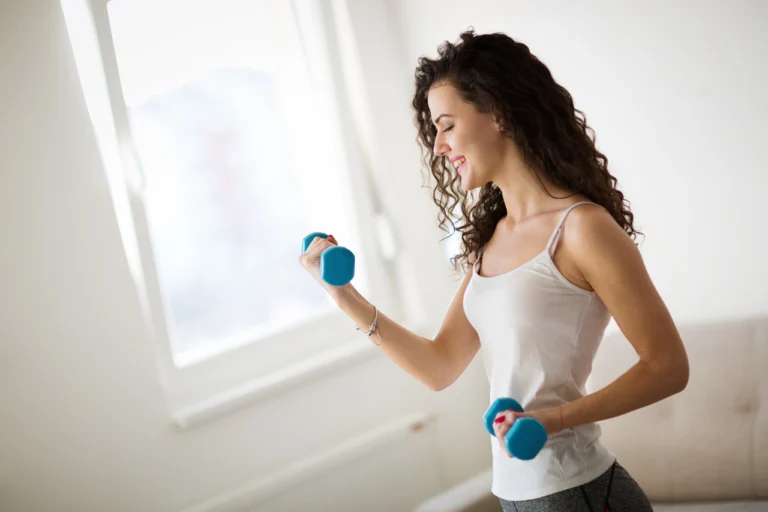
Safe Exercise After Rhinoplasty: A Pathway to Amazing Results
Getting back to your workout routine after rhinoplasty can feel both rewarding and tricky. At Dr. Mark Plastic Surgery, we guide patients in Scottsdale and beyond through every recovery milestone, making it easy to know when to walk, lift, and run again.
By following these timelines, protective measures, and listening closely to your body, you give your nose time to heal and protect the investment you have made in your appearance. The first six weeks require the most patience, but the payoff comes with the confidence of knowing your results will last.
If you have questions about your own recovery or want personalized guidance, contact our team at Dr. Mark Plastic Surgery. Our commitment is to support you every step of the way toward a safe, strong, and healthy return to the activities you love.